
The Tragic Death of Michael Jackson
What Really Happened?

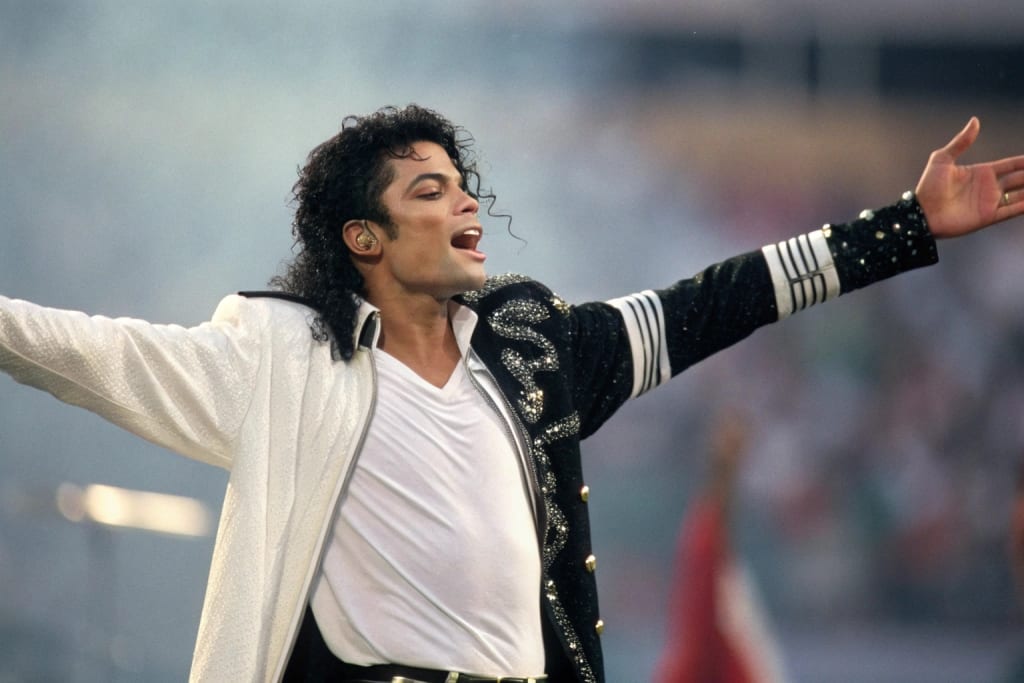
Michael Jackson, the "King of Pop" to the whole world, was a pivotal cultural symbol of the 20th century. Having worked in the show business for over four decades, Jackson left an indelible mark on the entertainment industry through his groundbreaking soundtracks, spectacular dance moves, and signature fashion. But on June 25, 2009, the world was shocked by Michael Jackson's sudden death at the age of 50. The controversy and uncertainty of his death spawned far-reaching speculations, investigations, and eventually a criminal trial. This article gets to the real reasons behind Michael Jackson's death—medically, legally, and personally.
The Final Hours

Emergency personnel was called to Jackson's rented home in the Holmby Hills area of Los Angeles on June 25, 2009. Dr. Conrad Murray, who was Michael Jackson's physician, had discovered him unresponsive and not breathing. Paramedics were summoned and attempted to revive Jackson, but he was pronounced dead at 2:26 p.m. at the Ronald Reagan UCLA Medical Center.
Within a few minutes, there were growing suspicions. Jackson had been practicing zealously for his "This Is It" comeback tour, which would be produced in London. Many fans and insiders wondered if the stress of the tour, coupled with Jackson's long-battled health issues, could have caused his death.
The Medical Cause of Death

A later autopsy determined the official cause of death to be acute propofol and benzodiazepine intoxication, leading to cardiac arrest. Propofol is a strong anesthetic that is typically used within a hospital environment during surgery. It's not a medication that needs to be administered outside of a hospital environment, let alone in the walls of a bedroom that isn't being monitored.
The coroner's report showed that Jackson had toxic levels of propofol in his system with other sedatives, including lorazepam and midazolam. These drugs combined reduced his central nervous system to the extent that he died because his breathing failed. His death was certified as a homicide by the careless use of the aforementioned drugs by Dr. Murray.
The Role of Dr. Conrad Murray

Dr. Conrad Murray, who Jackson had hired at $150,000 per month to look after him during the tour, became the central figure of the inquiry. Dr. Murray had been giving nightly propofol injections to Jackson for over two months to help him sleep—something no wise doctor should ever do.
In his 2011 trial, prosecutors tagged a vision of gross negligence and medical malpractice. Dr. Murray was accused of failing to monitor Jackson, waiting until the 911 call was made, and having inadequate equipment to treat a medical emergency. The defence claimed that Jackson had given himself an extra dose of propofal, but this explanation did not find favor with the jury.
In November 2011, Dr. Murray was found guilty of involuntary manslaughter and sentenced to four years in prison. He spent about two years and released in 2013.
Jackson's Battles with Insomnia and Pain

In order to view the root causes of Jackson's death, it is important to look at his long battle with insomnia and chronic pain. Jackson had suffered a series of physical traumas throughout his life, such as burn injuries from an accident during a 1984 Pepsi commercial and stress-related diseases from years of performing. He was also reported to have had a chronically disturbed sleeping pattern and relied on drugs to sleep.
People close to Jackson, such as former employees and relatives, had already lodged grievances regarding his abuse of prescription medications. Others claim that Jackson had been taking painkillers and sedatives since the 1990s. His addiction became more severe during the years leading up to his death, particularly in the face of the "This Is It" tour.
The Cost of Fame

Michael Jackson's death also revealed the sleazy dark side of fame. Although one of the most successful performers of all time, Jackson lived a highly isolated and criticized existence. Court wars, child abuse charges, and endless media criticism eroded his physical and mental health. His frantic attempt to redeem himself with the comeback tour could have compelled him to extreme measures to manage his exhaustion and stress.
Moreover, the people around Jackson—managers, physicians, and assistants—typically enabled his behavior rather than confronting him. His celebrity and wealth shielded him from typical checks and balances, so it was a risky environment where unsafe medical practices were not checked.
Conclusion

Michael Jackson's death was not due to one bad decision, but an accumulation of years of stress, sickness, and addiction to prescription medication. Although Dr. Conrad Murray was culpable legally, the larger story is an untangled web of personal demons, professional pressures, and systemic failures in the healthcare and entertainment industries.
Jackson's death is a sad reminder of the dangers of fame, coupled with physical and mental illness, leading to cataclysmic results. A dozen years later, his art remains unblemished, but his death continues to spur crucial discussions regarding celebrity, medicine, and responsibility.
About the Creator
Logan Bennett
Passionate writer sharing stories, insights, and ideas that inform, inspire, and connect. Exploring creativity, lifestyle, and life’s real moments—one article at a time.
Keep reading
More stories from Logan Bennett and writers in Humans and other communities.
Michael Jackson
Born: August 29, 1958 Died: June 25, 2009 Michael Jackson wasn’t just a performer—he was a phenomenon. A global icon whose music, dance, and image changed the landscape of pop culture forever. From his humble beginnings in Gary, Indiana, to becoming one of the most recognized and influential artists in history, Michael's life was one of both dazzling triumph and haunting complexity.
By Logan Bennett10 months ago in Humans


Comments (1)
That was a good informative read, nicely edited too. MJ was such a phenomenon, it's great to be reminded of the pitfalls he suffered due to fame from an early age.