
The Tradition I Didn’t Understand Until It Was Almost Gone
I used to think it was just habit—until I realized it was love disguised as routine

Every Sunday morning, my grandmother did the same thing.
She woke up before the sun, long before anyone else in the house stirred. She washed her face, wrapped a shawl around her shoulders, and stood quietly in the kitchen as water boiled on the stove.
When I was younger, I never asked why.
It was just something she did.
Like the ticking of the clock or the way the house smelled faintly of bread and soap.
She brewed tea the old way—loose leaves, no measurements, no timer. She said you could feel when it was ready. I didn’t believe her, but I watched anyway, sitting at the small kitchen table, legs swinging, half-asleep.
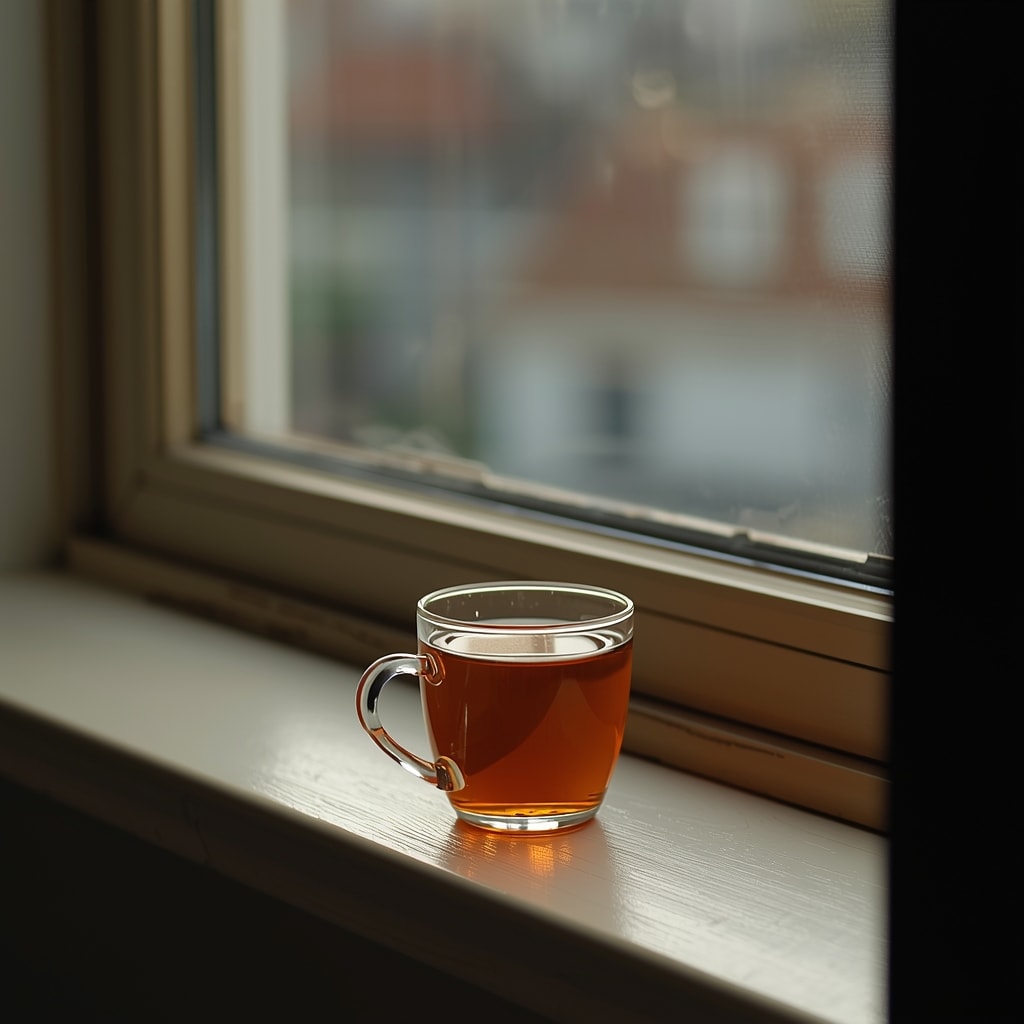
She always poured the first cup and placed it by the window.
“Who is that for?” I asked once.
She smiled but didn’t answer.
As I grew older, Sundays became busier. Homework, friends, plans. I stopped sitting at the table. I stopped watching. The tea still appeared, the cup still sat by the window—but it faded into the background of my life.
I thought tradition was something loud.
Festivals. Celebrations. Big moments people photographed.
I didn’t realize it could be quiet.
Years passed.
My grandmother grew slower. Her steps softer. Her hands shakier. But Sundays remained unchanged. Tea before sunrise. One cup by the window.
I asked again, years later.
“Why do you always put a cup there?”
This time, she answered.
“For your grandfather.”
I felt embarrassed—not for her, but for myself. I had lived in that house my whole life and never truly seen her.
“He passed away years ago,” I said gently, not sure why I needed to say it out loud.
“I know,” she replied. “But this is how I remember him.”
She explained that when they were young, before work and children and responsibility, they used to sit together by that same window every Sunday morning. No talking. Just tea and light.
“When you share silence with someone,” she said, “it stays with you longer than words.”
After that conversation, Sundays felt different.
I started waking up earlier. Sitting with her again. Watching the steam rise from the cup that was never touched.
One Sunday, she forgot to place the cup.
I noticed immediately.
She noticed my glance and laughed softly. “Ah,” she said. “Old age.”
But the following Sunday, it happened again.
And again.
Then one morning, she didn’t wake up early at all.
The kitchen was quiet. The kettle cold. The window empty.
Something inside me tightened.
I made the tea myself that day. Awkwardly. Wrong proportions. Too strong. Too bitter.
But I poured the first cup and placed it by the window.
It felt strange. Almost silly.
But also… right.
After she passed away, Sundays became the hardest day of the week. Not because of grief exactly—but because of absence.
The house no longer smelled like tea leaves in the morning. No shawl draped over a chair. No quiet movement before dawn.
Weeks later, I moved out.
In my new apartment, Sunday mornings were loud with traffic and neighbors and alarms. I slept in. I rushed. I forgot.
Until one morning, without planning it, I woke early.
I made tea.
And without thinking, I poured two cups.
One for me.
One for the window.
I finally understood.
Tradition isn’t about repeating the past exactly as it was.
It’s about carrying forward what mattered.
It’s memory with hands.
Love without witnesses.
Now, every Sunday, I sit quietly with my tea. Sometimes I think of my grandmother. Sometimes of my grandfather. Sometimes of nothing at all.
And in that stillness, I feel connected—to where I come from, and to who I am becoming.
I used to think tradition was something you inherited.
Now I know it’s something you choose to continue.
About the Creator
Keep reading
More stories from TariqShinwari and writers in Humans and other communities.
When the Shelter Closes
Across the street from my house, a man slept under a tree, his dog by his side. My first, naive thought: he must be traveling through. But he kept coming back, often sleeping there during the day. Then it hit me—that person might not have a home.
By Bride of Sound7 days ago in Humans
Friendship Fossilised
Introduction This has been inspired by the fact that I often include old stories of mine, to expand or enhance new stories, and also to make sure that I am not repeating myself too much. It is OK for some repetition to give emphasis to some points, but I don't want a virtual repeat of any old stories.
By Mike Singleton 💜 Mikeydred 7 days ago in Humans
Tatt~Master
— Assembly Line Tatt Machine ~ Impressions to Impress — As I begin to understand more about the Tattoo Phenomenon. I've written silly, yet verbatim, dating site anecdotes in 'Frazzled.' So let me ask you: Would you be More attracted to someone slathered with tattoos, or Less?
By Jay Kantor4 days ago in Humor


Comments
There are no comments for this story
Be the first to respond and start the conversation.