
The Titanic Tragedy
Unveiling the Enigmatic Iceberg and its Fateful Encounter
Introduction
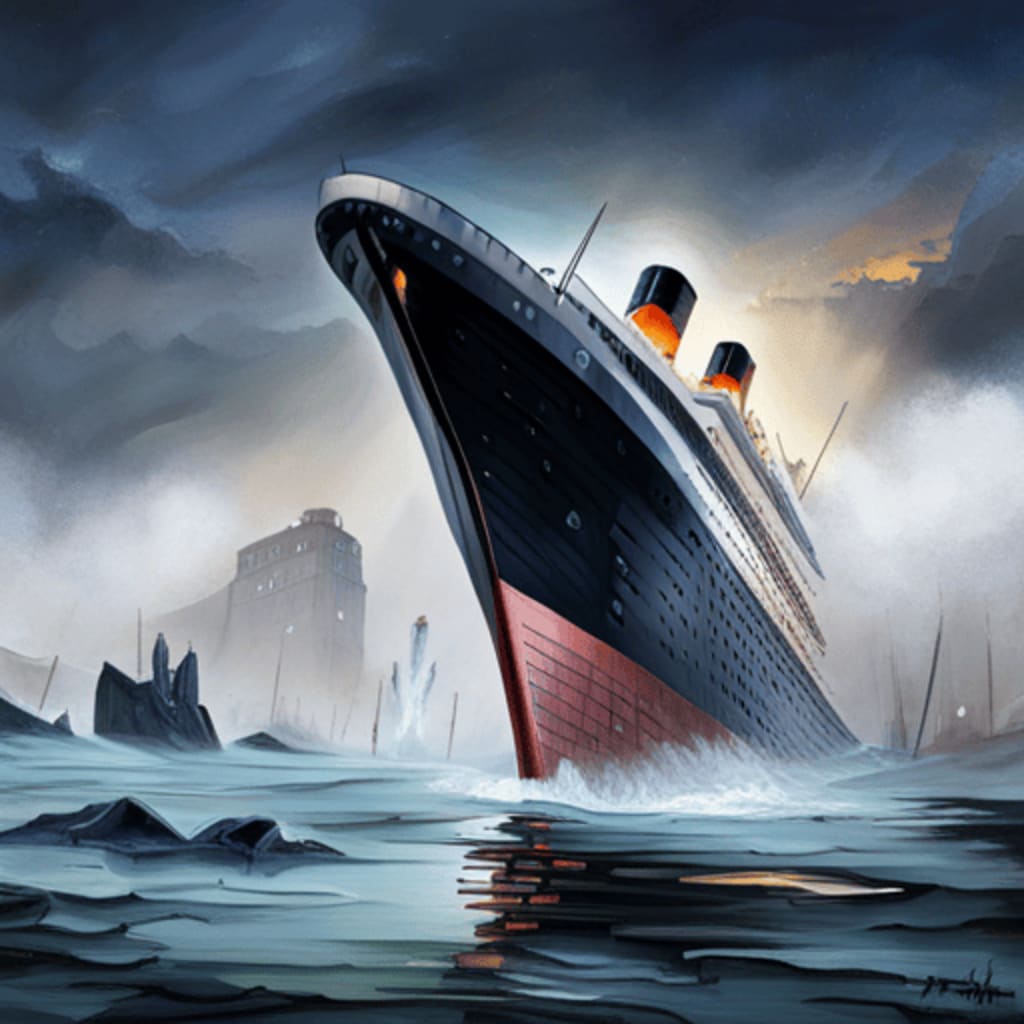
The year was 1912, and the world was witness to one of the most tragic maritime disasters in history - the sinking of the RMS Titanic. The unsinkable luxury liner collided with an iceberg during its maiden voyage and sank, claiming the lives of over 1,500 passengers and crew members. While much has been documented about the ill-fated ship and its passengers, little is known about the iceberg that sealed its fate. This narrative seeks to delve into the enigmatic journey of the iceberg, exploring its origin, size, and the events leading to the fateful collision with the Titanic.
Chapter 1: The Birth of an Iceberg
In the vast expanse of Southwest Greenland, a giant chunk of ice, born from snow that fell over 100,000 years ago when mammoths roamed the Earth, broke off from a glacier. This iceberg, named "The Traveler," embarked on a remarkable journey, defying the odds of surviving the treacherous waters to reach the Atlantic Ocean. The chapter explores the formation of icebergs, their unique characteristics, and the rarity of their journey from Greenland to the Atlantic.
Chapter 2: The Titanic Sets Sail
As the Titanic, the largest and most luxurious ship of its time, sets sail on its maiden voyage, it carries the hopes and dreams of its passengers and crew. The chapter delves into the grandeur of the Titanic, its state-of-the-art facilities, and the belief in its unsinkable nature. It also introduces the crew's lookout team stationed at the Crow's Nest and the lack of binoculars, which would prove crucial in spotting potential dangers.
Chapter 3: The Fateful Night
On the night of April 14th, 1912, fate intervenes, and the paths of the Titanic and The Traveler converge. The chapter describes the series of missed warnings and messages about icebergs in the vicinity of the ship's route. It examines the atmospheric conditions that made spotting the iceberg difficult and the critical moment when The Traveler looms large in front of the Titanic. The crew's frantic efforts to evade the collision are detailed, but ultimately, the iceberg's massive hidden bulk proves insurmountable.
Chapter 4: Unraveling the Enigma
As the Titanic sinks beneath the frigid waters of the North Atlantic, The Traveler carries on its journey, largely unnoticed. This chapter delves into the iceberg's possible appearance and size, drawing on accounts from nearby ships and photographs taken later in the day. It explores the concept of "blackbergs," icebergs with unique characteristics that could make them more challenging to spot in certain conditions.
Chapter 5: The Legacy of the Titanic and the Iceberg
The tragedy of the Titanic leaves an indelible mark on history, prompting the formation of the International Ice Patrol and driving advancements in maritime safety. The chapter examines the aftermath of the disaster, including the repercussions for the White Star Line and the lives of survivors and their families. It delves into the enduring mystery surrounding the iceberg's role in the disaster and the subsequent fascination with the Titanic's story through literature, movies, and documentaries.
Chapter 6: The Journey Continues
As The Traveler continues its slow but inevitable journey towards warmer waters, the chapter explores the life cycle of icebergs and their eventual melting. It contemplates the impact of climate change on iceberg formation and the potential implications for future maritime travel.
Conclusion
The story of the Titanic and The Traveler stands as a poignant reminder of humanity's vulnerability in the face of nature's power. While much has been revealed about the Titanic's ill-fated voyage, the iceberg's story remains largely shrouded in mystery. Its journey from Greenland to the Atlantic Ocean and its size at the time of the collision with the Titanic are only partly known. As we continue to navigate the waters of history, the legacy of this tragic event and its enigmatic iceberg live on, forever intertwined in the annals of human history.
About the Creator
Whiskey At Dusk
Guess the whiskey was more important to you in the end, wasn’t it? It was more than the well-being of your friends; more vital than showing up to the places you promised you would and could come to; more critical of a matter than fulfilling your damn responsibilities and getting the press off your back.
By Snarky Lisa5 days ago in Humans




Comments