
The Technique of Slow Cooking
How Deeper Flavors Are Unlocked by Time and Low Heat

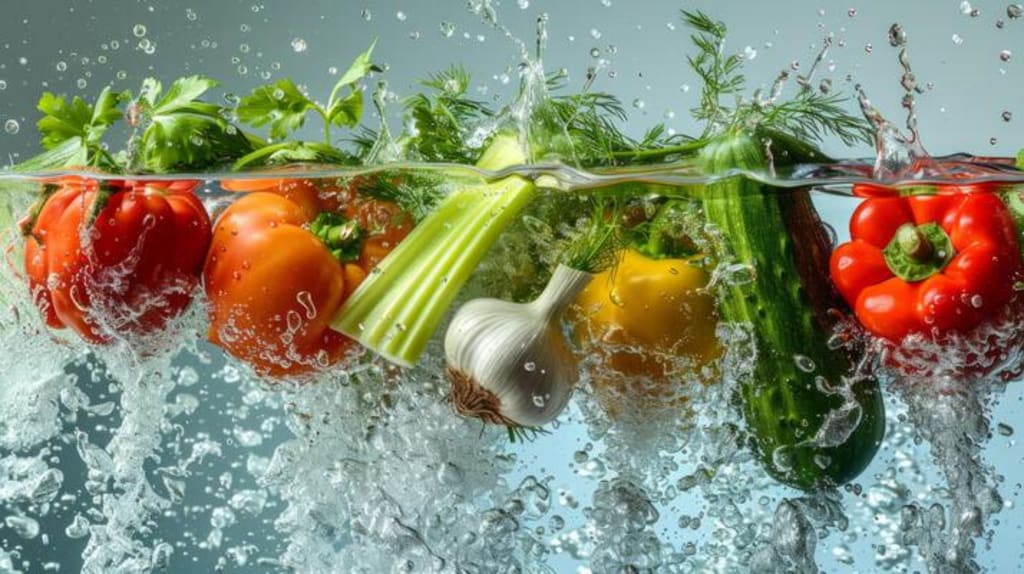
One of the oldest and most satisfying cooking methods is slow cooking, which produces delicate, delectable meals while letting flavors develop gradually. This technique is perfect for bringing out the inherent richness of ingredients with little work, whether you're using a modern slow cooker or a classic pot over low heat.
The Science of Slow Cooking
Fundamentally,slowcookingisbasedonmaintaininglowtemperaturesforalongtime—typic ally four to twelve hours. Tougher cuts of meat can be broken down and given a melt-in-your-mouth texture by cooking them at low heat, usually between 170°F and 280°F. Deepflavorinfusionisalsomadepossiblebythelongercookingtime,whichgivestheseasoningsandspicesmoretimetoseepintothefood.
Because of the moist cooking environment, ingredients don't dry out and retain their natural moisture content. For recipes where tenderness and flavor depth are crucial, such as stews, soups, and braised meats, slow cooking is a great option.
Crucial Equipment for Slow Cooking
Although there are many ways to cook slowly, the following essential tools can improve the experience:
A countertop device known as a slow cooker (or crockpot) keeps food at a steady low temperature so it can cook for hours without supervision.
Dutch Oven: This heavy, cast-iron pot is ideal for slow cooking on the stovetop or in the oven because it holds heat well.
Pressure Cooker with Slow Cook Function: For added convenience, many contemporary multi-cookers, like the Instant Pot, have slow cooking settings.
Traditional cooking tools like clay pots and tagines are used in many different cuisines to create distinctive flavors through slow cooking.
The Greatest Slow Cooking Ingredients
Ingredients that benefit from extended exposure to heat are best suited for slow cooking:
Tough Meats: Slow cooking softens tough meats like chicken thighs, lamb shanks, beef chuck, and pork shoulder.
Root Vegetables: Onions, parsnips, potatoes, and carrots all take on flavors and acquire a deep texture.
Legumes and Beans: You don't need to soak them beforehand because dried beans and lentils cook beautifully over time.
Whole Grains: Slow cooking gives barley, farro, and brown rice a rich, nutty flavor.
Benefits of Slow Cooking: Complex flavors are produced as a result of the spices and seasonings melding perfectly during the slow cooking process.
Tenderizes Tough Cuts: Meats become incredibly tender when the connective tissues are broken down by slow heat.
Hands-off Cooking: Minimal supervision is required after ingredients are prepared and put in the cooker.
Energy-Efficient: Slow cookers use less electricity than stovetops and ovens.
Nutritious and Healthful: Preserves nutrients better than high-heat cooking techniques, particularly for vegetables.
Slow Cooking Worldwide
A popular cooking method in many cultures, slow cooking is a component of some of the most well-known dishes in the world:
French Boeuf Bourguignon is a red wine-braised beef stew that is slow-cooked and frequently includes pearl onions and mushrooms.
Indian Dal Makhani is a hearty lentil dish that is cooked for hours with spices and butter.
Mexican Barbacoa: Traditionally, smoky flavors are infused into slow-cooked meat wrapped in leaves.
Moroccan tagine is a flavorful stew made with meat, vegetables, and preserved lemons in a clay pot.
Advice for Choosing the Right Slow Cooking Layer Ingredients: Because they take longer to cook, put denser ingredients—like root vegetables—at the bottom.
Use Less Liquid: Since slow cookers hold moisture better than stovetop cooking, use less water or broth.
Avoid Lifting the Lid: Heat escapes each time the lid is lifted, which can cause cooking times to increase.
Browning for Depth: Searing meats before slow cooking gives the dish more flavor and depth.
In conclusion
With little work, the slow cooking method turns basic ingredients into incredibly flavorful, tender meals. Whether you're preparing a comforting soup, a braised roast, or a hearty stew, using slow cooking guarantees consistently delicious results. With the correct equipment, supplies, and perseverance, this age-old technique will improve your cooking.
About the Creator
Ruhi
Storyteller, optimist, and supporter of human resilience. discovering beauty in each stage of life.
Migration
What does migration mean to you? As humans, as we grow, we make decisions that mark a before and after in our lives. Decisions that, when we look back on them, make us wonder if, at the moment we made them, we were truly aware of the impact they would have on our lives. Sometimes, our expectations are high: we dream of a future that does not yet exist; other times, we let life teach us, gently or forcefully, where these decisions might lead us.
By ISANDRA VALENabout 23 hours ago in Humans
Center Stage with Paul Stewart
*** I'm keen to republish the interviews I did for my series with Vocal creators. It's been a few years and I thought it might be nice to revisit these wonderful conversations. I'll be releasing them one at a time for a few weeks/months.
By Heather Hubler2 days ago in Interview




Comments (1)
Nice article