
The Surprisingly Simple Diet Lessons From North Korea
Spoiler: No apps, no internet, no dairy, no avocado toast — just pure simplicity.
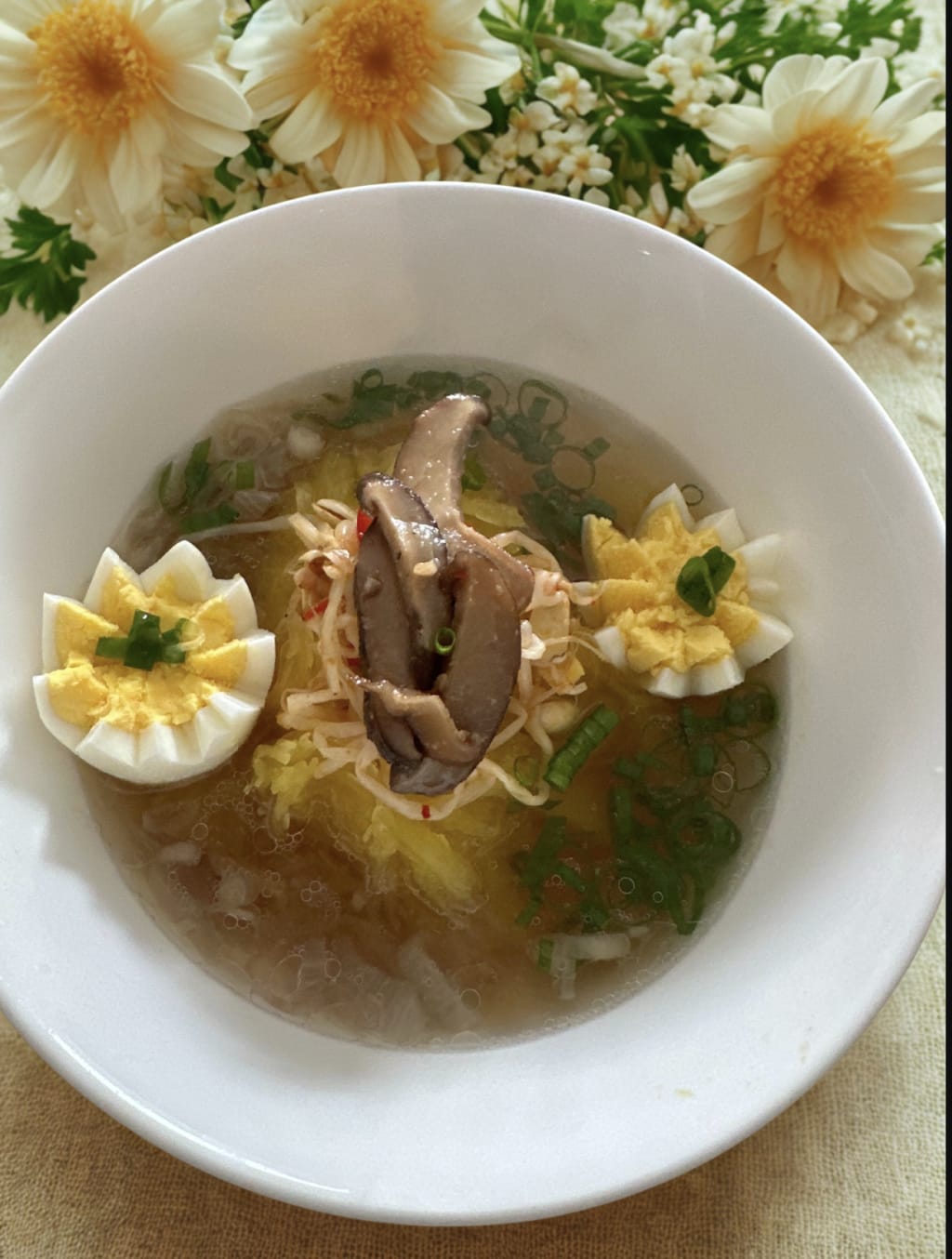
Let’s face it. We live in a world where people drink butter in their coffee, track every calorie with smartwatches, and survive on green powders that taste like lawn clippings. Meanwhile, over in North Korea? People are basically eating like it’s 1963… yet somehow staying trim. Crazy, right? Now, I’m not saying you should pack your bags for Pyongyang to drop a few pounds. But there are some oddly inspiring diet lessons from the Hermit Kingdom. Ready?
🍚 1. Small Portions, Big (Skinny) Results
In North Korea, food isn’t “all you can eat.”
It’s more like “hope you can eat.”
Buffets? Never heard of ’em. Seconds? Good luck.
It’s portion control—by default, not design.
And while that might sound like a nightmare to your inner foodie, it kinda works.
Less food = less overeating = fewer “Why do my jeans hate me?” moments.
Instead of piling your plate like it’s the last supper, imagine eating just enough to feel... not hungry. Not stuffed. Just right.
Like Goldilocks, but with kimchi.
It’s basically the “accidental intermittent fasting” program.
And it turns out, eating less might actually give your body more:
More energy. More clarity. Fewer food comas.
(And a much lower chance of falling asleep with one hand in a chip bag.)
Maybe Grandma was onto something when she said,
“Eat only until you’re 80% full.”
Or maybe she just secretly visited Pyongyang in the ‘60s.
Either way, your waistline might thank you.
🥬 2. Veggies First, Meat Maybe
If you sit down for dinner in North Korea, here’s what’s not on the table:
burgers, bacon, barbecue ribs, or anything that moos. Here’s what is on the menu:
Corn rice. Kimchi. Corn noodles. More veggies. Still more veggies.
Meat? Oh, you mean that mythical protein that makes guest appearances once in a blue moon—like a celebrity cameo on a low-budget TV show.
“Did you see that slice of pork?”
“Yeah, blink and you’ll miss it.”
Unintentionally, they’ve nailed the trendy plant-based lifestyle… just without the kale smoothies and overpriced oat milk.
No tofu bacon. No vegan cheese. Just good old-fashioned vegetables doing what vegetables do best—keeping you alive.
And guess what? They’re not crashing into food comas by 3 p.m.
They’re not rolling around with pizza guilt or saying, “Why did I eat the entire rotisserie chicken?”
They eat a plate full of greens, grains, and fermented cabbage—and then… go on with life. No bloating. No food regrets. No nap needed.
Imagine eating a meal that actually makes you feel better instead of needing a 2-hour recovery.
That’s the quiet superpower of plants.
North Koreans didn’t set out to be clean-eating icons—
they just didn’t have a choice.
And somehow, it kind of worked out.
🚫 3. No Snacks, No Problems
Picture this: it’s 11:47 p.m. You’re half-asleep, half-hungry, scrolling TikTok while slowly migrating toward the kitchen. You tell yourself, “Just one cookie.” Next thing you know, you’re elbow-deep in a family-size bag of chips and Googling, “Is cheese a meal?”
Now, let’s zoom over to North Korea. Midnight snacks? Never heard of ‘em.
Uber Eats? Doesn’t exist.
Vending machines? Nope.
The concept of “snacking” is basically classified as Western luxury nonsense.
In the Hermit Kingdom, people eat three meals a day. That’s it. Breakfast, lunch, dinner. No granola bars. No 100-calorie almond packs. No sneaky spoonfuls of Nutella between Zoom meetings. And sugar? It's not even a guilty pleasure—it’s a luxury only the top 30% can afford. Imagine living in a world where cookies are basically considered fine jewelry.
But here’s the weird part… it kind of works.
With no snacks constantly sneaking into your day like mischievous food ninjas, your body actually learns how to wait. Like, really wait. Hunger becomes something you respect—not something you panic about and smother with peanut butter.
What if we tried that?
Not full-on dictatorship-level discipline, but a little structure. Eat your meals. Be done. Step away from the fridge like it’s an ex you don’t text anymore. No shame. No food guilt. Just boundaries.
Sometimes, the secret to not overeating isn’t eating “clean”—
it’s just not eating constantly.
🧠 4. Food Is Fuel, Not Therapy
Let’s be real—many of us treat food like a part-time therapist.
Sad? Eat ice cream.
Happy? Celebrate with cake.
Bored? Hello, chips.
Heartbroken? Spoon, meet peanut butter jar.
Meanwhile, in North Korea? They eat for one reason and one reason only: survival. That’s it. No emotional baggage attached to a bowl of rice. No “I deserve this cookie because my boss was mean.” Just... calories in, energy out. A very unsexy, shockingly effective relationship with food.
There’s no emotional overeating, no “treat yourself” culture, and definitely no midnight crying with a pint of ice cream watching The Notebook.
They don’t eat because the vibes are off—they eat because the stomach says so.
And honestly, what if we tried a little of that?
Next time you’re halfway through a Netflix episode and eyeing the snack drawer, pause and ask:
“Am I hungry? Or just trying to fill a void where plot development should be?”
Now, don’t get me wrong—I’m not saying cancel your birthday cake or ghost your favorite pizza place. Life’s short, and frosting is joy. But when every emotion leads to eating, maybe the solution isn’t another diet, it’s just... figuring out if we’re actually hungry.
North Koreans accidentally cracked this code, not because they wanted to—because they had to. But still, it’s kinda genius.
Eat when you need fuel. Not when you need a hug.
(That’s what dogs and cozy blankets are for.)
🎯 Real Talk: It’s Not Glamorous
Let’s clear something up real quick:
North Korea’s “diet plan” isn’t something Goop is about to feature.
There are no trendy ingredients, no smoothie bowls with edible flowers, and certainly no influencers posting “What I Eat in a Day (Pyongyang Edition)” videos.
Why? Because it’s not a lifestyle—it’s survival.
But—and hear me out—maybe there’s some accidental genius in that.
Strip away all the trendy fads, overpriced supplements, and apps that track your every bite...
and you’re left with something our bodies actually get:
- Simple ingredients
- Regular meals
- No endless snacking while doom-scrolling
- Zero sugar bombs or deep-fried double bacon “treats”
It’s not glamorous. It’s not curated. It’s not hashtag-worthy.
But it works.
In a weird way, their forced minimalism is something we pay money to simulate.
We sign up for digital detoxes.
We try “clean eating.”
We buy books about “intentional living.”
Meanwhile, they’ve been doing it unintentionally for decades—no fancy branding, no vision boards, just... real life.
Now, I’m not saying we all need to live off corn noodles and kimchi under government rations.
But when things get too complicated—too many food rules, too much guilt, too many “keto-ish, gluten-free, low-FODMAP” labels—it’s refreshing to remember: food doesn't need to be this extra.
Sometimes the best “wellness plan” is just eating what your grandma would recognize as food... and stopping when you’re full.
So no, it’s not glamorous. But maybe, just maybe, it’s what our overfed, overstimulated brains and bellies have been craving all along.
🥢 Final Bite
Let’s be honest—most of us are one impulse click away from buying a $70 protein powder that tastes like wet cardboard.
Or subscribing to a meal plan that promises “abs in 4 weeks” and delivers sadness in a box.
But here’s the plot twist no one saw coming:
North Korea might just be the world’s most unexpected, no-frills diet guru.
You don’t need a keto coach named Chad.
You don’t need a $300 blender that can pulverize diamonds.
You don’t even need quinoa. (Shocking, I know.) What you do need?
A little perspective.
Craving dessert right after dinner?
Picture a North Korean dinner table—no cake, no chocolate lava, anything.
Just maybe a pickled radish with a side of... more pickled radish.
About to binge Netflix with snacks in both hands?
Now imagine no internet.
No Wi-Fi. No streaming. Just you, your thoughts, and a quiet room. Terrifying, yes—but also very low-calorie.
Feeling "hungry" again at midnight?
Try the North Korean portion rule: three mindful bites and then a dramatic pause like you're in a sad movie.
Boom—no overeating, no food guilt, and bonus points: no ER visits from too many cheese sticks.
And hey, no health insurance? No problem—if your diet's basic enough, your body might just thank you.
(Disclaimer: still see a doctor. Just… maybe not for snack-related emergencies.)
So while we’ve been busy overthinking every bite, adding collagen to our lattes and spirulina to our smoothies, North Koreans have kept it old-school: Eat simply. Move naturally. Don’t snack like a gremlin.
Who knew?
Maybe the secret to not gaining weight is less about “biohacking your metabolism”...
and more about not having sugar, Wi-Fi, or Uber Eats.
North Korea: the accidental diet coach we never asked for—
but maybe kinda needed all along.
About the Creator
Keep reading
More stories from Charlene Leigh and writers in Humans and other communities.
Ch7: The Teacher Who Changed Everything
It was during my four years at "People’s School"—North Korea’s version of elementary school—that I first began to develop a sense for evaluating adults, especially teachers. When I first became a student, everything seemed exciting and new. But by the time I was seven, I had already grown to resent my homeroom teacher. She praised only the top students, while those of us who struggled—even just a little—were humiliated with cruel insults. Maybe being scolded for poor performance was normal, even expected, but something about it felt deeply unfair to me. It wasn’t just “you need to do better”—it was “you’re not worth my attention.” I couldn’t stand it.
By Charlene Leigh7 months ago in Humans
When Enforcement Becomes Execution: ICE on Our Streets
In just two weeks, Minneapolis has seen two lives taken by federal agents .. lives that should have been protected, not treated as expendable. On January 7, Renee Good, a local resident, was fatally shot. On January 24, Alex Pretti, a 37-year-old ICU nurse and a U.S. citizen, was killed.
By Aarsh Malik6 days ago in Humans




Comments
There are no comments for this story
Be the first to respond and start the conversation.