
The Simpsons and Their Mysterious Predictions: Coincidence or Clairvoyance?
Have The Simpsons Really Predicted the Future—or Are We Just Reading Into It?

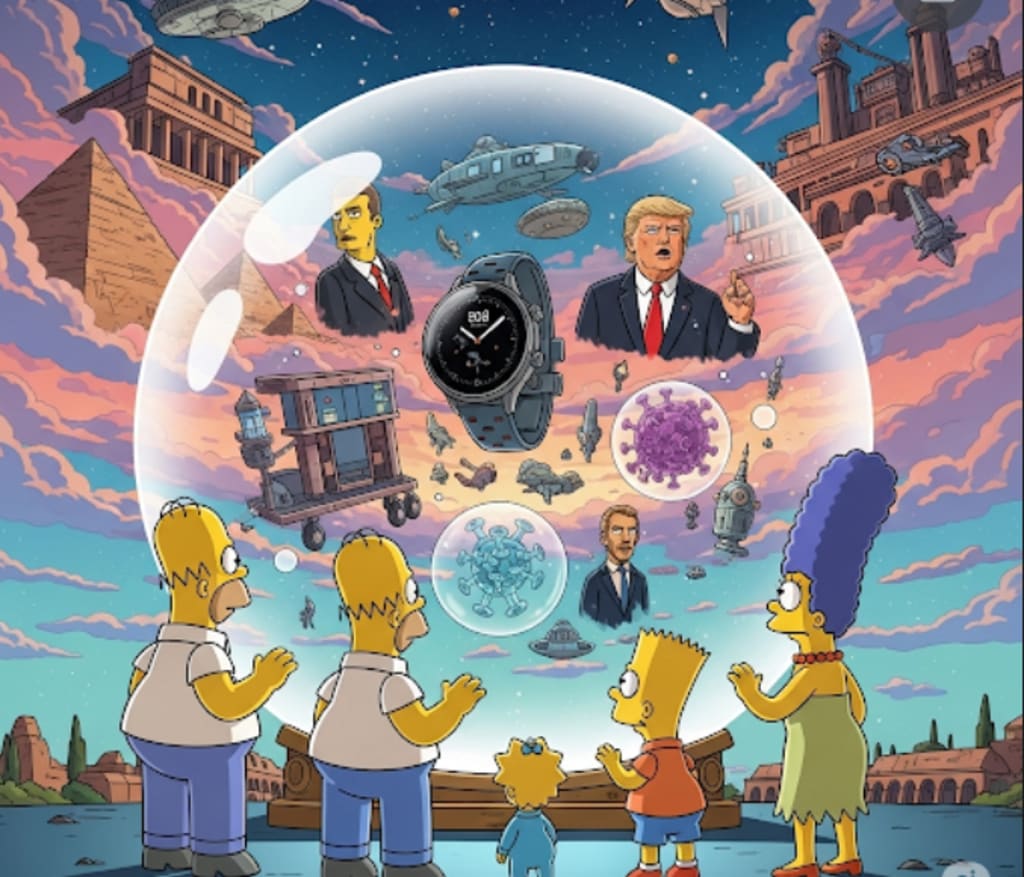
For over 30 years, The Simpsons has been more than just a cartoon. It's a cultural staple—clever, biting, and endlessly quotable. Created by Matt Groening, the show has taken aim at everything from American politics to pop culture, always with a sharp eye and a sense of humor. But in recent years, fans have noticed something else about the show: it seems to have an odd knack for predicting the future.
From Donald Trump becoming president to the rise of smartwatches, and even the COVID-19 pandemic, certain moments from the show have played out in real life—sometimes years after the episodes aired. Naturally, this has sparked debates, jokes, and even conspiracy theories. So, is it all just a strange coincidence, or is there something more going on?
Some of the Most Talked-About “Predictions”
- Donald Trump’s Presidency
Back in 2000, in an episode titled Bart to the Future, Lisa becomes president and offhandedly mentions inheriting a budget crisis “from President Trump.” At the time, Trump was mainly known as a real estate mogul and TV personality. Fast-forward to 2016, and—surprisingly—he’s elected the 45th President of the United States. Was it political satire that accidentally became prophecy?

- Smartwatches
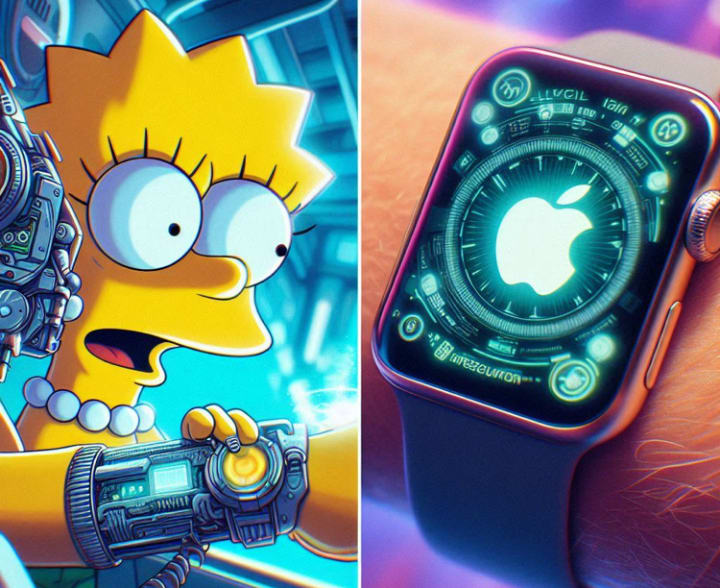
In a 1995 episode called Lisa’s Wedding, her fiancé is shown speaking into a watch. It looks a lot like the smartwatches we use today—decades before they became real products. Back then, wearable tech was pure science fiction, which makes this prediction especially uncanny.
In a 1995 episode called Lisa’s Wedding, her fiancé is shown speaking into a watch. It looks a lot like the smartwatches we use today—decades before they became real products. Back then, wearable tech was pure science fiction, which makes this prediction especially uncanny.
- COVID-19 and the Killer Bees
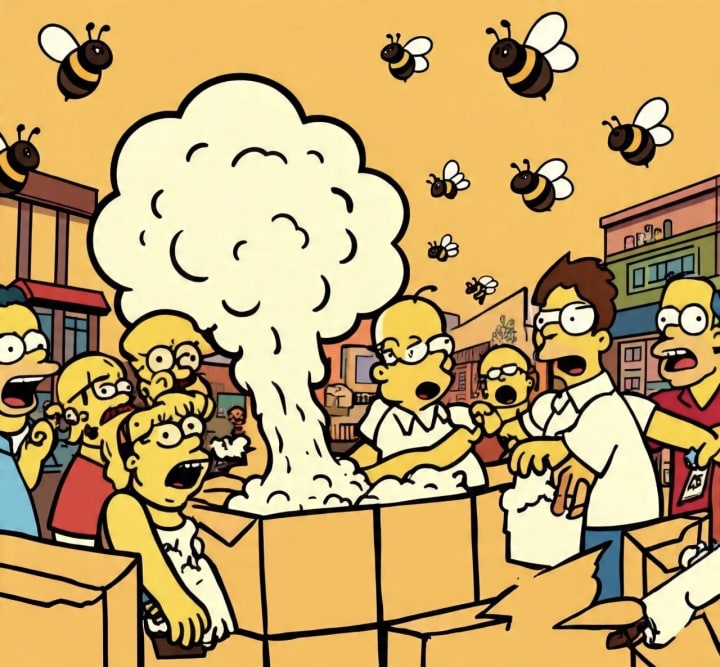
In a 1993 episode, Marge in Chains, a mysterious flu from Japan spreads to the U.S. through shipping boxes. Sound familiar? While it’s not a perfect match to COVID-19, the similarities struck a chord with many during the 2020 pandemic. To add another layer of weirdness, the same episode features a swarm of “killer bees”—strangely reminiscent of the brief media panic over murder hornets.
- Disney Buying 20th Century Fox
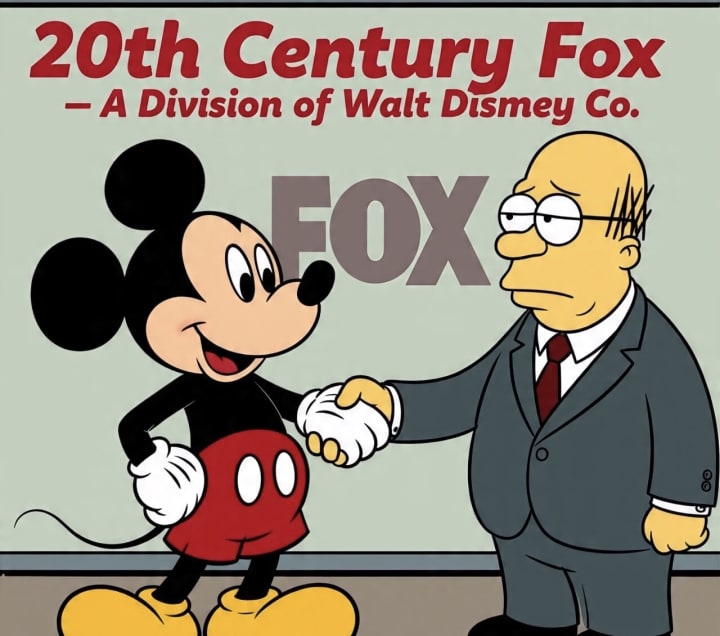
In 1998, The Simpsons casually shows a sign reading: “20th Century Fox, a Division of Walt Disney Co.” At the time, it seemed like a random joke. But in 2019, Disney actually did buy 21st Century Fox for more than $70 billion. Wild, right?
- Nobel Prize Winner
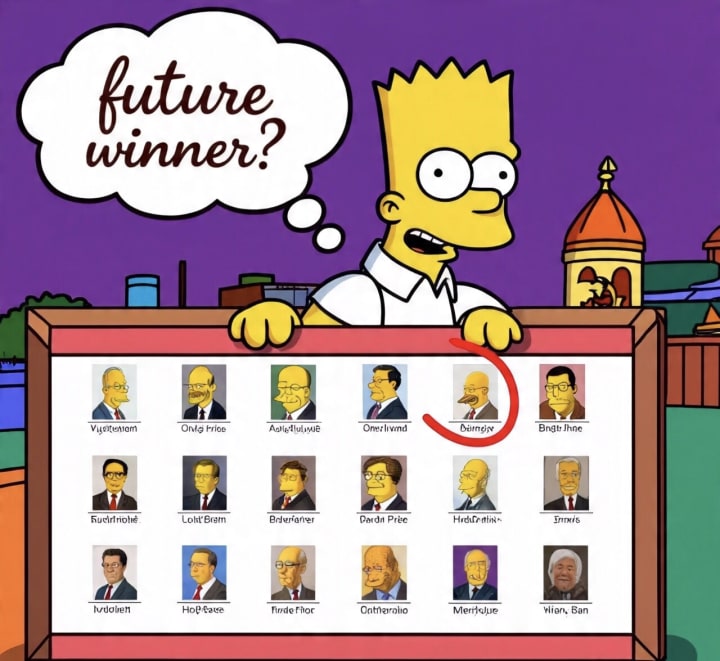
In a 2010 episode, there's a betting board with the name Bengt Holmström on it. Six years later, he won the Nobel Prize in Economics. Pure coincidence? Probably. But still impressive.
So How Does This Keep Happening?
The most likely explanation isn’t supernatural—it’s just smart writing.
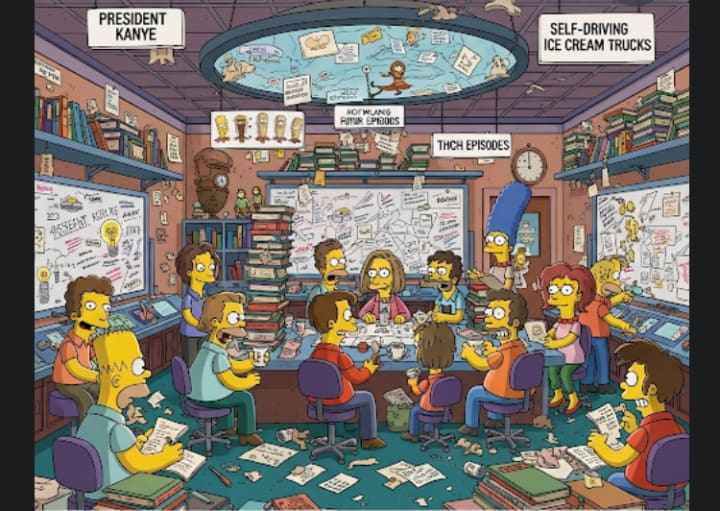
The show’s team includes some incredibly bright minds, many of whom are Ivy League-educated. They're not fortune tellers—they're observers. They pay close attention to trends, politics, science, and pop culture, and they exaggerate or stretch these trends for laughs. Sometimes, reality just happens to catch up.
There’s also something called the “law of truly large numbers.” Basically, if you produce hundreds of episodes over decades, a few of your wild ideas are bound to come true eventually. It’s not magic—it’s math.
What About "Predictive Programming"?
Some people believe in a theory known as "predictive programming"—the idea that shows like The Simpsons are used by powerful figures to subtly prepare us for future events. But there’s no real evidence for that. It’s a fun idea for a sci-fi movie, sure, but in reality, it’s much more likely that the writers are simply great at what they do: satirical storytelling based on what’s already happening around us.
- A Masterclass in Satire
At its core, The Simpsons is satire. And satire often works by taking real-world trends to their most absurd extremes. The show doesn’t always predict the future—it just exaggerates the present so well that when the real world gets just as absurd, it feels like a prediction.
Take Trump, for example. He’d floated the idea of running for president years before that episode aired. The writers didn’t pull his name out of nowhere; they just used it as the punchline to an over-the-top joke. And then, real life delivered the punchline.
Final Thoughts
It’s tempting to think The Simpsons has some kind of crystal ball. But what’s more likely—and maybe more impressive—is that it’s the product of decades of clever, thoughtful, and sometimes ridiculously sharp writing. With a team of smart people who are good at spotting trends and exaggerating them just right, it’s no wonder a few “predictions” ended up looking eerily accurate.
So does The Simpsons really predict the future? Probably not in the way people think. But it does have an uncanny ability to tap into the cultural moment—and sometimes, that’s all it takes to seem one step ahead of the rest of us.
About the Creator
Taimoor Khan
Hi, I’m Taimoor Khan. Writing is my way of capturing the quiet moments of life that often go unnoticed.
Keep reading
More stories from Taimoor Khan and writers in Humans and other communities.
Why Reels Keep Us Glued to Our Screens:
It starts innocently. You open Instagram or TikTok just to check one notification. A minute won’t hurt, right? Then, before you know it, it’s been 45 minutes. You’ve laughed, you’ve watched someone cook pasta in 30 seconds, you’ve seen a dog dance to a trending song, and now you’re wondering, “Where did all that time go?”
By Taimoor Khan8 months ago in Humans
Identity and Access Management Over Ten Years: Security Lessons That Changed Digital Protection
Digital systems have grown rapidly over the last decade. Businesses now depend on online platforms, cloud tools, and remote teams to operate smoothly. Because of this change, security strategies had to evolve as well. One of the most important areas that improved during this time is Identity and Access Management. Ten years ago, many companies used basic login systems and simple password rules. Those methods worked when most employees used office computers and local networks. As businesses moved online and adopted cloud technology, their old systems became outdated and weak. Attackers began targeting user accounts instead of networks. A stolen login could allow someone to enter many systems without raising alarms. This shift forced companies to focus on identity as a main security control. Organizations learned that protecting accounts protects the entire system. Over the past decade, identity security has become one of the strongest foundations of modern cybersecurity strategies.
By Keith Brautigam2 days ago in Humans


Comments
There are no comments for this story
Be the first to respond and start the conversation.