
The Shadow of Mortality
Navigating the Inherent Fear of Death

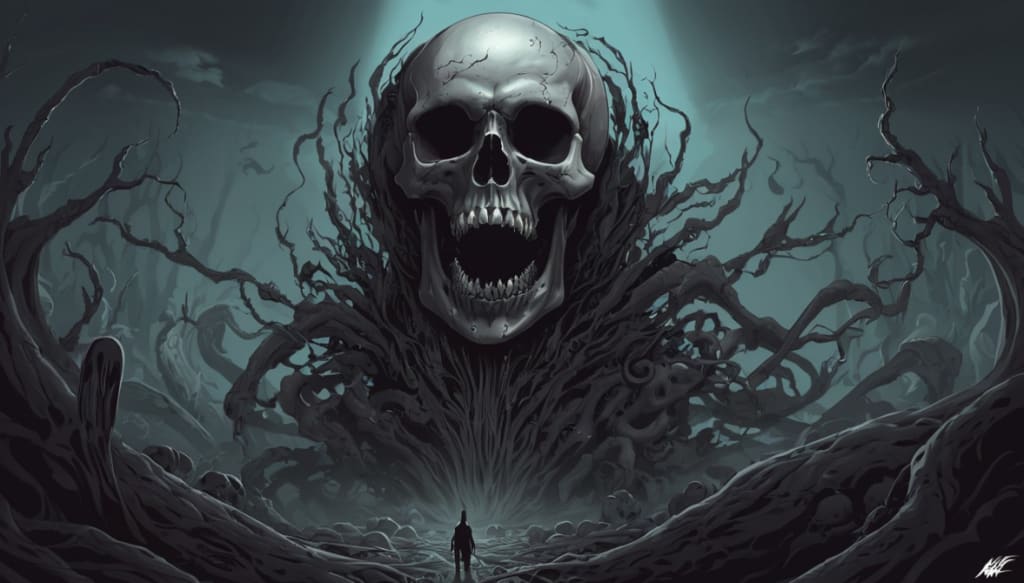
In the vast expanse of human existence, the fear of death looms as a profound and intricate facet. This exploration delves into the unsettling emotions associated with the inevitability of mortality, shedding light on the complexities that shroud our apprehensions about the great unknown.
The fear of death is not merely an intellectual acknowledgment of life's finite nature; it is a visceral and emotional response to the concept of ceasing to exist. This fear manifests in various forms, from existential angst to a more immediate fear of the unknown aspects that accompany the end of life.
The awareness of our mortality carries a heavy emotional burden. It prompts contemplation about the brevity of our time on Earth, the impermanence of our relationships, and the inevitability of bidding farewell to the world and those we hold dear.
The fear of death often centers around the uncertainty of what comes after. Whether rooted in religious beliefs, existential ponderings, or a profound uncertainty, the idea of stepping into the unknown generates anxiety and trepidation.
The prospect of being separated from loved ones, coupled with the grief that follows, amplifies the dread of our own mortality.
Different cultures and religions offer diverse perspectives on what follows death. The promise of an afterlife or the concept of reincarnation provides solace to some, while others grapple with the uncertainty of what awaits.
Cultural rituals surrounding death, from funeral ceremonies to memorial traditions, offer a framework for coping with the fear of death. These rituals provide structure and meaning, helping individuals navigate the complex emotions associated with loss.
Existentialist philosophy posits that the fear of death is intertwined with the broader human experience of grappling with the absurdity of existence. The contemplation of life's meaning, or lack thereof, exacerbates the anxiety surrounding mortality.
The desire for a meaningful legacy is often a response to the fear of death. Individuals seek to leave a lasting impact, whether through accomplishments, relationships, or creative endeavors, as a way to transcend their own mortality.
Some individuals cope with the fear of death through denial or avoidance. They may steer clear of conversations about mortality, distracting themselves from the impending reality.
Others find solace through acceptance, embracing the impermanence of life. Spiritual practices, mindfulness, and a focus on living in the present moment are pathways to transcend the fear of death.
Technological and medical advancements have led to discussions about the potential for extending human life. However, the fear of death persists, as questions about the quality of life, ethical considerations, and the true nature of immortality come to the forefront.
The fear of death often intersects with the desire for a lasting legacy. Whether through creative works, contributions to society, or the impact on future generations, individuals seek a sense of continuity that transcends their physical demise.
In the vast expanse of human existence, the fear of death invites contemplation, exploration, and a myriad of emotional responses. It is a complex tapestry woven with threads of existential angst, cultural beliefs, and individual coping mechanisms. As we navigate our mortal journey, understanding and embracing the fear of death becomes a poignant part of the human narrative, shaping the way we live, love, and seek meaning in the face of life's ultimate certainty.
About the Creator
Kei Ben
A fresh read goes a long way.
A Historic Declaration
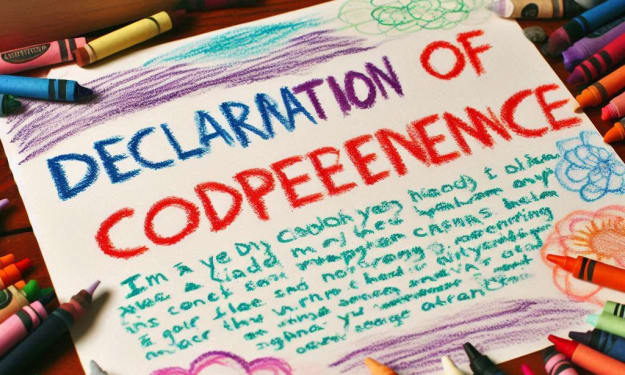
We the People of the Husbands of the United States of America, in Order to form a more perfect Union, and I mean you...with me...establish Justice, insure domestic Tranquility, provide for the common defence, promote the general Welfare, and secure the Blessings of Liberty to ourselves, after Puberty, do ordain and establish this Declaration of Co-Dependence.
By Gerard DiLeo6 days ago in Humans



Comments