
The Role of Wearables in Healthcare Interoperability
Healthcare Interoperability

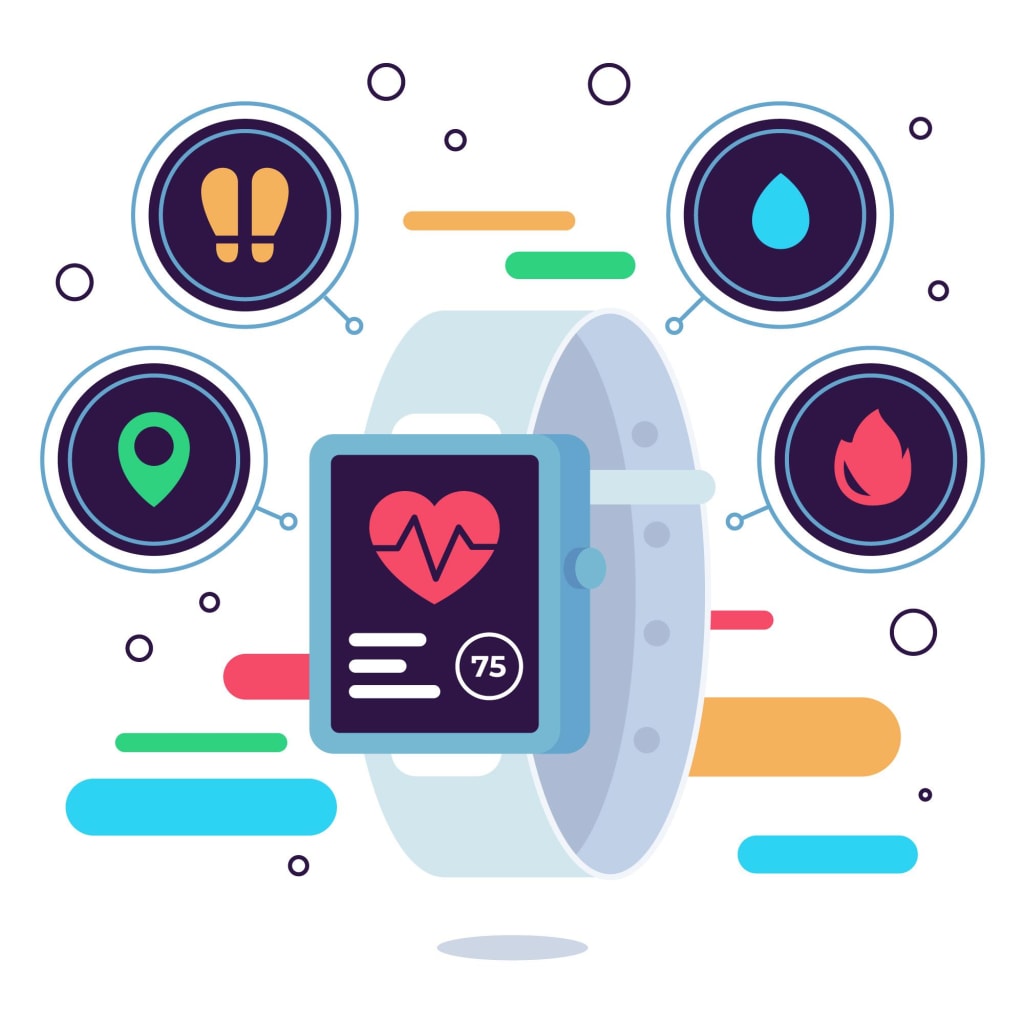
The advent of wearable technology has revolutionized various aspects of our daily lives, particularly in the realm of healthcare. These devices, ranging from fitness trackers to advanced health monitors, have empowered individuals to take control of their health. However, their true potential lies in their ability to integrate with broader healthcare systems. This integration, known as healthcare interoperability, is crucial for creating a cohesive and efficient healthcare ecosystem. In this blog, we will explore the role of wearables in healthcare interoperability, the challenges they present, and the potential they hold for the future.
Understanding Healthcare Interoperability
Healthcare interoperability refers to the ability of different healthcare systems and devices to communicate, exchange, and use information seamlessly. This is vital for providing comprehensive care, as it ensures that all relevant health data is accessible to healthcare providers, regardless of the source. Effective interoperability can lead to improved patient outcomes, reduced costs, and enhanced overall efficiency in healthcare delivery.
The Rise of Wearable Technology in Healthcare
Wearable technology includes devices such as smartwatches, fitness trackers, and specialized health monitors that collect a wide range of health-related data. These devices are equipped with sensors that can measure vital signs, physical activity, sleep patterns, and even detect irregular heart rhythms. The continuous monitoring capability of wearables provides real-time data, which is invaluable for both patients and healthcare providers.
The Role of Wearables in Enhancing Healthcare Interoperability
Continuous Data Collection and Monitoring
Wearables provide continuous and real-time health data, offering a more comprehensive view of a patient's health than traditional episodic data collection methods. This continuous stream of data can be integrated into electronic health records (EHRs), giving healthcare providers a detailed and up-to-date picture of a patient’s health status.
Early Detection and Preventive Care
Wearables can detect early signs of potential health issues, such as irregular heartbeats or changes in activity levels, and alert both the patient and healthcare providers. This early detection enables timely interventions, potentially preventing serious health issues from developing. Integrating this data into healthcare systems ensures that these early warnings are part of the patient's medical history, facilitating proactive care.
Patient Engagement and Self-Management
Wearables empower patients to take an active role in managing their health by providing them with real-time feedback and insights. This increased engagement can lead to better adherence to treatment plans and healthier lifestyle choices. When this data is shared with healthcare providers, it creates a collaborative environment where patients and providers work together to achieve better health outcomes.
Data Integration and Personalization
The data collected by wearables can be integrated with other health data sources, such as EHRs, lab results, and imaging studies. This integration allows for a more personalized approach to healthcare, as providers can tailor treatment plans based on a comprehensive view of the patient’s health data. Personalized care plans can lead to more effective treatments and improved patient satisfaction.
Challenges of Integrating Wearables with Healthcare Systems
Data Privacy and Security
The integration of wearable data with healthcare systems raises concerns about data privacy and security. Ensuring that patient data is protected from unauthorized access and breaches is paramount. Healthcare providers and wearable manufacturers must adhere to strict data protection regulations and implement robust security measures to safeguard patient information.
Standardization and Interoperability
One of the significant challenges in achieving healthcare interoperability is the lack of standardized data formats and communication protocols. Wearable devices from different manufacturers often use proprietary formats, making it difficult to integrate their data seamlessly into EHRs and other healthcare systems. Developing and adopting industry-wide standards is essential to overcome this hurdle.
Data Overload and Management
The continuous data streams generated by wearables can lead to data overload, making it challenging for healthcare providers to manage and interpret the information effectively. Advanced data analytics and artificial intelligence (AI) tools are needed to process and derive meaningful insights from the vast amounts of data generated by wearables.
Integration with Existing Healthcare Workflows
Integrating wearable data into existing healthcare workflows can be complex and requires significant changes to current practices. Healthcare providers need to be trained on how to interpret and utilize wearable data effectively. Additionally, healthcare systems must be designed to accommodate and streamline the flow of wearable data into routine care processes.
The Future of Wearables in Healthcare Interoperability
Despite the challenges, the future of wearables in healthcare interoperability is promising. Continued advancements in technology, data analytics, and AI will enhance the integration and utilization of wearable data in healthcare systems. Here are some potential future developments:
Advanced Predictive Analytics
AI and machine learning algorithms can analyze wearable data to predict health trends and identify potential issues before they become critical. These predictive insights can be integrated into healthcare systems to support proactive and preventive care.
Enhanced Patient-Centric Care
Wearables will play a crucial role in enabling patient-centric care models, where patients are actively involved in their healthcare decisions. The integration of wearable data with telehealth platforms and remote monitoring systems will facilitate continuous care, regardless of the patient's location.
Global Health Initiatives
Wearables can contribute to global health initiatives by providing valuable data for public health monitoring and research. Aggregated data from wearables can help identify population health trends, track the spread of diseases, and inform public health interventions.
Personalized Medicine
The integration of wearable data with genetic and molecular data will drive the development of personalized medicine. Healthcare providers will be able to tailor treatments based on a comprehensive understanding of each patient's unique health profile, leading to more effective and precise interventions.
Conclusion
Wearables have the potential to transform healthcare by enhancing interoperability and providing continuous, real-time health data. While there are challenges to overcome, the benefits of integrating wearable data into healthcare systems are substantial. By addressing issues related to data privacy, standardization, and integration, wearables can pave the way for a more connected, efficient, and patient-centric healthcare ecosystem. As technology continues to advance, the role of wearables in healthcare interoperability will only grow, leading to better health outcomes and a brighter future for healthcare.
Discover how wearables and AI are revolutionizing healthcare—learn more about their transformative potential for remote patient monitoring today!
About the Creator
Larisa Albanians
Hey, a healthcare technology solutions provider at emorphis, that is helping organizations to deliver better healthcare solutions.
Keep reading
More stories from Larisa Albanians and writers in Humans and other communities.
Navigating the Regulatory Archipelago: Other Relevant Laws for Healthcare Developers
In the ever-evolving landscape of healthcare, developers face a complex web of regulations that extend beyond the well-known HIPAA (Health Insurance Portability and Accountability Act) compliance. Understanding the breadth of regulatory frameworks is crucial for healthcare software developers, ensuring their solutions are not only innovative but also legally compliant. This blog explores some of the lesser known but equally significant regulations that impact healthcare software development in the United States.
By Larisa Albanians2 years ago in Humans
Trump Imposes Novel Tariffs Tailored to Hit Foreign Sales of High-End Chips
In a move that has captured international attention, former President Donald Trump’s administration has announced a set of tariffs aimed specifically at high-end semiconductor chips exported from the United States. Unlike traditional tariffs, which broadly target products from a particular country or industry, these new measures are highly selective, focusing on the most advanced chips—those powering everything from AI applications to cutting-edge electronics. A Strategic Strike on Technology Exports High-end semiconductors are the lifeblood of modern technology. They’re the brains behind smartphones, data centers, supercomputers, and increasingly, artificial intelligence systems. By targeting only the most advanced chips, the Trump administration is signaling a strategic approach: slow down the technological advancement of foreign competitors without broadly disrupting the global supply of lower-end electronics. Industry analysts argue that these “novel tariffs” are less about generating revenue and more about economic leverage. The United States has long held a dominant position in semiconductor design and fabrication. By selectively imposing tariffs, it aims to preserve this edge while influencing foreign companies to reconsider their global supply chains. How the Tariffs Work The mechanism of the new tariffs is unusually precise. They are not blanket tariffs on all semiconductor exports but rather on specific classes of chips, particularly those above a certain processing power or designed for AI, autonomous vehicles, and military applications. For example, a mid-range chip used in standard consumer electronics might escape additional duties entirely, while the newest GPUs or AI accelerators could face substantial import fees abroad. This approach reflects an unprecedented level of sophistication in trade policy, combining economic strategy with technological prioritization. Global Market Repercussions The immediate effect of these tariffs is likely to ripple through the semiconductor industry. Countries heavily reliant on U.S. high-end chips—such as China, South Korea, and members of the European Union—may face supply constraints, leading to increased costs for electronics manufacturers. Companies may have to adjust by stockpiling inventory, seeking alternative suppliers, or investing in domestic chip production. China, in particular, has already begun exploring strategies to circumvent U.S. tariffs by boosting its domestic semiconductor capabilities. The country has poured billions into local chip manufacturing, aiming to reduce dependency on American high-end technology. The new tariffs may accelerate these efforts, potentially fueling a longer-term technological competition between the U.S. and China. Domestic Implications While designed to pressure foreign competitors, the tariffs may also have side effects domestically. American companies that rely on foreign markets for revenue—like Nvidia, Intel, and AMD—could see reduced international sales if foreign customers face higher prices. Some experts warn that this could slow U.S. semiconductor growth in the short term, even as the administration tries to strengthen domestic control over technology exports. Furthermore, these tariffs highlight the growing intersection between trade policy and national security. By protecting certain chip technologies, the U.S. aims to prevent sensitive applications—particularly those related to defense and AI—from falling into the hands of competitors. This signals a broader trend: trade policy is no longer just about economics; it’s about geopolitical strategy. Reactions from Industry and Analysts Industry responses have been mixed. Semiconductor companies recognize the strategic importance of protecting high-end technology but are wary of the market disruptions these tariffs could trigger. Some have called for careful implementation to avoid unintentionally stifling innovation or complicating international partnerships. Economists, meanwhile, are debating the long-term impact. Some argue that targeting high-end chips specifically is a clever approach that minimizes harm to consumers while maximizing leverage over foreign competitors. Others warn that it could encourage countries to accelerate their own technological independence, potentially eroding U.S. dominance in the semiconductor sector over time. Lessons from History This is not the first time that trade policy has intersected with technology. In the past, U.S. administrations have restricted exports of certain military-grade technologies or components. However, these new tariffs stand out for their precision and scale. By focusing on commercially critical chips, the Trump administration is creating a new template for trade interventions in a high-tech era. Historically, such policies have had mixed results. In some cases, export restrictions successfully slowed technological progress abroad; in others, they accelerated domestic innovation in the targeted countries. How this round of tariffs will play out remains uncertain, but one thing is clear: the semiconductor market will not be the same. Strategic Implications for the Future The imposition of targeted chip tariffs reflects a broader recognition that technology and trade are inseparable in the 21st century. As AI, quantum computing, and other advanced technologies become increasingly critical to economic and military power, nations are treating semiconductors as strategic assets rather than mere commodities. For U.S. policymakers, this move is as much about maintaining technological leadership as it is about trade balance. For global competitors, it is a signal to innovate rapidly and reduce reliance on foreign high-end components. For companies and consumers, it underscores the fragility and complexity of modern supply chains, where a single policy change can reverberate across industries and continents. What to Watch Next Analysts will be watching closely to see how countries respond, whether alternative suppliers can fill gaps, and how American companies adapt to potential international pushback. Investors, tech firms, and governments alike will need to consider both the short-term disruptions and the long-term strategic shifts that these tariffs may trigger. Ultimately, Trump’s novel tariffs on high-end chips represent a new frontier in trade policy—where economic strategy, technological dominance, and national security intersect in unprecedented ways. Whether this approach strengthens U.S. influence in the semiconductor arena or inadvertently spurs competitors to catch up faster will shape the global tech landscape for years to come.
By Muhammad Hassan4 days ago in Humans



Comments (1)
Hey, just wanna let you know that this is more suitable to be posted in the 01 community 😊