
The Price of One-Sided Friendship
A Story About Selfishness, Loyalty, and the Lessons Learned Too Late

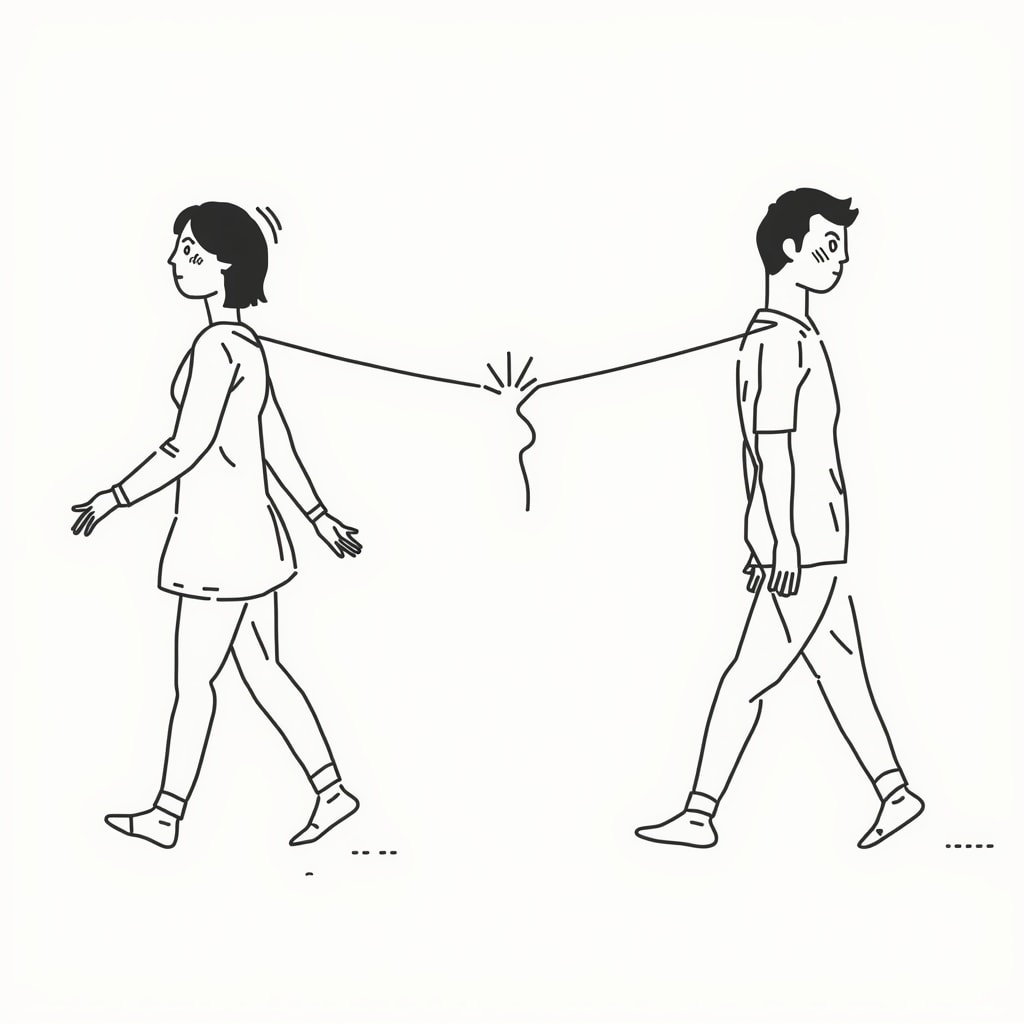
Friendship is often spoken of as a bond built on trust, care, and mutual understanding. But not all friendships are equal. Some grow in the light of honesty, while others survive only because one person keeps giving and the other keeps taking. This is the story of such a friendship—one that taught me painful but necessary lessons about self-respect and the true meaning of loyalty.
I met Arman during a time when life felt uncertain. We were both trying to find our place in the world, chasing dreams that felt just out of reach. At first, Arman seemed like the kind of friend everyone wants—charming, confident, and full of big ideas. He spoke passionately about success, about loyalty, about how friends should always stand by each other. His words were convincing, and I believed them without question.
Our friendship grew quickly. We spent long evenings talking about the future, sharing fears and ambitions. I supported him whenever he needed help—whether it was lending money, offering advice, or simply listening to his endless complaints. I told myself this was what real friendship looked like: being there without keeping score.
But slowly, patterns began to form. Arman was always in need of something. Sometimes it was small—rides, favors, borrowed items. Other times it was more serious—money he promised to return, time he asked me to sacrifice, emotional support he demanded without hesitation. Whenever I needed him, however, he was suddenly busy, distracted, or unavailable.
At first, I made excuses for him. “He’s under pressure,” I told myself. “Everyone goes through hard times.” I believed that loyalty meant patience, that understanding his flaws made me a better friend. What I didn’t realize was that patience without boundaries slowly turns into self-neglect.
One particular incident changed everything. I was facing a difficult moment in my life—one that left me anxious and overwhelmed. I reached out to Arman, hoping for the same support I had always given him. His response was short and careless. He brushed aside my concerns, turning the conversation back to his own problems within minutes. It felt like shouting into an empty room.
That night, I lay awake replaying our conversations, our shared memories, and all the times I had put his needs before my own. For the first time, I asked myself a question I had avoided for years: *Was this friendship real, or was it just convenient for him?*
The answer hurt more than I expected.
I began to notice things I had once ignored. He only called when he needed help. He disappeared when things were going well for me. He never celebrated my successes—only measured them against his own. My happiness made him uncomfortable, as if my growth threatened the role I played in his life.
When I finally confronted him, I didn’t accuse or attack. I simply told him how I felt—tired, unappreciated, and taken for granted. He laughed it off, saying I was being too sensitive. He reminded me of all the “good times” we had shared, as if memories alone were proof of loyalty. There was no apology, no effort to understand my pain.
That moment made everything clear. A true friend listens when you speak. A selfish one defends himself when you hurt.
Letting go of that friendship was not easy. There was guilt, doubt, and loneliness. I questioned whether I was overreacting, whether I was being unfair. But as days turned into weeks, I felt something unexpected—peace. Without constantly giving and receiving nothing in return, I had space to breathe again.
I learned that friendship should never feel like a burden. It should not drain you, belittle you, or make you question your worth. Real friends show up not only when they need you, but when *you* need them too. They celebrate your growth instead of competing with it. They give without keeping count.
Arman eventually reached out again, asking for help as if nothing had changed. This time, I said no. Not out of anger, but out of self-respect. I wished him well, but I chose myself.
That decision marked a turning point in my life. I became more careful about who I let close, more aware of the balance between giving and receiving. I learned that kindness should not come at the cost of dignity.
This story is not about hatred or revenge. It is about awakening. It is about understanding that selfish people often disguise themselves as friends, and that walking away is sometimes the bravest act of all.
In losing a selfish friend, I gained something far more valuable—a deeper respect for myself and a clearer understanding of what true friendship really means.
About the Creator
Thief In The Night
To the thief in the night that took and replicated what once was mine: Honestly, I feel kind of bad for you. It’s funny, because we hardly know each other. I only know of you through the magazines you’ve written and the broadcasts you have televised in the past — as well as through the public mentions of you from your show business connections there.
By Snarky Lisa8 days ago in Humans
Top tipple tricks
Been thinking a lot about drinking, lately. Not least because of a recent episode of over-indulgence and the inevitable after effects. Some readers may recall the earlier articles I wrote about beating the booze. Here I set out an experiment in techniques for cutting down on my alcohol intake. The experiment was successful, the techniques worked, and I have armed myself with an arsenal of weapons in the war against the demon drink. I have yet to fire the first round however. It's all a question of timing (perhaps procrastination).
By Raymond G. Taylor6 days ago in Psyche




Comments
There are no comments for this story
Be the first to respond and start the conversation.