
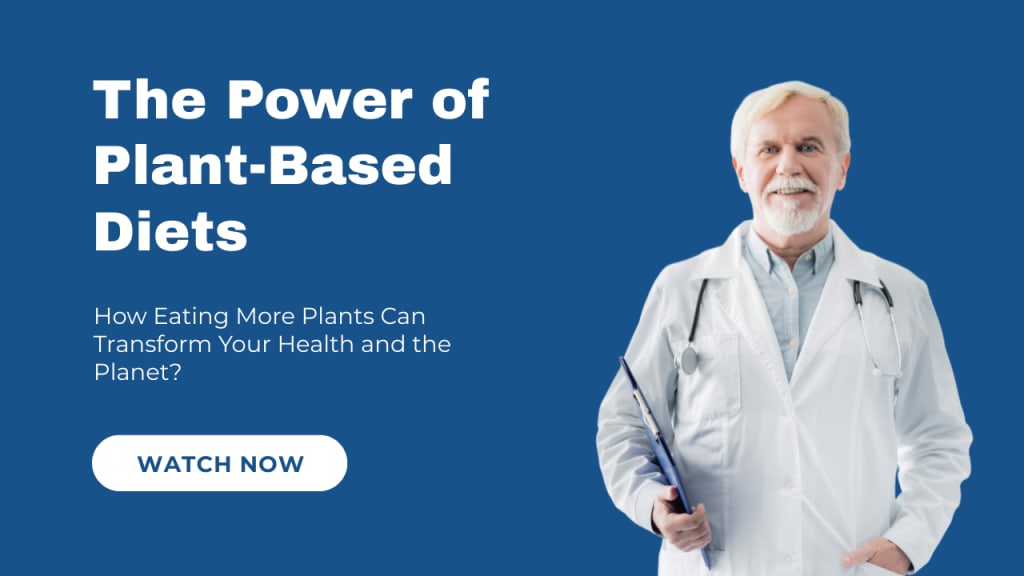
The Power of Plant-Based Diets
How Eating More Plants Can Transform Your Health and the Planet
In recent years, plant-based diets have gained popularity for their numerous health benefits and positive impact on the environment. A plant-based diet is a dietary approach that emphasizes whole, minimally processed plant foods and excludes or limits animal products.
Numerous studies have demonstrated the health benefits of plant-based diets. These diets have been linked to lower risk of chronic diseases, including heart disease, diabetes, and certain types of cancer. In addition, plant-based diets have been shown to improve cholesterol levels, blood pressure, and overall cardiovascular health.
Plant-based diets are rich in fiber, vitamins, and minerals, which are essential for maintaining optimal health. By incorporating a variety of fruits, vegetables, whole grains, legumes, nuts, and seeds into their diet, individuals can meet their nutrient needs while reducing their risk of chronic diseases.
In addition to their health benefits, plant-based diets have a positive impact on the environment. Animal agriculture is a major contributor to greenhouse gas emissions, deforestation, and water pollution. By reducing or eliminating animal products from their diet, individuals can reduce their carbon footprint and help protect the environment.
Transitioning to a plant-based diet may seem daunting at first, but there are numerous resources and strategies that can make the process easier. One approach is to start by incorporating more plant-based foods into your diet, while gradually reducing your intake of animal products. This can include trying new fruits and vegetables, experimenting with plant-based proteins such as tofu and tempeh, and substituting meat with plant-based alternatives such as beans, lentils, and chickpeas.
Another strategy is to plan your meals in advance and focus on creating balanced, nutritious meals that include a variety of plant-based foods. This can help ensure that you are meeting your nutrient needs and feeling satisfied and energized throughout the day.
It's also important to note that plant-based diets can be affordable and accessible for individuals of all income levels. By purchasing whole, minimally processed plant foods in bulk and focusing on in-season produce, individuals can reduce their grocery bill while still enjoying a nutritious and satisfying diet.
Plant-based diets have also been associated with a lower risk of obesity, which is a major risk factor for numerous chronic diseases. Plant-based foods are typically lower in calories and higher in fiber than animal products, which can help individuals feel full and satisfied while consuming fewer calories.
Plant-based diets have also been shown to improve gut health. The high fiber content of plant-based foods promotes the growth of healthy gut bacteria, which can improve digestion, boost immunity, and reduce inflammation.
There is also evidence to suggest that plant-based diets may improve cognitive function and reduce the risk of Alzheimer's disease. This may be due in part to the anti-inflammatory properties of plant-based foods, as chronic inflammation has been linked to cognitive decline.
While plant-based diets offer numerous health benefits, it's important to note that they are not a one-size-fits-all solution. Some individuals may have unique nutrient needs or health concerns that require additional considerations. It's important to consult with a healthcare provider or registered dietitian to ensure that your diet is meeting your individual needs.
In addition, individuals who choose to follow a plant-based diet should be mindful of their intake of key nutrients such as protein, iron, calcium, and vitamin B12. These nutrients can be obtained through plant-based sources, but it may require some planning and supplementation to ensure that your diet is nutritionally balanced.
In conclusion, plant-based diets offer numerous health benefits and have a positive impact on the environment. By incorporating more plant-based foods into your diet and gradually reducing your intake of animal products, you can improve your health and reduce your carbon footprint. With a little planning and creativity, plant-based diets can be delicious, affordable, and accessible for everyone.
About the Creator
Silken Chains
Silhouettes of the female form were given flesh and bone. Silken skin glistened under the spotlight. Dry ice rose around our Icons as they danced atop their podiums in the Square. Heralded for their beauty, their movements were slight, powerful, and sensual.
By Paul Stewart5 days ago in Fiction


Comments
There are no comments for this story
Be the first to respond and start the conversation.