
The One Thing Eye Doctors Say You Should Never Do — And Why It’s a Serious Risk
Discover the hidden dangers of common eye care mistakes and how to protect your vision from serious harm.
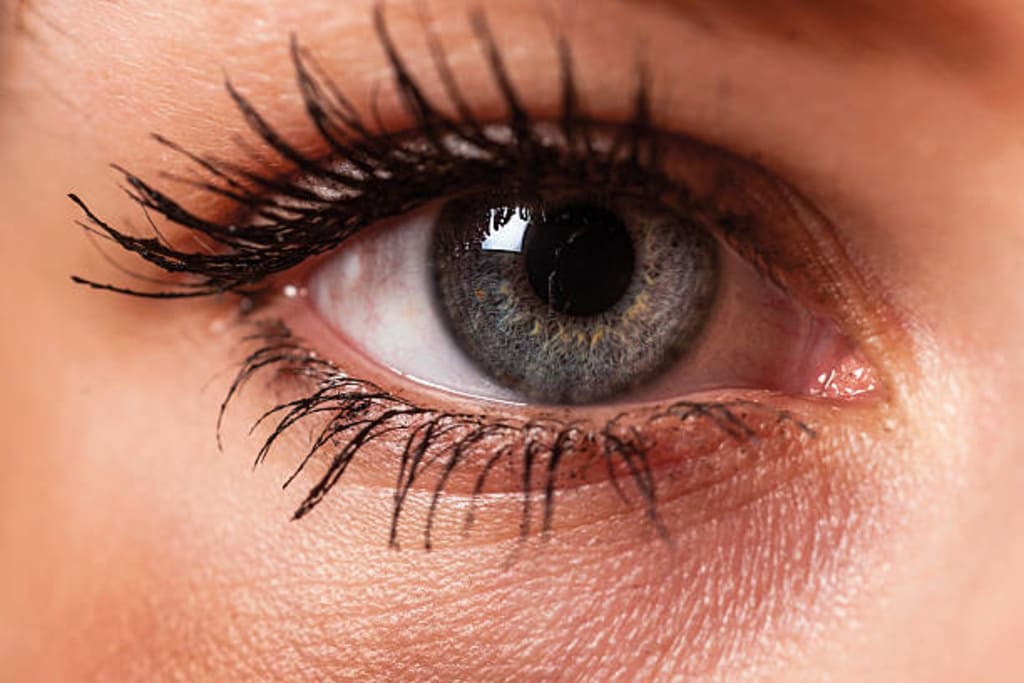
Your eyes are an incredibly delicate and vital part of your body. They help you experience the world, make memories, and navigate life. However, they’re often taken for granted until something goes wrong. For many people, small daily habits may seem harmless, but some of these practices can lead to serious, long-term damage to your eyes. One habit, in particular, stands out as being incredibly risky — one that eye doctors constantly warn against sleeping with your contact lenses in.
While this may seem like no big deal, the consequences can be much more serious than most people realize.
Why Sleeping in Contact Lenses Is Dangerous
It might be tempting to fall asleep with your contact lenses in, especially after a long day or a short nap. However, Dr. Amanda Redfern, an ophthalmologist at Oregon Health & Science University’s Casey Eye Institute, stresses that doing so is a major no-no. According to Dr. Redfern, “It’s bad. Bad.” And the truth is, even a short nap with your lenses still in can increase your risk of serious eye complications.
What happens when you sleep in your contacts? Your eyes aren't getting the oxygen they need to stay healthy. Lenses can trap dirt, bacteria, and debris between your cornea and the contact lens, creating the perfect environment for infections to develop. One of the worst infections you can get from this is a corneal ulcer.
What Is a Corneal Ulcer?
A corneal ulcer is an open sore that develops on the cornea — the clear front surface of your eye that focuses light and allows you to see clearly. This sore can become infected when bacteria are trapped under your contact lens, especially when you sleep with the lenses on. While it doesn’t happen every time you wear your lenses overnight, the risk is still there. And when it does happen, it can be devastating.
Dr Redfern compares this risk to playing a game of “Russian roulette” with your eyes. While not every case leads to a severe infection, when it does, the results can be life-altering. In extreme cases, a corneal ulcer can cause permanent vision loss and even lead to the removal of the eye if the infection becomes uncontrollable.
Even if the situation isn’t that severe, corneal ulcers can leave scarring. If this scar happens to be in the centre of your cornea, it could permanently affect your vision. In some cases, only a corneal transplant can restore your eyesight.
The Dangers of Swimming or Showering with Contacts
Aside from sleeping in your contact lenses, Dr Redfern warns against other activities that can compromise the safety of your lenses — including swimming, showering, or even rinsing your contacts in tap water. You might think swimming or hopping in the shower while wearing contacts is harmless, but this couldn’t be further from the truth.
Water, whether it’s from a pool, lake, or even your home’s tap, can introduce harmful bacteria into your eyes. Dr Redfern explains that this creates a scenario where bacteria get “sandwiched” between the lens and your cornea, increasing your chances of infection. Once infected, the eye can develop many of the same complications we’ve discussed, such as corneal ulcers and scarring.
So, no matter how convenient it may seem, it’s best to always remove your lenses before exposing your eyes to water. It’s a simple step that can prevent a serious problem.
What to Do if You Forget Your Lens Solution
Many people have found themselves in a situation where they forget their contact lens solution while travelling. It can be tempting to use tap water as a substitute or, worse, sleep with the lenses overnight to avoid having to clean or store them. However, Dr Redfern strongly advises against both options.
She says that neither option is acceptable. Instead, she recommends removing the lenses and going without them, even if that means enduring blurry vision for the day. “It’s better to walk around a little blurry than risk your eye health,” Dr. Redfern suggests. If you can’t get the proper solution, it’s always safer to simply throw the lenses away than take the chance of harming your eyes.
Protecting Your Eyes Beyond Contacts
Taking care of your eyes doesn’t end with properly handling contact lenses. Dr Redfern advises using protective eyewear during certain activities, especially those where foreign objects could fly into your eyes, like hammering, sawing, or other household projects. Eye injuries from such activities are more common than many realize, and wearing protective gear can drastically reduce your risk of injury.
In the unfortunate event that you do get something lodged in your eye, Dr. Redfern offers this vital piece of advice: don’t try to remove it yourself. Attempting to remove a foreign object without the proper tools or knowledge can result in even more serious damage, including pulling out parts of the eye with it. Instead, cover the eye with a paper cup and seek medical help immediately.
Busting Eye Care Myths
Dr. Redfern also addressed a few common eye care myths. For instance, you’ve probably heard the old tale that reading in dim light will ruin your vision. The truth? While reading in low light may strain your eyes and cause discomfort, it won’t cause permanent damage to your vision.
Another common issue is floaters, those specks or shadows that drift across your vision. Floaters are usually harmless and a natural part of ageing, but Dr Redfern notes that if they suddenly increase or are accompanied by flashes of light, it could be a sign of a more serious problem, like retinal detachment, and you should see a doctor immediately.
Your eye health is something you should never take lightly. The simple act of taking out your contact lenses before sleeping, swimming, or showering can go a long way in preventing serious eye issues. Whether it’s avoiding corneal ulcers or protecting your eyes during projects, small steps can make a big difference in keeping your vision clear and healthy.
For more tips and expert advice on eye care, tune in to the full episode of the “Am I Doing It Wrong?” podcast wherever you listen to podcasts.
About the Creator
Keep reading
More stories from Dome Emmanuel and writers in Humans and other communities.
Sustainable Living
Sustainable living is all about making choices that reduce our environmental impact and promote a healthier planet. With growing concerns about climate change and environmental degradation, adopting sustainable practices has never been more important. Luckily, reducing your carbon footprint can be easier than you think. From simple changes at home to conscious decisions in your daily routine, these practical tips will help you make a positive impact on the environment while enhancing your quality of life.
By Dome Emmanuelabout a year ago in Humans
Why We Stare at Slow Drivers
Most drivers perform a strange ritual they never talk about. Someone ahead of them is moving so slowly it stretches patience to its thinnest thread. Once the gap opens and they can finally accelerate past, the same thing happens every time. They look. They turn their head just enough to catch a glimpse inside the other car. It feels automatic and unnecessary, but the body does it without taking a vote. The stare is not rudeness, and it is not about proving a point. It is part of a deeper behavioral process that starts the moment another driver interferes with your rhythm.
By Dr. Mozelle Martin | Ink Profiler5 days ago in Humans




Comments
There are no comments for this story
Be the first to respond and start the conversation.