
The Mona Lisa of the Deep: The Enigmatic Daguerreotype of the SS Central America
Mona Lisa Art

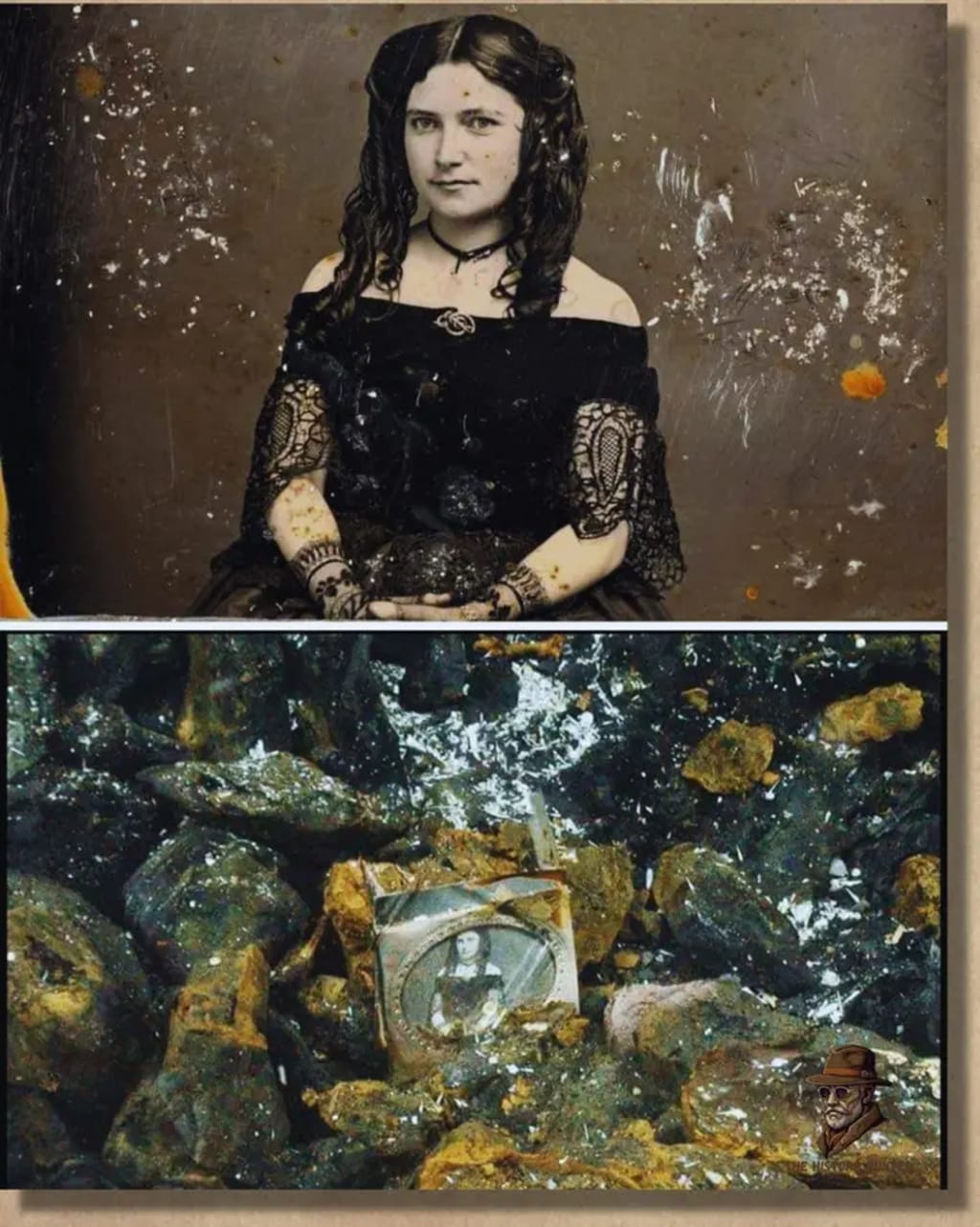
In 2014, a remarkable discovery emerged from the depths of the Atlantic Ocean: a hauntingly beautiful daguerreotype of an unknown lady, found in the wreckage of the SS Central America. Dubbed the "Mona Lisa of the Deep," this photograph is not just a relic of the past—it is a window into the mid-19th century, a time of optimism, expansion, and tragedy.
The SS Central America, often referred to as the "Ship of Gold," sank in 1857, taking with it an extraordinary treasure now valued at over $765 million. Among the artifacts retrieved from the wreck, the daguerreotype stands out for its mystery and poignancy, captivating historians, treasure hunters, and art enthusiasts alike.
The Ill-Fated Voyage of the SS Central America
The SS Central America was a side-wheel steamer that played a crucial role in transporting passengers and gold between Panama and the United States during the California Gold Rush. On September 12, 1857, the ship encountered a catastrophic hurricane off the coast of South Carolina.
Carrying over 500 passengers and nearly 30,000 pounds of gold, the vessel succumbed to the storm. More than 400 lives were lost, along with a fortune that would have a profound economic impact on the United States, contributing to the Panic of 1857.
The ship remained untouched for over a century, lying 7,200 feet below the ocean's surface. It wasn’t until the 1980s that advanced technology enabled explorers to locate the wreck. Subsequent expeditions yielded a treasure trove of artifacts, including gold coins, jewelry, and personal items—but few objects carried the emotional weight of the daguerreotype.
The Mona Lisa of the Deep
Daguerreotypes, an early form of photography invented by Louis Daguerre in 1839, were delicate and intricate. Made by exposing a polished silver plate to light, these photographs were highly prized for their lifelike quality. They were often cherished possessions, used to memorialize loved ones or significant moments.
The daguerreotype found aboard the SS Central America depicts a young woman with a serene yet enigmatic expression. Her identity is unknown, as is the reason for her photograph being on the ill-fated ship. Was she a loved one of a passenger, a keepsake carried for comfort during the journey? Or perhaps she was a symbol of hope for a miner returning home with newfound wealth?
The photograph earned the nickname "Mona Lisa of the Deep" because of its haunting beauty and the sense of mystery that surrounds it. Like Leonardo da Vinci’s masterpiece, it invites endless speculation about the subject’s identity, story, and the emotions captured in that moment.
A Treasure Beyond Gold
While the gold recovered from the SS Central America holds immense monetary value, artifacts like the daguerreotype provide something equally precious: a connection to the human lives touched by the tragedy.
The photograph, preserved in the cold, dark depths of the ocean, offers a glimpse into a bygone era. The intricate details of the woman’s attire, hairstyle, and expression speak volumes about 19th-century culture and society. For historians, the daguerreotype is a valuable artifact that adds depth to our understanding of the people and their world during the mid-1800s.
The Recovery and Preservation
Recovering artifacts from a wreck as deep as the SS Central America is a monumental task. Using advanced remotely operated vehicles (ROVs), explorers carefully retrieved the daguerreotype, along with other treasures. The deep-sea environment played a crucial role in preserving the photograph, protecting it from light, air, and microbial decay.
Once brought to the surface, the daguerreotype underwent meticulous conservation efforts to stabilize and protect it from further deterioration. Today, it is a testament to the craftsmanship of early photography and the enduring power of human connection.
The Mystery of the Unknown Lady
The identity of the woman in the daguerreotype remains unknown, sparking fascination and speculation. Was she someone’s wife, daughter, or sweetheart? Did her image provide comfort to a passenger during the perilous journey? Or was she a symbol of hope and prosperity for someone returning to their family with the promise of a golden future?
Without records or identifying marks, her story is lost to time. Yet, her image continues to resonate, reminding us of the human stories behind historical events.
The Legacy of the SS Central America
The discovery of the SS Central America and its treasures has enriched our understanding of the past. Artifacts like the daguerreotype offer a deeply personal glimpse into the lives of those who lived during the California Gold Rush.
Beyond its historical significance, the "Mona Lisa of the Deep" challenges us to reflect on the fragility of human life and the enduring power of memory. In the face of disaster, the photograph survived, carrying with it the whispers of a forgotten life.
Conclusion
The "Mona Lisa of the Deep" is more than just a photograph; it is a poignant reminder of the lives lost and the stories untold from the tragedy of the SS Central America. As it rests in museums and exhibitions today, it invites viewers to connect with history on a deeply human level.
In the depths of the ocean, surrounded by gold and artifacts, this delicate daguerreotype emerged as one of the most valuable treasures recovered—not for its monetary worth, but for its ability to stir our imaginations and remind us of the human spirit that endures even in the face of catastrophe.
About the Creator
Keep reading
More stories from Deji Akomolafe and writers in Humans and other communities.
Never Underestimate the Work of Others: Understanding the Price of Success
In a world where achievements are celebrated and success is often glamorized, it’s easy to overlook the hard work and sacrifices that underpin those victories. From a distance, another person’s job or journey may appear effortless, but the truth is rarely as simple. As the saying goes, “Every job seems easy when someone else is doing it.” This phrase holds a profound truth about the nature of work, the value of effort, and the unseen struggles behind success.
By Deji Akomolafeabout a year ago in Humans
How Porn Culture Influences Expectations and Real Life
Pornography has become a mainstream cultural force in Western societies. High-speed internet, smartphones, and social platforms have made adult content instantly accessible. For many adults, porn is encountered long before real relationships begin. This early and repeated exposure shapes beliefs about sex, intimacy, bodies, and performance. Understanding its influence helps people separate fantasy from reality and build healthier connections.
By Artical Media2 days ago in Humans
Ludacris and Nelly draw backlash over bookings at MAGA-coded music festival
Ludacris and Nelly headlining a mostly right-wing event is good for them. It’s also great for the genre of hip hop. The two rap veterans have showcased their talents on other stages. Why can’t they perform for mostly MAGA folks and grab that bag?
By Skyler Saunders4 days ago in Beat



Comments
There are no comments for this story
Be the first to respond and start the conversation.