

The concept of "man" is a multifaceted and complex one that has been studied and debated throughout history.
From a biological perspective, a man is an adult male human. Men typically have higher levels of testosterone, which plays a role in the development of secondary sexual characteristics such as facial hair and a deeper voice. Men also typically have a higher muscle mass and a lower body fat percentage than women.
However, the idea of "man" goes beyond just physical characteristics. Throughout history, societies have had different beliefs and expectations about what it means to be a "real" man. In many cultures, men are expected to be strong, brave, and assertive, while women are expected to be more passive and nurturing. These societal expectations can put a lot of pressure on men to conform to a certain image and can lead to toxic masculinity and the suppression of emotions.
It is important to recognize that the concept of "man" is not fixed or universal, and that men can have a wide range of characteristics, interests, and behaviors. The idea of masculinity is constantly evolving, and it's important for society to allow men to express themselves in a way that feels authentic to them.
In recent times, there has been a movement to redefine masculinity in a more positive and healthy way. This includes rejecting harmful stereotypes and embracing qualities such as vulnerability, empathy, and emotional intelligence.
• The socialization of men: The process of socialization is the way in which individuals learn and internalize the norms and values of their culture. Men are often socialized to be strong, independent, and to avoid showing vulnerability. This can lead to men feeling pressure to live up to certain expectations and can make it difficult for them to express their emotions or ask for help.
• Gender roles and stereotypes: Society often has specific ideas about what men and women should be like and what they should do. These gender roles and stereotypes can be limiting and restrict individuals from fully expressing themselves. Men, in particular, may feel pressure to conform to traditional masculine stereotypes such as being unemotional, dominant, and successful.
• Men's health: Men's physical and mental health is an important aspect of the man's identity. Men have a higher life expectancy than women, but they are more likely to die from preventable causes such as heart disease and suicide. Men are also less likely to seek help for mental health issues, which can lead to a higher risk of depression and suicide.
• Fatherhood: The role of fatherhood is an important aspect of the man's identity. Fatherhood can bring a sense of purpose and fulfillment, but it can also come with its own set of challenges. Men are often expected to be the primary breadwinner and to provide for their families, but they may also feel pressure to be involved and present in their children's lives.
• Representation of men in media: The representation of men in media can have a significant impact on how men view themselves and how they are viewed by others. The media often perpetuates harmful stereotypes of men and can perpetuate the idea that men should conform to traditional masculine norms.
Overall, the concept of man is a complex and multifaceted one that encompasses many different aspects of life. It is important for society to recognize the diversity of men and to allow them to express themselves in a way that feels authentic to them.
• societal expectations and stereotypes. Men are often expected to be the initiators and leaders in romantic relationships, and may feel pressure to hide their vulnerability. This can make it difficult for men to form healthy, meaningful relationships.
• Men and education: Men have traditionally been seen as the primary breadwinners and providers in society, and as a result, they may face pressure to pursue careers in fields that are traditionally seen as masculine, such as engineering or finance. This can limit men's choices and opportunities in education and career, and can also lead to a lack of representation in traditionally female-dominated fields such as education and healthcare.
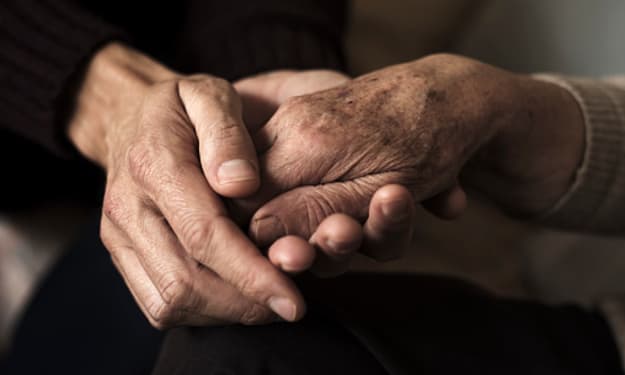
• Men and aging: The aging process can be difficult for men, as societal expectations often view aging as a loss of masculinity. Men may feel pressure to maintain their physical and mental health, and to continue to conform to traditional gender roles and stereotypes.
• Men and diversity: Men come from diverse backgrounds and experiences, and it is important to recognize and celebrate this diversity. Men can be of different races, ethnicities, sexual orientations, and socioeconomic backgrounds, and each group may experience different challenges and pressures.
• Men and activism: Men can play a vital role in advocating for gender equality and challenging harmful stereotypes. Many men are becoming more involved in activism and advocacy, and are working to create a more inclusive and equitable society for all genders.
Conclusion
In conclusion, the concept of "man" encompasses both the physical characteristics of adult males and the societal expectations placed on them. It is important for society to recognize the diversity of men and to allow them to express themselves in a way that feels authentic to them.
About the Creator
Rudhra
I'm a Freelancer and Technical Support person which create contents on Nature and living lifestyle.
I wanted to title this something different, but worried that my chosen title might cause problems entering the United States in the future so this is the new title. It's the greatest title. No one has ever written a title better than this. (All titles unrelated to content).
Let me be honest. I am finding this difficult. Now, I like a challenge, a stretch, a bit of an obstacle course. “Write about the decline of the British Empire in the form of a narrative poem in which your protagonist is an artichoke” I read, and flex my fingers. “Write a haiku to evoke the sensation of sibilance using only the first half of the alphabet.” “Well”, I think to myself, “this should be fun.” But “write about a system that isn’t working”? A system that isn’t working? Now? In 2026? ONE system? My favourite system that isn’t working? The sexiest system that isn’t working? The one giving me the most angst day to day? The one giving me the most existential dread? I am, as I say, finding this difficult. I will own that I have contemplated writing a thousand words on why the steady “all on” setting on my fairy lights is the EIGHTH of seven options which must be sequentially activated to get there, because that is a system that some fool came up with and it definitely doesn’t work, and now who is paying the price, eh? But how can I write about my fairy lights when…. When…. When….
By Hannah Moore5 days ago in Humans
The System to Replace Us
I must confess I use Artificial Intelligence. Not to write, of course. I would never use AI to write anything for me. Not because I am too morally superior to let a machine do my work. Generally speaking, I’m lazy and love shortcuts. The truth is I refuse to use Artificial Intelligence to write because I’m too prideful. I am way too talented of a wordsmith to need AI’s help with writing anything.
By A. J. Schoenfeld4 days ago in Humans
Pearl
1980 something. we all hung out at Pearl and you and i were nothing special, or so i thought. i mean we all danced, drenched in our own sweat, our own saline solution of fear, too many beers, shots, laughter, tears, fucks in the bathroom and i don't know when we began to be afraid. do you?
By ROCK aka Andrea Polla (Simmons)6 days ago in Fiction



Comments
There are no comments for this story
Be the first to respond and start the conversation.