
The Loneliness Epidemic: Why We’re More Connected Than Ever But Feel Alone
Digital friends vs. real connections what’s missing?

Introduction
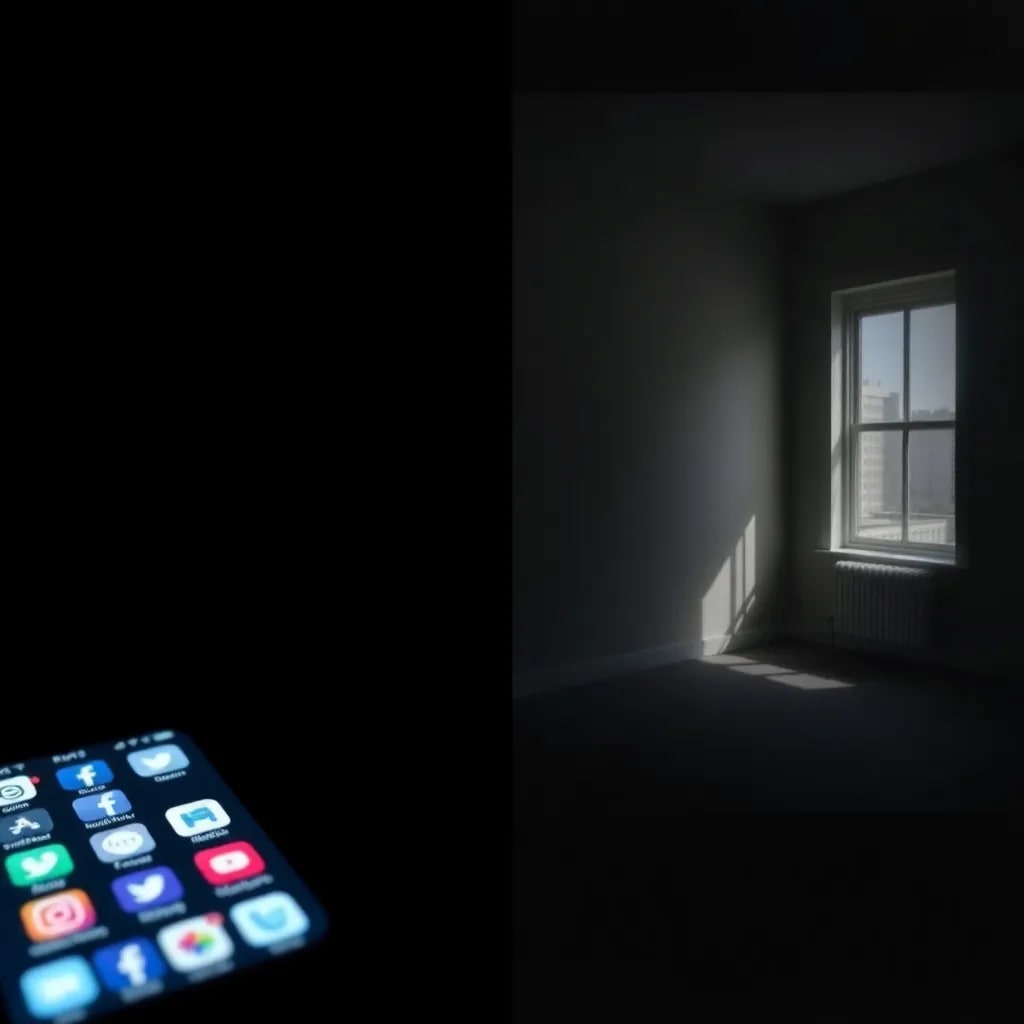
In a world where we can video chat with someone across the globe in seconds, it seems ironic that loneliness has reached epidemic levels. We post highlights of our lives on social media, receive dozens of likes and comments, and yet, many of us still go to bed feeling emotionally isolated. How can we be more digitally connected than ever before but still feel so alone?
Let’s explore the psychology behind modern loneliness, what’s causing this silent epidemic, and how we can rebuild meaningful, real-life human connections in a digital age.
The Illusion of Connection
The rise of smartphones and social media was meant to bring people closer together. In some ways, it has allowing us to maintain long-distance relationships and discover communities that share our passions. But at the same time, it has redefined what connection means.
Today, the connection is often measured by:
The number of followers or friends we have online.
How many people liked our latest post?
Whether our stories are viewed or responded to.
However, these digital interactions often lack depth. According to a study published in the Journal of Social and Clinical Psychology, increased time on platforms like Instagram and Facebook correlates with feelings of social isolation. In essence, the more we scroll, the more disconnected we feel.
The Science of Loneliness
Loneliness isn’t just an emotion it’s a biological signal, much like hunger or thirst. It tells us we need social interaction to survive. Human beings are wired for connection, and our brains respond to isolation with stress, anxiety, and even physical pain.
Dr. Julianne Holt-Lunstad, a leading loneliness researcher, found that chronic loneliness can be as harmful to health as smoking 15 cigarettes a day. It increases the risk of heart disease, depression, and premature death.
And yet, despite living in densely populated cities and having hundreds of online connections, we’re feeling lonelier than ever.
Digital “Friends” vs. Real-Life Relationships
Here’s the truth: a thousand online followers won’t replace one genuine friend you can call at 2 a.m. when life gets hard. Online friendships often stay surface-level unless nurtured in meaningful ways, while real-life interactions sharing a meal, making eye contact, hugging someone create emotional resonance and connection.
A 2020 report by Cigna found that 61% of adults in the U.S. reported feeling lonely, and Gen Z (born 1997–2012), the most connected generation digitally, is also the loneliest.
This disconnect highlights what’s missing: vulnerability, empathy, and presence—three things that don’t translate well through screens.
Signs You Might Be Experiencing Digital Loneliness
You’re constantly online but still feel emotionally empty.
You get likes or messages but still feel unseen or misunderstood.
You’ve replaced real conversations with emojis and memes.
You feel drained after scrolling, not fulfilled.
If these sound familiar, you’re not alone. And it’s not too late to change.
How to Rebuild Real Connection in a Digital World
1. Prioritize Face-to-Face Interactions
Call a friend instead of texting. Plan weekly coffee dates or walks with people who matter. Even a 10-minute in-person conversation can boost oxytocin and reduce feelings of loneliness.
2. Detox From Social Media
Take breaks. Set screen time limits. Use that time to connect in real life or invest in a hobby that brings you joy offline.
3. Be Vulnerable
Real relationships thrive on honesty. Open up about how you’re feeling. Authenticity creates trust, and trust builds meaningful bonds.
4. Join Local Communities or Groups
Whether it’s a book club, fitness class, or volunteer work, shared interests foster genuine interaction. Digital communities are great but real-world support can be life-changing.
5. Practice Active Listening
When you're with others, be fully present. Put the phone away. Look people in the eye. Listen to understand, not to reply.
Final Thoughts
We were never meant to do life alone—but the digital age has made it easy to mistake connection for closeness. If you’re feeling the weight of loneliness despite your notifications buzzing, know that you’re not broken it’s just your brain reminding you of a very real human need: authentic connection.
So let’s not just be connected. Let’s be present, vulnerable, and real because that’s where true connection, and healing, begin.
About the Creator
Fahad Khan
I’m a passionate writer focused on empowering individuals to create positive change in their lives. Through my articles, I explore practical strategies for personal development, productivity, mental health, and mindfulness.
Keep reading
More stories from Fahad Khan and writers in Humans and other communities.
Hidden Gems: 5 Countries You Can Visit on a Budget in 2025
Traveling the world doesn’t have to drain your bank account, especially in 2025, when budget-conscious adventurers can uncover luxurious travel experiences at a fraction of the cost in lesser-known but stunning destinations. While tourist-heavy hotspots like Paris, New York, and Tokyo remain expensive, the world is full of hidden gems that deliver cultural richness, natural beauty, and incredible hospitality without the hefty price tag.
By Fahad Khan9 months ago in Humans




Comments
There are no comments for this story
Be the first to respond and start the conversation.