
The Last Holdout: Hiroo Onoda’s 29-Year Guerrilla War
Honor after war

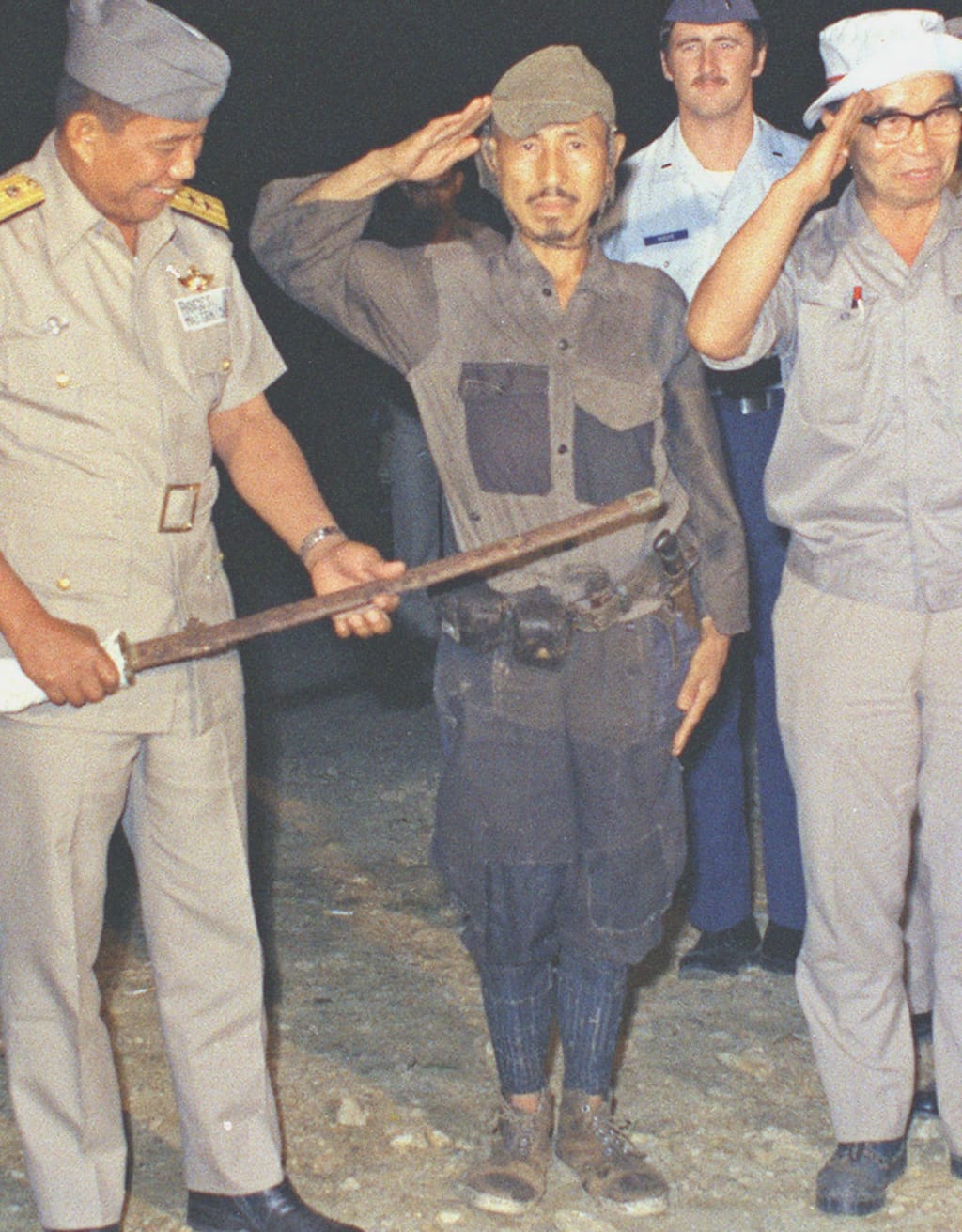
In the story of military history, few stories are as remarkable and poignant as that of Hiroo Onoda, a Japanese soldier who continued to fight for 29 years after World War II had officially ended. Onoda's tale of dedication, endurance, and eventual surrender stands as a testament to the human spirit and the complexities of war. This blog post explores Onoda's extraordinary journey, from his early military career to his life as a guerrilla fighter on Lubang Island in the Philippines, and finally, his return to Japan as a celebrated hero.
Early Life and Military Career
Hiroo Onoda was born on March 19, 1922, in Kainan, Wakayama Prefecture, Japan. He came from a samurai lineage, which instilled in him a strong sense of duty and honor from a young age. In 1942, during the height of World War II, Onoda was drafted into the Imperial Japanese Army. He underwent rigorous training, including intelligence and guerrilla warfare tactics, and was commissioned as a second lieutenant.
Deployment to Lubang Island
In December 1944, as the war in the Pacific intensified, Onoda was deployed to Lubang Island in the Philippines. His orders were clear: disrupt and sabotage enemy operations by destroying the airstrip and the pier at the harbor. Additionally, he was to conduct guerrilla warfare, gathering intelligence and harassing Allied forces. As the war drew to a close, Onoda and his men found themselves isolated and unaware of Japan’s surrender.
The Beginning of the Long War
Despite Japan’s surrender in August 1945, Onoda and his three comrades—Private Yuichi Akatsu, Corporal Shoichi Shimada, and Private First Class Kinshichi Kozuka—continued their mission. Unaware of the war's end, they interpreted any attempts to inform them otherwise as enemy propaganda. For nearly three decades, Onoda and his men lived off the land, raiding villages for supplies and engaging in skirmishes with local authorities and residents.
Life as a Guerrilla Fighter
Living in the dense jungles of Lubang Island, Onoda and his comrades adopted a nomadic existence, constantly on the move to avoid detection. They relied on their training to survive, hunting wild animals, gathering fruits, and stealing food from local farms. They constructed makeshift shelters and maintained their weapons with meticulous care. The group engaged in numerous firefights with local police and civilians, resulting in several casualties on both sides.
The Loss of Comrades
The first to leave the group was Private Akatsu, who surrendered to Filipino forces in 1950 after growing disillusioned with the endless struggle. Onoda and the remaining men dismissed Akatsu as a traitor, convinced that he had been captured and brainwashed. In 1954, Corporal Shimada was killed in a shootout with a Filipino patrol. This loss profoundly affected Onoda, but he remained resolute in his mission. The final blow came in 1972 when Private Kozuka was killed by police during a raid on a rice store.
Attempts to Contact Onoda
Over the years, various efforts were made to inform Onoda of the war’s end. Leaflets were dropped, loudspeakers broadcast messages, and even family members were brought in to call out to him. However, Onoda dismissed these efforts as enemy tricks. It wasn’t until 1974, when a Japanese adventurer named Norio Suzuki ventured into the jungle specifically to find him, that Onoda finally made contact. Suzuki managed to earn Onoda’s trust but found that the soldier would not surrender until he received official orders from his superior officer.
The Surrender
In response to Suzuki’s findings, the Japanese government located Onoda’s former commanding officer, Major Yoshimi Taniguchi, who had since retired and become a bookseller. Taniguchi was flown to Lubang Island, where he personally delivered the orders relieving Onoda of his duty. On March 10, 1974, Hiroo Onoda, dressed in his tattered uniform and wielding his rusted rifle, formally surrendered. He handed over his sword, a symbolic gesture marking the end of his nearly three-decade-long personal war.
Return to Japan and Legacy
Onoda’s return to Japan was met with mixed emotions. While many hailed him as a hero who exemplified the samurai spirit of unwavering loyalty and perseverance, others saw him as a tragic figure whose misguided dedication led to unnecessary suffering. Regardless, Onoda’s story captivated the nation and the world. He was celebrated with a hero’s welcome, and his memoir, "No Surrender: My Thirty-Year War," became a bestseller.
Onoda struggled to adjust to the modern world upon his return. Japan had undergone significant changes during his absence, and he found it difficult to reconcile his wartime experiences with the new societal norms. In 1975, he moved to Brazil, where he ran a cattle ranch. He later returned to Japan and dedicated his life to educating young people about survival skills and perseverance.
Conclusion
Hiroo Onoda's story is a poignant reminder of the complexities of war and the human capacity for resilience and dedication. His 29-year guerrilla campaign on Lubang Island stands as a testament to his unwavering commitment to duty, even in the face of overwhelming odds and isolation. Onoda’s journey from a young soldier to a symbol of enduring loyalty continues to inspire and provoke thought about the nature of duty, honor, and the costs of conflict. His legacy lives on, not only in the history books but also in the hearts and minds of those who seek to understand the profound impacts of war on the human spirit.
About the Creator
Keep reading
More stories from Deji Akomolafe and writers in Humans and other communities.
The Haunting Mystery of Margaret Schilling
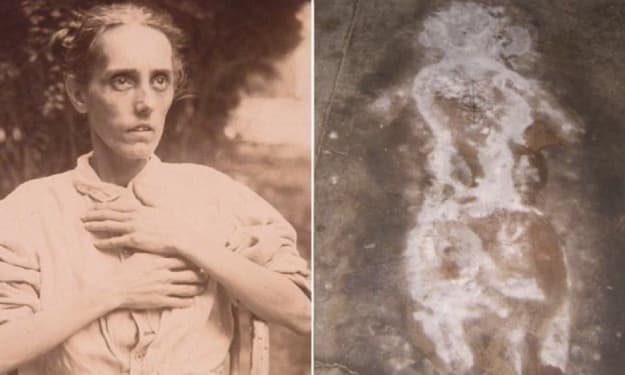
In December 2, 1978, the peaceful routine of the Athens Mental Health and Development Center in Ohio was shattered by the mysterious disappearance of Margaret Schilling. Margaret, a patient at the facility, vanished without a trace, sparking a frantic search by staff and authorities. The bizarre circumstances surrounding her disappearance, rumored to be linked to a game of hide and seek with a nurse, added an eerie dimension to the incident. It wasn’t until January 12, 1979, that her lifeless body was discovered, forever etching her story into local legend and fueling speculation and intrigue.
By Deji Akomolafe2 years ago in Humans
Modern Singles Solve Dating Fatigue Using Lifestyle Adjustments And Emotional Awareness
Fatigue dating is a problem that is becoming increasingly popular among contemporary singles. Emotional exhaustion may be caused by the strains of the online dating process, frequent rejections, and recurring first dates. A person can become stressed by having to work continuously in order to meet new people, keep the conversation going and handle expectations. Such exhaustion tends to kill excitement, self-esteem, and patience, and dating can be seen as a task instead of fun.
By Willian James7 days ago in Humans
A Transparent Look at Vocal Challenges and Top Stories
Almost three years ago, we shared a resource article that served as a place for people to suggest new challenge prompts. We thought it would be a good idea to refresh that thread, and take the opportunity to answer a few common questions about top stories, how challenges are judged and how submissions are reviewed.
By Vocal Curation Team4 days ago in Resources


Comments (1)
I read about him years ago. Great writing