
The Lantern on Maple Street
Lighting the Way to Understanding


Maple Street had always been quiet, but not peaceful. Houses stood shoulder to shoulder, but the walls between neighbors felt thicker than bricks. Rumors, misunderstandings, and long-standing grudges had built invisible barriers over the years. Mailboxes were barely checked, children played mostly indoors, and families avoided eye contact whenever they passed each other. Even the streetlights seemed to flicker uneasily, casting shadows that mirrored the tension in the air.
Ayaan, a young engineer, had recently moved into one of the houses at the far end of the street. From the moment he arrived, he noticed the stillness—an absence of laughter, of greetings, of connection. The street was alive in structure but dead in spirit. Ayaan longed for a sense of community he had known in his childhood: a place where neighbors shared stories, helped each other, and felt genuinely connected.
One chilly autumn evening, as he unpacked boxes in his small living room, Ayaan found an old wooden lantern tucked away in a forgotten corner. The glass was dusty, and the frame bore scratches, but he decided to light it anyway.
He placed it carefully on the front porch and lit the candle inside. The warm, gentle glow spilled across the pavement. Ayaan stepped back, admiring how a simple flame could push away the darkness, even just a little.
The First Spark
By the next evening, curiosity had begun to stir. Mrs. Jameela, an elderly woman from the neighboring house, peered over her fence. Her face, usually set in stern lines, softened at the sight of the flickering light.
“Is that a lantern?” she asked gently.
“Yes,” Ayaan replied, smiling. “I thought maybe it could… brighten the street.
Mrs. Jameela chuckled softly. “It’s lovely. Maybe it can also brighten hearts.”
That night, she returned home and shared the story with her daughter. Something about the warmth of the candle and the intention behind it made her feel hopeful. Others in the street took notice too—some skeptically, others curiously.
Gathering Around the Light
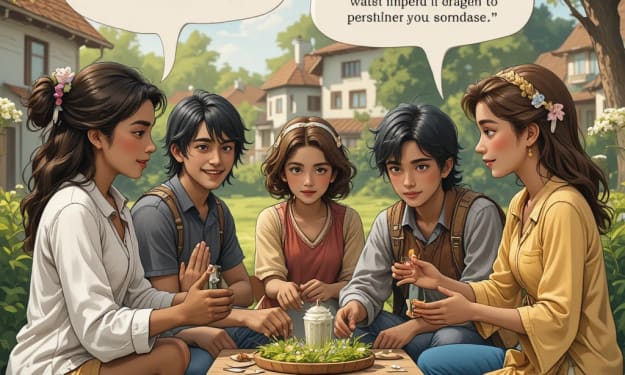
Encouraged by the interest, Ayaan decided to start a small weekly gathering—Lantern Night—where neighbors could meet in the courtyard or on the street, share stories, and perhaps enjoy tea or snacks together.
The first night, only a handful of neighbors appeared: Mrs. Jameela, a young couple named Amir and Sana, and a few curious children. The adults stood awkwardly, shifting from foot to foot, unsure how to start a conversation. The children, however, ran between houses, placing small toys and drawings near the lantern.
Ayaan spoke gently, “This lantern isn’t just for light. It’s a symbol. We light it to remember that we can choose warmth and understanding over silence and suspicion.”
Slowly, the first stories emerged. Mrs. Jameela shared memories of her late husband and her fear of loneliness. Amir and Sana talked about small disputes they’d had with neighbors and how they wished things could be different. Children laughed, telling imaginative tales of heroes and magical creatures that lived on Maple Street.
Building Trust and Connection
Weeks passed, and Lantern Nights became a fixture. Each week, more neighbors joined. With every meeting, the invisible walls on Maple Street crumbled slightly.
Mr. Hashim, a retired carpenter, started helping children carve small wooden figures to leave near the lantern.
Sara, a young mother, began bringing homemade treats to share with neighbors.
Ali, a shy teenager who previously never spoke to anyone, volunteered to set up chairs and clean the street before each gathering.
Even minor disputes—once sources of constant tension—were approached differently. People listened before reacting. Old grudges began to dissolve, replaced with conversations that focused on understanding and empathy rather than blame.
A Night of Transformation
One particularly cold winter evening, Lantern Night became something extraordinary. Snowflakes drifted silently from the sky, covering the street in a soft blanket. Ayaan and neighbors lit multiple lanterns, their glow reflecting off the snow, creating a scene almost magical.
Children placed drawings of hope and forgiveness at the base of each lantern. Adults shared personal stories, including regrets for past misunderstandings. One by one, neighbors apologized to each other, sometimes for long-standing arguments, sometimes for small slights. The lanterns stood witness to these reconciliations, glowing softly in approval.
At that moment, Maple Street felt transformed. The tension that had clung to walls and windows for decades melted into laughter, tears of relief, and warm embraces. For the first time in many years, the street was alive—not with noise, but with connection and peace.
Lessons Learned
As months passed, Lantern Night became more than an event—it became a tradition. The street, once divided by mistrust and silence, was now united by shared moments, small gestures of kindness, and the gentle glow of lanterns.
Ayaan realized that peace isn’t something that can be demanded or forced. It grows slowly, nurtured by patience, empathy, and repeated acts of care. A simple lantern, a small gathering, and the willingness to listen were enough to change hearts.
By spring, Maple Street was transformed. Children played freely outside, neighbors chatted over fences, and strangers became friends. And every night, the lantern on Ayaan’s porch glowed softly, a symbol of what could happen when people chose warmth over suspicion and connection over isolation.
Peace, Ayaan understood, doesn’t always arrive with grand gestures. Sometimes, it begins with a single candle, a shared story, and hearts willing to listen.
About the Creator
M.Farooq
Through every word, seeks to build bridges — one story, one voice, one moment of peace at a time.
The steps to losing a child
Step One: Lose a child. Not what anyone wants to happen and nothing you can do to change it, but you can go through steps to becoming happy again. You can go through steps to loving again. You can go through steps to become a new you because after losing a child you will never be the same person you once were.
By Tabitha Hinkley4 days ago in Fiction


Comments
There are no comments for this story
Be the first to respond and start the conversation.