
The impact of social media on mental health
As social media continues to play an increasingly prominent role in our lives, it's worth taking a moment to consider the potential impact it can have on our mental health. While social media can be a great way to connect with friends and family, share experiences, and find community, there are also a number of ways in which it can .........

As social media continues to play an increasingly prominent role in our lives, it's worth taking a moment to consider the potential impact it can have on our mental health. While social media can be a great way to connect with friends and family, share experiences, and find community, there are also a number of ways in which it can negatively affect our well-being.
One of the most obvious ways in which social media can impact our mental health is through comparison. When we see other people's carefully curated highlight reels on social media, it can be easy to feel like we're not measuring up. This can lead to feelings of inadequacy, low self-esteem, and even depression.
Another issue with social media is that it can contribute to a sense of isolation. While social media can connect us with people from all over the world, it can also create a sense of distance from the people in our immediate surroundings. Spending too much time scrolling through our feeds can leave us feeling disconnected from the people around us, which can be damaging to our mental health.
Social media can also be a breeding ground for negativity and conflict. When we engage with others online, it's easy to get caught up in arguments, trolling, and other negative interactions. This can lead to feelings of stress, anxiety, and frustration.
Finally, social media can be addictive, which can also take a toll on our mental health. When we're constantly checking our feeds, we're not allowing ourselves the time and space to disconnect and recharge. This can lead to feelings of burnout and overwhelm.
While social media can be a valuable tool for staying connected and building community, it's important to be mindful of the potential impact it can have on our mental health. By setting boundaries, practicing self-care, and being intentional about how we engage with social media, we can minimize the negative effects and enjoy the many benefits that social media has to offer.
One way to mitigate the negative impact of social media on mental health is to practice mindfulness when using these platforms. This means being aware of how much time we spend on social media, as well as the types of content we're consuming. By taking a mindful approach to social media, we can avoid getting sucked into negative interactions and overwhelming ourselves with information.
Another strategy for managing the impact of social media on mental health is to prioritize in-person connections. While social media can be a great way to stay connected with friends and family who are far away, it's important to also cultivate meaningful relationships with people in our immediate surroundings. This can help us feel more grounded and connected, which can be especially important during times of stress or uncertainty.
In addition to setting boundaries and prioritizing in-person connections, it's also important to be aware of the signs of social media addiction. If you find yourself constantly checking your phone for notifications, experiencing anxiety or stress when you're away from social media, or neglecting other aspects of your life in order to spend more time online, you may be struggling with social media addiction. In this case, it may be helpful to seek support from a mental health professional or a support group for people struggling with technology addiction.
Ultimately, the impact of social media on mental health will vary from person to person, depending on a range of factors including individual temperament, life circumstances, and patterns of social media use. By being mindful, setting boundaries, and prioritizing self-care, however, we can minimize the negative impact of social media on our mental health and enjoy the many benefits that these platforms have to offer.
It's also important to recognize that social media platforms have a responsibility to promote positive mental health outcomes among their users. This includes taking steps to minimize harmful content, addressing online harassment and bullying, and promoting healthy online interactions. Social media companies can also play a role in raising awareness about mental health issues, providing resources for users who may be struggling, and connecting users with mental health professionals.
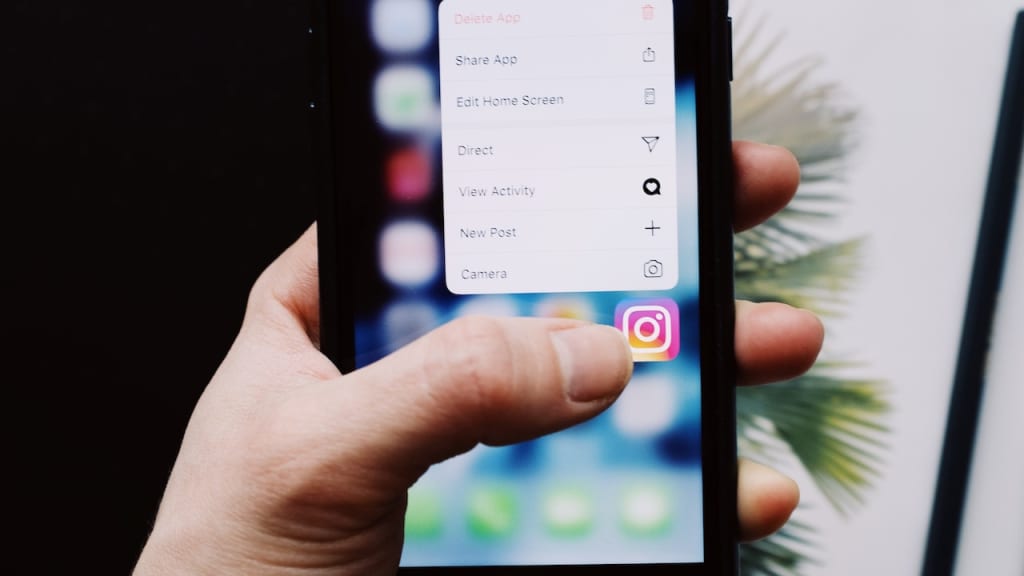
In recent years, there has been growing awareness of the potential impact of social media on mental health, and many social media companies are beginning to take steps to address these issues. For example, Instagram has launched a number of features aimed at promoting positive mental health, including tools to manage time spent on the platform, options to hide likes, and resources for users who may be struggling with mental health issues.
Ultimately, the impact of social media on mental health is a complex and multifaceted issue, and there is still much we don't know about how social media use affects our well-being. By being mindful, setting boundaries, and prioritizing self-care, however, we can minimize the negative impact of social media on our mental health and enjoy the many benefits that these platforms have to offer. And by working together, users and social media companies alike can help create a healthier, more positive online environment for everyone.
Another important aspect to consider is the impact of social media on body image and self-esteem. Social media is full of images of "perfect" bodies, carefully curated and often edited to create an idealized image of beauty. This can be damaging to our self-esteem, particularly for those who are already struggling with body image issues or eating disorders. In addition, social media can create pressure to conform to certain beauty standards, which can be both unrealistic and unhealthy.
To address these issues, it's important to be mindful of the types of content we consume on social media, and to seek out positive role models who promote body positivity and self-acceptance. It's also important for social media companies to take steps to promote diversity and inclusivity, and to create policies that discourage harmful content related to body image and self-esteem.
Finally, it's worth noting that social media can also have a positive impact on mental health. For example, social media can be a powerful tool for building community, connecting with others who share similar interests or experiences, and providing a sense of support and belonging. Social media can also be a source of inspiration, creativity, and learning, providing opportunities for personal growth and development.
The impact of social media on mental health is complex and multifaceted. While there are certainly ways in which social media can negatively affect our well-being, there are also many positive aspects to these platforms. By being mindful, setting boundaries, and prioritizing self-care, we can minimize the negative impact of social media on our mental health and enjoy the many benefits that these platforms have to offer. At the same time, it's important for social media companies to take responsibility for promoting positive mental health outcomes among their users, and to create an online environment that is safe, supportive, and inclusive for everyone.
Overall, the impact of social media on mental health is a topic of ongoing research and debate, and it's important for individuals, mental health professionals, and social media companies alike to continue to explore ways to promote positive mental health outcomes in the digital age. By being aware of the potential risks and benefits of social media, and by taking steps to minimize the negative impacts and maximize the positive, we can help create a healthier, more positive online environment for everyone.
About the Creator
Santhosh Ramesh
An eccedentesiast human who was loving to create contents and journaling.
Consider subscribe me for more contents.
Keep reading
More stories from Santhosh Ramesh and writers in Humans and other communities.
Psychological facts !
Psychological Facts Blog. Psychology is the scientific study of human behavior, thoughts, and emotions. It seeks to understand how our minds work, what motivates us, and why we behave the way we do. Through years of research, psychologists have uncovered many fascinating psychological facts that shed light on the complexities of human nature. In this article, we'll explore 10 of the most interesting psychological facts you need to know.
By Santhosh Ramesh 3 years ago in Humans
Lost and Alone in the French Alps
Looking back, I can trace some of my life’s biggest adventures to a simple action from my sister. She’d introduced me to Tommy (a very long time ago), a colleague of hers, who had overshared his penchant for Italian-looking women, and I ticked that box.
By Chantal Christie Weiss20 days ago in Humans
Overkill
Love, love, love. We love everything. We love our dogs, our cats, our homes. We love our cars, our new snowboard, this new book. Love. The word used to mean something. One did not use that word for mundane things. It was revered and used in beautify longing poetic verse. Some of the most prolific writers, wrote sonnets, lyrics, odes, to the emotion of love, once saved and cherished for a one and only. Now it’s used like the word like, but a little stronger.
By Alexandra Grant5 days ago in Humans



Comments
There are no comments for this story
Be the first to respond and start the conversation.