
The Impact of NGO Programs on Youth Development in India
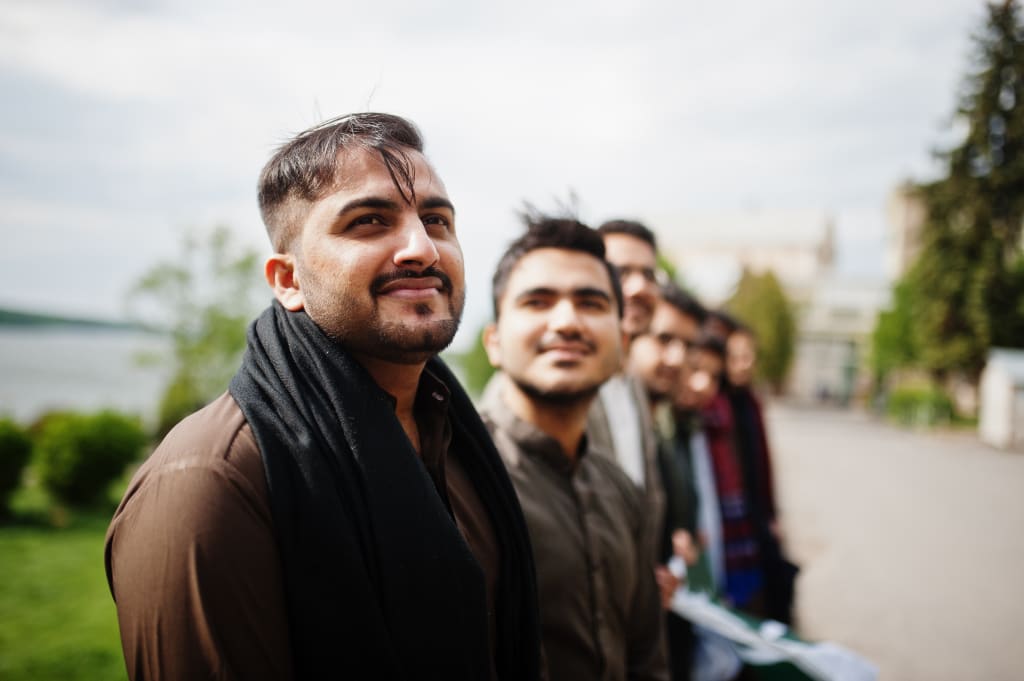
Youth development is a critical aspect of shaping the future of any nation. In India, it is vital to empower and uplift a significant portion of young individuals in the population. Non-Governmental Organizations (NGOs) are essential in filling gaps in government initiatives and creating impactful programs aimed at youth development. This blog post explores the impact of NGO programs on youth development in India, highlighting their crucial role in transforming lives and fostering positive social change.

Empowering through Education
Education is one of the primary areas where NGOs significantly impact youth development. Many NGOs in India focus on providing quality education and educational support to marginalized and underprivileged youth. These programs often include scholarships, tuition assistance, mentoring, and access to educational resources. These initiatives help young people overcome the education gap, which allows them to escape poverty and have a better future. NGOs provide an inclusive learning environment, emphasizing skill-building, vocational training, and entrepreneurship, equipping young individuals with the necessary tools to thrive in today's competitive world.
Health and Well-being
NGOs also make significant contributions to the health and well-being of young people. Numerous non-governmental organizations operate medical initiatives aimed at young people living in rural and isolated regions where medical care may not be readily available. These programs include awareness campaigns, health check-ups, immunizations, and counseling services. By addressing health issues and promoting preventive measures, NGOs ensure that the youth can lead healthy lives and focus on personal and educational growth. Additionally, NGOs actively engage in mental health initiatives, recognizing the increasing prevalence of mental health challenges among the youth. Through counseling and support programs, they create safe spaces for young individuals to discuss and address their mental health concerns.
Skill Development and Empowerment
NGOs in India have recognized the importance of empowering youth through skill development programs. These initiatives aim to equip young individuals with practical skills and knowledge that enhance their employability and self-reliance. NGOs conduct workshops, vocational training programs, and entrepreneurship development initiatives to impart skills ranging from digital literacy and financial management to leadership and communication skills. By fostering an entrepreneurial mindset and providing avenues for self-employment, these programs empower youth to become job creators rather than job seekers, contributing to economic growth and social development.
Social Engagement and Civic Participation
NGOs encourage active citizenship and civic participation among the youth, enabling them to engage with their communities and contribute to social change. They organize youth-led initiatives, volunteer programs, and community service projects, instilling a sense of social responsibility and empathy in young individuals. By involving the youth in decision-making processes and advocacy campaigns, NGOs empower them to address societal issues and voice their opinions on matters that affect their lives. This active participation contributes to personal growth and development and creates a generation of socially aware and responsible citizens.
Gender Equality and Empowerment
NGOs are crucial in promoting gender equality and empowering young women in India. They work towards eliminating gender-based discrimination, violence, and stereotypes. Through education and awareness programs, NGOs empower young girls to overcome societal barriers, access equal opportunities, and make informed choices about their futures. These initiatives not only uplift individual lives but also contribute to breaking down systemic gender inequalities and fostering a more inclusive society.
Conclusion
NGO programs have a profound impact on youth development in India. By addressing various aspects such as education, health, skill development, social engagement, and gender empowerment, NGOs create a nurturing ecosystem that empowers young individuals to realize their full potential. These programs not only uplift the lives of the youth but also contribute to the overall progress and development of the nation. As social activists, social welfare enthusiasts, and youth themselves, we need to recognize and support the invaluable work done by NGOs in shaping the future of India. By joining hands with these organizations and advocating for their initiatives, we can collectively create a brighter and more inclusive future for the youth in our country.
About the Creator
CHINAR International
CHINAR was launched in 2003 in northern Virginia for the rehabilitation of orphans and vulnerable children in conflict areas. Between 2004 and 2011, CHINAR successfully ran a pilot project called CHINAR Home in Kashmir India
Keep reading
More stories from CHINAR International and writers in Humans and other communities.
The Role of NGOs in Child Development
Every child deserves a nurturing and safe environment to grow and thrive. Sadly, not all children can access the resources and support they need for optimal development. This is where non-governmental organizations (NGOs) play a crucial role. In this blog post, we will explore NGOs' significant impact on child development and how their efforts empower future generations. This article is specifically tailored for social welfare workers and social service workers dedicated to creating positive change in the lives of children.
By CHINAR International3 years ago in Humans
Lifestyle Problem-Solving Tips For Singles Facing Monogamous Relationship Struggles
It is essential to realize your own trends when operating within the monogamous relationships. Most of the times, singles get into relationships with expectations that have been influenced by past life interactions, family or social expectations. The recognition of these patterns will assist in identification of habits that could cause recurrent battles such as fear of commitment, over attachment, or idealization. These tendencies can be revealed through journaling, self-reflection and open conversations with friends or mentors. The knowledge of individual tendencies enables singles to go into relationships with fresh eyes, minimize avoidable conflict, and make willful decisions that do not contradict their values. This knowledge is the basis of healthier monogamous relationships.
By Willian Jamesabout 10 hours ago in Humans



Comments
There are no comments for this story
Be the first to respond and start the conversation.