
The Illusion of Time: How Faces, Names, and Dreams Shape Perceptions
Science


Vsauce explores the intriguing concept of the illusion of time, diving into the mysteries of how faces, names, and dreams shape our perceptions. From the curious phenomenon of retrospective aging, where people from the past seem to appear older, to the fascinating link between facial features and names, Vsauce unravels the complexities of human perception.
The exploration begins with a look at Qatar's transformation, using grand infrastructure projects and sports events to position itself on the global stage. This sets the stage for understanding how societal shifts and soft power play a role in shaping perspectives over time.
The discussion on retrospective aging delves into social media comparisons and the broader question of whether individuals genuinely appeared older in the past or if it's an illusion created by selective examples. Research from Yale and USC provides insights into the real factors contributing to slower aging today, such as lifestyle changes and improved healthcare.
Vsauce's journey continues with a deep dive into the face-name matching effect, revealing studies that suggest people can surprisingly guess a stranger's name based on facial features. This phenomenon is explored in connection with societal expectations, self-fulfilling prophecies, and the intriguing concept of the Dorian Gray effect.
The exploration of dreams takes us on a historical journey, examining the shift from colorful dreams to black and white, paralleling the rise and fall of black and white TV and movies. Vsauce challenges the notion of whether dreams are influenced by external factors or if our understanding of them is shaped by societal trends.
The episode takes a whimsical turn with the mention of time-traveling hipsters, unraveling the story behind a photograph from 1941 that sparked speculation. While debunking the time-travel narrative, it opens up discussions about how fashion and behavior inadvertently shape future perceptions of different eras.
In the concluding reflections, Vsauce encourages viewers to ponder the influence of names on appearance, the elusive nature of dreams, and the enduring fascination with time-traveling enigmas. The illusion of time, as explored in this episode, leaves us contemplating the intricate interplay between faces, names, and dreams in shaping our understanding of age and reality.
At the age of 18, Carl Sagan looked like a teenager, but delve into an old high school yearbook, and you'll find teenagers who appear surprisingly mature. This intriguing phenomenon, known as retrospective aging, prompts us to ask: Did people used to look older in the past, and why does it seem that way?
Social media is flooded with comparisons – parents in their early twenties, athletes in their prime, and celebrities at the peak of their youth. A curious Twitter user, Brandon McCarthy, sparked a wave of shared images, questioning whether people from earlier generations genuinely appeared more mature. The juxtaposition of Elizabeth Taylor at 17 and high school students from the '70s fuels the perception that something about the past made individuals seem older than their years.
To unravel this mystery, we journey through the shifts in Qatar, the face-name matching effect, and the curious case of time-traveling hipsters. But first, let's address the core question: Is retrospective aging a real phenomenon or merely an illusion fueled by selective examples?
Recent research from Yale and USC sheds light on the reality of humans aging more slowly today than in the past. Lifestyle changes, improved nutrition, decreased smoking habits, advancements in healthcare, early-life conditions, and the widespread use of sunscreen contribute to this phenomenon. The study suggests that 60 is the new 50, indicating a slower aging process in recent decades.
However, the illusion of retrospective aging persists. Fashion, hairstyles, and societal norms play a significant role in how we perceive age. As we explore this concept, Vsauce delves into the quirky world of face-name matching. Studies reveal that people can surprisingly guess a stranger's name based on facial features, indicating a peculiar connection between names and appearances.
Drawing parallels with the Dorian Gray effect, Vsauce explores the idea that a person's appearance can come to reflect the name they were given. The face-name matching effect goes beyond mere associations, impacting how individuals carry themselves and fulfill societal expectations linked to their names.
Further, the episode delves into the concept of dreams and their connection to black and white imagery. Vsauce explores the historical shift in dream reporting from color to black and white, correlating with the prevalence of black and white TV and movies. The discussion raises questions about the elusive nature of dreams and how external factors shape our perceptions.
In a whimsical turn, Vsauce introduces the idea of time-traveling hipsters, highlighting an intriguing photograph from 1941 that sparked conspiracy theories. While debunking the time-travel narrative, it leads to a fascinating exploration of how people dress and behave, inadvertently shaping future perceptions of different eras.
The episode concludes with a reflection on the ever-changing nature of societal norms, fashion, and perspectives on age. Vsauce challenges viewers to consider the influence of names on appearance, the complexities of dreaming, and the enduring fascination with time-traveling enigmas.
As we navigate the illusion of time, Vsauce leaves us pondering the intricacies of how faces, names, and dreams intertwine to shape our perceptions of age and reality.
About the Creator
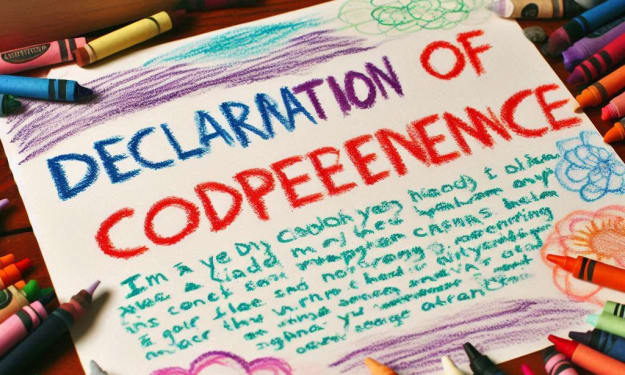
A Historic Declaration
We the People of the Husbands of the United States of America, in Order to form a more perfect Union, and I mean you...with me...establish Justice, insure domestic Tranquility, provide for the common defence, promote the general Welfare, and secure the Blessings of Liberty to ourselves, after Puberty, do ordain and establish this Declaration of Co-Dependence.
By Gerard DiLeo11 days ago in Humans
Lessons In Love Help Avoid Mistakes Heartbreak And Misunderstandings Frequently
Love is also a process that can learn important lessons in the course of time. Even though all relationships are peculiar, major pitfalls, heartbreaks, and misunderstandings can be prevented easily as long as the lessons learned in the past are applied. Looking back at the past relationships, learning about one emotional patterns, and observing healthy unions all will help an individual grow. These love lessons steer people to healthier and more rewarding relationships at the least possible pains and discord. Having a conscious approach towards relations can help individuals sail the seas of love without being caught in the negativity and emotional ignorance.
By Willian James2 days ago in Humans



Comments
There are no comments for this story
Be the first to respond and start the conversation.