
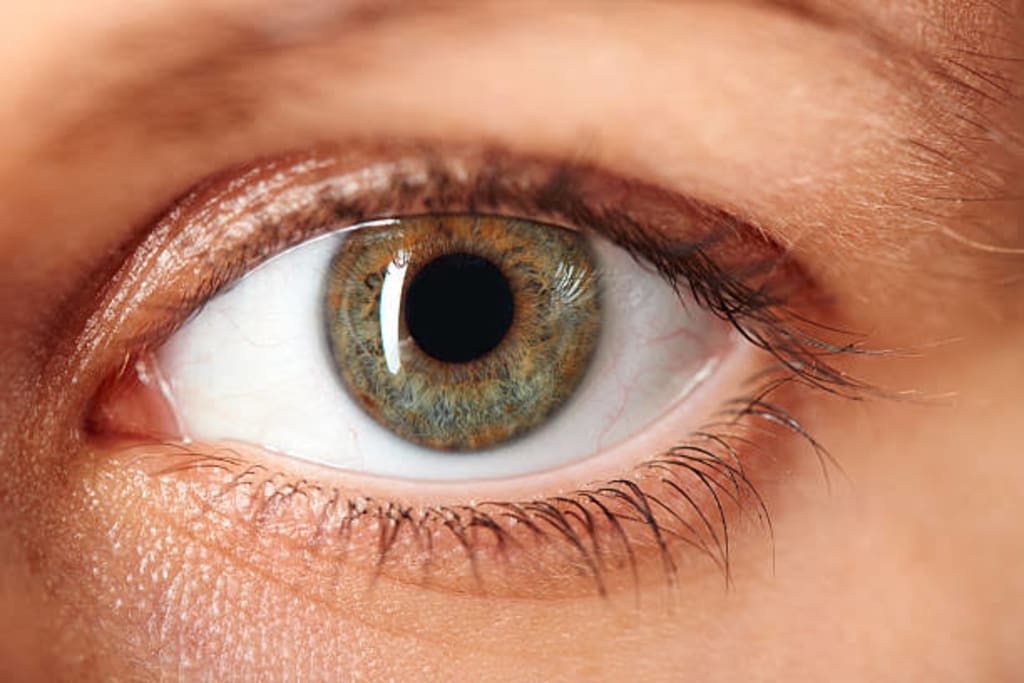
The human eye is an organ that is capable of detecting light and converting it into electrical signals that can be interpreted by the brain. It is located in the orbital cavity of the skull and is protected by the orbital bones and various muscles and ligaments. The eye has a number of important features, including the cornea, iris, pupil, lens, retina, and optic nerve. The cornea is a transparent layer at the front of the eye that helps to focus light, while the iris is a muscular ring that surrounds the pupil and controls the amount of light that enters the eye. The pupil is a small, circular opening in the center of the iris that allows light to pass through to the lens. The lens is a transparent structure that helps to focus light on the retina, which is a layer of light-sensitive cells at the back of the eye. The optic nerve is a bundle of nerve fibers that carries visual information from the retina to the brain.
The Anatomy and Function of the Human Eye
Common Eye Problems and How to Treat Them
The Role of the Eye in Vision and Perception
The Anatomy and Function of the Human Eye:
The human eye is a complex organ that plays a vital role in our ability to see and interpret the world around us. It is made up of several different parts, each with its own specific function.
The main parts of the eye include:
Cornea: The cornea is a transparent layer at the front of the eye that helps to focus light. It is made up of several layers of cells and is responsible for about two-thirds of the eye's total focusing power.
Iris: The iris is a muscular ring that surrounds the pupil. It is responsible for controlling the amount of light that enters the eye by constricting or dilating the pupil.
Pupil: The pupil is a small, circular opening in the center of the iris that allows light to pass through to the lens.
Lens: The lens is a transparent, flexible structure that is located behind the iris. It helps to focus light on the retina by changing shape.
Retina: The retina is a layer of light-sensitive cells at the back of the eye. It is responsible for converting light into electrical signals that can be interpreted by the brain.
Optic nerve: The optic nerve is a bundle of nerve fibers that carries visual information from the retina to the brain.
The function of the human eye is to detect and process light, which is essential for our ability to see. When light enters the eye, it passes through the cornea and the pupil before reaching the lens. The lens then focuses the light onto the retina, where it is converted into electrical signals. These signals are then transmitted to the brain via the optic nerve, where they are interpreted as visual information
Common Eye Problems and How to Treat Them:
There are many different types of eye problems that can affect people of all ages. Some common eye problems include:
Dry eye: Dry eye is a condition in which the eye does not produce enough tears, or the tears that are produced do not have the right balance of chemicals. Symptoms of dry eye include eye dryness, redness, and discomfort. Treatment for dry eye may include artificial tears, warm compresses, and medications.
Conjunctivitis: Conjunctivitis, also known as pink eye, is an inflammation of the conjunctiva, the thin, clear layer that covers the white part of the eye and the inner surface of the eyelid. Symptoms of conjunctivitis include redness, itching, and discharge from the eye. Treatment for conjunctivitis may include antibiotics, antihistamines, and warm compresses.
Glaucoma: Glaucoma is a group of eye diseases that damage the optic nerve, which can lead to vision loss. It is often caused by high pressure inside the eye. Symptoms of glaucoma may include difficulty seeing at night and peripheral vision loss. Treatment for glaucoma may include medications, laser surgery, or traditional surgery.
Cataracts: Cataracts are a clouding of the lens of the eye, which can cause vision loss. Symptoms of cataracts may include blurry vision, glare, and difficulty seeing at night. Treatment for cataracts may include surgery to remove the clouded lens and replace it with an artificial lens.
Macular degeneration: Macular degeneration is a condition that causes deterioration of the central part of the retina, known as the macula. It is a leading cause of vision loss in people over the age of 50. Symptoms of macular degeneration may include difficulty seeing fine details, straight lines appearing crooked, and a reduction in central vision. Treatment for macular degeneration may include medications, vitamins, and low vision aids.
If you are experiencing any eye problems, it is important to see an eye doctor for a proper diagnosis and treatment plan.
The Role of the Eye in Vision and Perception:
The eye plays a critical role in vision and perception by detecting and processing light. When light enters the eye, it passes through the cornea and the pupil before reaching the lens. The lens then focuses the light onto the retina, which is a layer of light-sensitive cells at the back of the eye. The retina converts the light into electrical signals and sends them to the brain via the optic nerve.
The brain then interprets these signals as visual information, allowing us to see and perceive the world around us. In addition to detecting light, the eye also helps to regulate the amount of light that enters the eye. This is done through the iris, a muscular ring that surrounds the pupil and constricts or dilates the pupil in response to changing light levels.
The eye is also responsible for maintaining a clear image by constantly adjusting the focus of the lens. This process, known as accommodation, allows the eye to focus on objects at different distances.
Overall, the eye plays a vital role in our ability to see and perceive the world around us. It allows us to interpret light and color, and to see objects in three dimensions.
About the Creator
Keep reading
More stories from B.Thanga Raj and writers in Humans and other communities.
When the Shelter Closes
Across the street from my house, a man slept under a tree, his dog by his side. My first, naive thought: he must be traveling through. But he kept coming back, often sleeping there during the day. Then it hit me—that person might not have a home.
By Bride of Sound3 days ago in Humans




Comments
There are no comments for this story
Be the first to respond and start the conversation.