
"The Human Circulatory Odyssey: Unraveling the Marvel of 60,000 Miles"
The fact that the circulatory system is more than 60,000 miles long
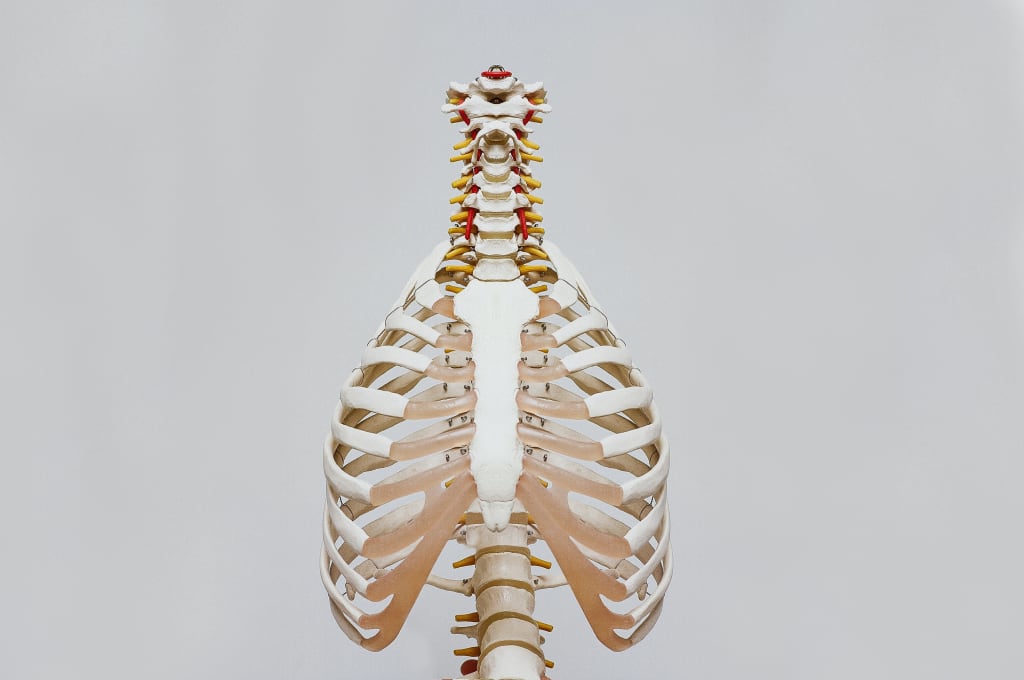
Introduction:
Within the intricate tapestry of the human body, a remarkable network weaves its way, connecting every organ, tissue, and cell—a vast highway known as the circulatory system. What many may not realize is the astonishing scale of this biological marvel, stretching over 60,000 miles in a relentless journey to sustain life. In this exploration, we embark on a captivating voyage through the arteries, veins, and capillaries, unraveling the extraordinary lengths of the human circulatory system.
Chapter 1: The Anatomy of Circulation
The circulatory system, also known as the cardiovascular system, comprises the heart, blood vessels, and blood. It serves as the body's transportation system, delivering vital nutrients, oxygen, and hormones to every cell while simultaneously removing waste products. At the heart of this intricate machinery lies a complex network that stretches farther than one might fathom.
Chapter 2: The Beating Heart
At the epicenter of the circulatory system stands the heart, a tirelessly pumping organ that propels blood throughout the body. Comprising four chambers—two atria and two ventricles—the heart orchestrates a rhythmic dance that maintains the flow of life-sustaining fluids. The heartbeat echoes the symphony of circulation, setting the pace for the ceaseless journey of blood.
Chapter 3: The Arterial Expressways
From the heart, blood embarks on its journey through a network of arteries, the robust vessels designed to carry oxygenated blood away from the heart and towards the body's tissues. These arterial expressways, with their muscular walls, branch out into smaller vessels, ensuring a well-coordinated distribution of nutrients and oxygen to every nook and cranny of the body.
Chapter 4: The Microscopic Capillary Crossroads
As arteries traverse the body, they eventually give rise to a vast network of capillaries, microscopic vessels with walls thin enough to allow the exchange of gases, nutrients, and waste products with surrounding tissues. The capillaries form an intricate crossroads where the circulatory system's mission transforms into a cellular dialogue, ensuring the sustenance of every living cell.
Chapter 5: The Venous Return
Having completed their mission, blood, now laden with waste products, returns to the heart through a network of veins. These vessels, equipped with valves to prevent backflow, guide blood back to the heart, where the cycle begins anew. The journey of blood from the smallest capillaries to the mighty heart and back exemplifies the harmonious balance of the circulatory symphony.
Chapter 6: The Labyrinthine Vascular System
Quantifying the length of the circulatory system unveils a labyrinthine vascular landscape. The arteries, veins, and capillaries collectively extend over an astonishing 60,000 miles. To put this into perspective, it's as if a single blood cell were to embark on a journey equivalent to circling the Earth more than twice, a testament to the intricate design of the human circulatory highway.
Chapter 7: Adaptations for Efficiency
The sheer scale of the circulatory system isn't a product of random chance. Evolution has fine-tuned this intricate network to maximize efficiency. The branching structure of arteries and veins, the microscopically thin walls of capillaries, and the rhythmic contraction of the heart—all these adaptations work in unison to ensure the swift and precise delivery of vital resources.
Chapter 8: The Dynamic Circulatory Dance
The circulatory system isn't a static entity but a dynamic dance that adapts to the body's needs. In response to various factors such as exercise, stress, or temperature changes, the circulatory system modulates blood flow to maintain equilibrium. The ability of the vascular system to dilate or constrict vessels exemplifies its adaptability and responsiveness.
Conclusion: Celebrating the Vascular Odyssey
As we delve into the marvels of the human circulatory system, we find ourselves captivated by the grandeur of a journey that spans 60,000 miles. Beyond its quantitative magnitude, the circulatory system reveals a poetic narrative of life, delivering the sustenance of existence to every corner of the body. In celebrating the vascular odyssey, we gain a newfound appreciation for the intricacies that underlie the vitality of the human body—a testament to the symphony of life that echoes through every heartbeat and vessel.
About the Creator
Keep reading
More stories from fatima zahra ajankar and writers in Humans and other communities.
"Sudan's Hidden Treasures: Exploring the Land of a Thousand Pyramids".
Introduction: When we think of pyramids, the iconic structures of ancient Egypt immediately come to mind. However, hidden in the sands of Sudan lies a treasure trove of archaeological wonders that might surprise many—the country boasts more pyramids than any other nation on Earth. In this article, we embark on a journey to unravel the mysteries and marvels of Sudan's extensive pyramid fields, shedding light on a lesser-known chapter in the history of ancient civilizations.
By fatima zahra ajankar2 years ago in Humans
Whiskey At Dusk
Guess the whiskey was more important to you in the end, wasn’t it? It was more than the well-being of your friends; more vital than showing up to the places you promised you would and could come to; more critical of a matter than fulfilling your damn responsibilities and getting the press off your back.
By Snarky Lisaa day ago in Humans
Moody Foodie
I’ve had a contentious relationship with tuna fish pretty much since I was born. It was a favorite of my father’s, and he would eat it with homemade “Russian dressing,” aka ketchup and mayonnaise… a horrible goopy pink that still makes me want to hurl when I think about it.
By Synecdocheabout 2 hours ago in Humans



Comments
There are no comments for this story
Be the first to respond and start the conversation.