
The History of Oversized Fashion: From Retro to Modern Trends
A Timeless Evolution of Style and Expression


The fashion world is like an ever-moving kaleidoscope, constantly redefining its inspirations and meanings: heading back in time, then looking forward, to making something entirely innovative once again. Oversized fashion is definitely part of this list.
The history of oversized fashion—characterized by broad silhouettes, and relaxed fits—has over the years spread its wings.
From the sartorial defiance of flappers in the 1920s to the streetwear icons of today, oversized fashion has reflected cultural changes and shifts in society.
Well, this is a tribute to the enduring spirit of rebellion, freedom, and innovation that has shaped oversized fashion throughout the decades.
The Roots of Oversized Fashion
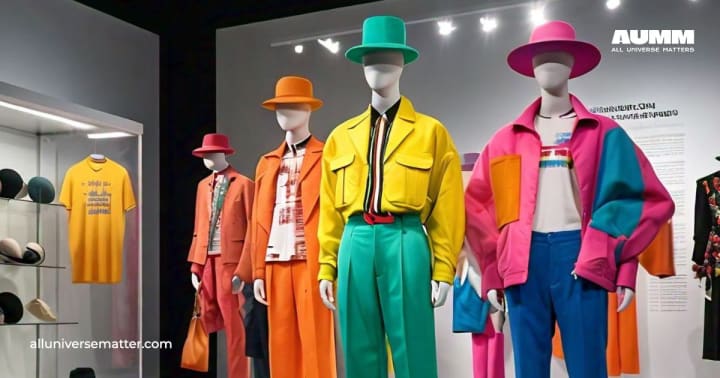
Don't you want to know where it all started?
Let’s go back in time then!
The 1920s: Flappers and Freedom
First of all, the oversized trend bloomed in the 1920s with the emerging movement of flappers.
The basically unbendable women of that very time, who wanted nothing but freedom from throttlings of corsets and dresses, started wearing loose, dropped-waistline dresses for easier movements reflecting new social freedom—enfranchisement, to be specific.
It was indeed an irregularly different pace of fashion from the previous ages of style toward a more relaxed silhouette than ever.
Imagine it, jazz women in their loose, flowing garments, who dance the night away, finally free.
All personal expression in fashion was going against the norm in this period.
1930s and 1940s: Scarce Finances and War Urges
The Great Depression and World War II were times that made fashion much more practical.
On account of such economic restrictions, many women couldn't afford new clothes and hence tried, as much as possible, to restrict themselves to remodeling what they had.
Oversized clothes were practical and meant adjustments or modifications were made at will.
Fabric rationing also encouraged even looser fitting; women would often take to wearing their husbands' and fathers' oversized shirts and jackets with a certain panache born of necessity.
This gives an insight into the resilience and resourcefulness of fashion during such trying times.
The 1980s: Power Suits and Gender Fluidity
Fast forward to the 1980s, big was back with an attitude, literally.
It was this decade that brought fashion in power suits for women, broadly excepted in boxy, streamlined silhouettes fine-tuned.
Considered against the abstract notion of revolutionizing women's wear to work, it was actually designers such as fashion giants Calvin Klein and Giorgio Armani who did something for the fair sex, their designs gave the women strength to pick a place and retaliate against the drab masculine workplace.
Designers from Japan, like Rei Kawakubo and Yohji Yamamoto, also strode with a revolutionary approach regarding oversized clothing.
Their designs went further, surprisingly new and provocative for the audience, presenting a challenge in telling the differences you could spot in the women's and men's wardrobes.
The Golden Age of Oversized Fashion

And then followed the best styling era of oversized fits. It started during the fag end of the 20th Century and continued till the first few years of the 21st century.
The 1990s: Hip-Hop Culture and Streetwear
This was the best time in the history of oversized fashion, largely driven by the emergent hip-hop culture.
Baggy jeans, oversized T-shirts, and hoodies now became the new rebellion and self-expression uniform.
And, artists such as Tupac and Biggie Smalls made them popular, always bringing them into the mainstream.
This was an era of breaking the mold and letting one's self be seen.
The big silhouettes further represented the resistance against the expectations set up by society and gave one the feeling of freedom and individuality.
It was a fine line where streetwear and high fashion morphed into one another to become a dynamic and morphing trend.
The 2000s: The Accessories Age
It was during the early 2000s that the trend in oversized attire further translated into other peripherals.
It was in such things as large shoulder bags, jumbo sunglasses, and oversized bangles that the orchestration of items gained momentum at that time.
It became the rave being popularized even more by celebrities like Nicole Richie.
The internet and social media, of course, had a big role to play in this regard.
It really meant the fast and widespread acquisition and transmission of the new style across the globe.
Current Readings, Future Directions
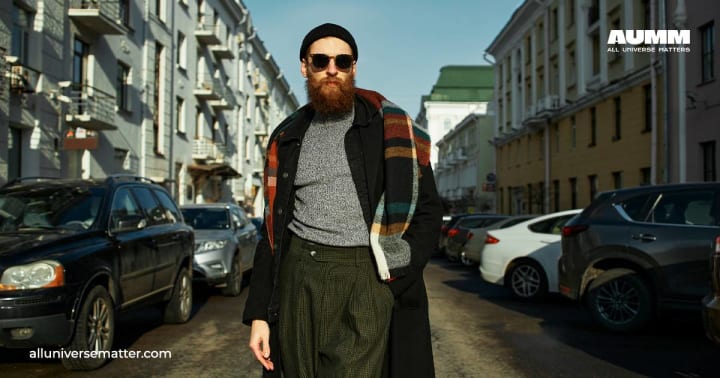
The modern-day history of oversized fashion is being written by Gen Z.
The younger generation is promoting these styles and a comeback is just there on the doorstep.
2010s To The Present: Comfort Meets Chic
It's the 2010s that made oversized fashion a rebirth—comfort combined with disheveled sophistication.
Designers have been crafting intentionally oversized pieces that at the same time are fashionable and comfortable.
This is a trend blurring the line between high fashion and streetwear.
Today's big silhouettes and overemphasized proportions have been verified as chic by strong social media influencers in music and fashion, like Kanye West and Rihanna.
Their boldness in style and originalities in design have easily persuaded the young generation to take a chance with big silhouettes as part of a new statement of post-modernity and self-expression.
Frequently Asked Questions (FAQs)
1. Who Created Oversized Clothes?
ANS: This trend originally came out of the hip-hop and skater circles of the US. It is speculated that these anti-establishment groups latched onto the ill-fitting prison wear and no-belt policies prisoners were subjected to while incarcerated.
2. Why is oversized Clothing Trendy?
ANS: Anyway, it is versatile since one oversized can make many different outfits, hence saving the need for buying new clothes frequently. This would help decrease fashion waste and become more eco-friendly. Besides that, an oversized one is used for long periods because they remain fitting your body in case it changes with time.
3. What is The History of Plus-size Fashion?
ANS: Lane Bryant entered the business in the early 1900s as a manufacturer of maternity clothing for "Expectant Mothers and Newborns". During early 1920, Lane Bryant started retailing their clothes under the classification 'For the Stout Women', with the bustline between 38-56 inches. UK-based, Evans was founded in the year 1930.
Conclusion
The history of oversized fashion is indeed one of the most salient staged trips through time on the dynamism in society and culture.
From the flapper dresses of the 1920s to the streetwear of today, oversized fashion has taken evolving turns across centuries in alignment with the needs and wants of the apply generation.
It has a rich history and sentiment, which constantly marks it as the work and essence within that of freedom, defiance, and expression.
From this, oversized fashion undoubtedly will continue to stimulate and solicit trends and upheld expressions.
The trend will push the limits to reach the fashion throne someday or the other soon.
About the Creator
Keep reading
More stories from Pritam Mondal and writers in Humans and other communities.
Sophie Turner
Introduction Sophie Turner is a famous English actress. She is best known for her role as Sansa Stark in the popular TV series Game of Thrones. Sophie became famous at a young age and grew up in front of the camera. Over the years, she has worked hard to improve her acting skills and build a strong career in film and television. She is admired not only for her talent but also for her honesty about personal struggles and mental health.
By Farhan Sayed3 days ago in Humans
Wild Card Weekend Recap: What Happens Now?
I think I figured out why I love Wild Card Weekend so much. It's because it's the first playoff anything of the calendar year. The NFL season starts in the fall, and once upon a time, the champion was crowned either on or slightly before New Year's. The evolution of the NFL schedule has resulted in the playoffs starting just into the New Year, and currently, the final week of the season falls on the first weekend of the New Year, with Wild Card Weekend coming a week after that. So yes, chronologically, the NFL's Wild Card Weekend serves as the first playoff anything of the calendar year.
By Clyde E. Dawkins6 days ago in Unbalanced



Comments
There are no comments for this story
Be the first to respond and start the conversation.