
The Hidden Truth About Gendered Ageism
Women Over 50 Speak

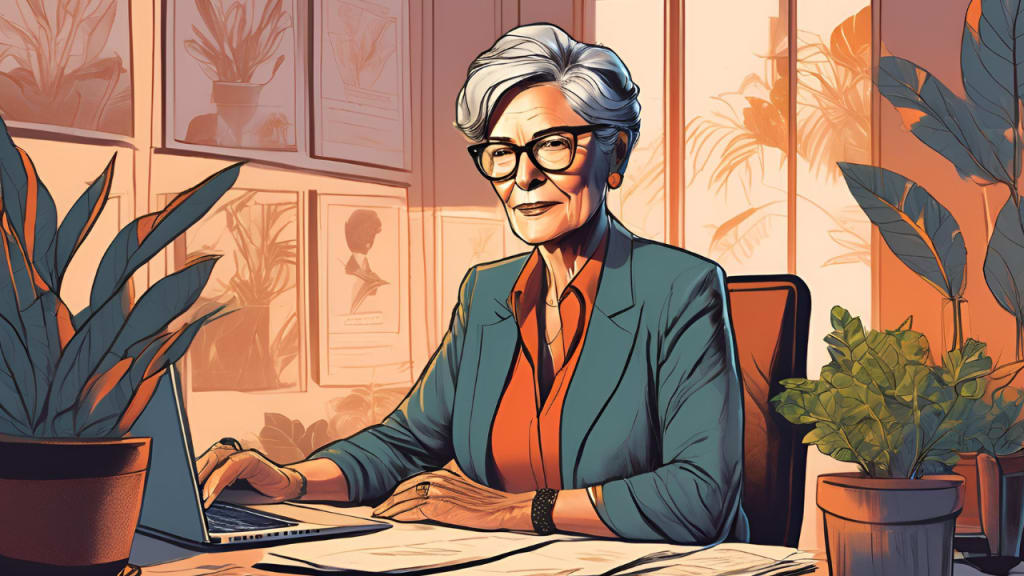
The numbers are staggering – 77.8% of women in 46 countries have experienced age-related discrimination during their careers. This troubling statistic emphasizes the harsh reality of gendered ageism, which affects women over 50 significantly in today’s workforce. Age discrimination has been illegal since 1967, yet nearly two-thirds of women aged 50 and older regularly face discrimination.
Women professionals encounter a double barrier from combined age and gender bias, with 48% experiencing age-based discrimination at work. The situation becomes more concerning as this isn’t just a late-career issue. Data shows that 40.7% of women encounter ageism within their first decade of work, while 55.9% face it after 21 years in their careers. This piece examines how gendered ageism appears in the workplace, its effects on women’s careers, and how women continue to fight against this persistent form of discrimination.
The combination of age and gender bias creates a unique discrimination that affects women throughout their careers. Gendered ageism happens when women face prejudice based on both their age and gender. These biases create roadblocks that limit their professional growth and financial security.
Workplace behaviors and attitudes demonstrate gendered ageism in several ways. Women feel pressure to look young, and their appearance plays a big role in how others see them professionally. They also battle stereotypes about their abilities, commitment, and worth as they get older. This bias shows up when they’re left out of important meetings, their opinions don’t count, and younger coworkers get better treatment.
This problem runs deep in different age groups and industries. Research reveals that 80.7% of women have seen their colleagues treated differently because of age. The challenge follows women at every career stage – they’re either labeled “too young” or “too old” for professional growth.
Financial services paint a slightly better picture, with 34% of women saying they haven’t experienced gendered ageism. The overall situation remains troubling. Women in leadership roles face intense pressure, and 74.8% deal with age-based stereotypes. About 50.1% get less respect from colleagues, while 49% face unfair treatment during promotions.
Q1. What is gendered ageism and how does it affect women in the workplace? Gendered ageism is a form of discrimination that combines age and gender bias, particularly affecting women over 50. It manifests through stereotypes about competence, exclusion from opportunities, and pressure to maintain a youthful appearance, limiting women’s professional growth and economic security.
Q2. How prevalent is gendered ageism in today’s workforce? Gendered ageism is widespread, with 77.8% of women across 46 countries reporting age-related discrimination in their careers. Nearly two out of three women aged 50 and older experience regular discrimination, and 48% report age-based discrimination in their workplace.
Q3. What are the financial consequences of gendered ageism for women? Gendered ageism can lead to significant financial insecurity for women. They may become stuck in low-wage positions, face extended periods of unemployment if laid off, and receive lower Social Security benefits in retirement. This impact is particularly severe for divorced and unmarried women, with poverty rates reaching 15.8% and 21.5% respectively.
Q4. How are women fighting back against gendered ageism? Women are challenging gendered ageism through legal action and career reinvention. Recent court decisions have strengthened protections against age discrimination. Many women are also choosing to pivot their careers after 50, launching successful ventures in fields like consulting, education, healthcare administration, and entrepreneurship.
Q5. What can be done to address gendered ageism in the workplace? Addressing gendered ageism requires effort from both individuals and organizations. Companies should embrace age diversity and tap into valuable expertise. Supporting legal protections, challenging discriminatory practices, and celebrating the achievements of women over 50 can create better workplaces for all generations. Additionally, women can consider career changes that leverage their existing skills while embracing new challenges.
About the Creator
Peter Ahn
DoggyZine.com provides unique articles. Health, Behavior, Life Style, Nutrition, Toys and Training for dog owners.
How Bad Are Energy Drinks for Teens, Really?
You go to school and look at desks that have pencils, textbooks, computers, and energy drinks? Students in schools now have cans of Monster, Celsius, Bang, among others, which are even sold in vending machines in many schools. Teens usually buy these drinks for energy after a lack of sleep or just for the temporary satisfaction, even with their overall bad reputation with older adults, but what does the science actually say about this?
By Seliyan Selvakumarabout 10 hours ago in Humans
Standing While Falling
Quotation from Friedrich Nietzsche "He who wrestles long with monsters should beware lest he himself become a monster. And if you gaze long into an abyss, the abyss also gazes into you. Man is not destroyed by suffering, but by the meaning he makes of it."
By LUCCIAN LAYTH6 days ago in Critique


Comments
There are no comments for this story
Be the first to respond and start the conversation.