
The hidden danger of home title fraud: Why every homeowner should be concerned
Protect your property: how home title fraud can put your ownership at risk
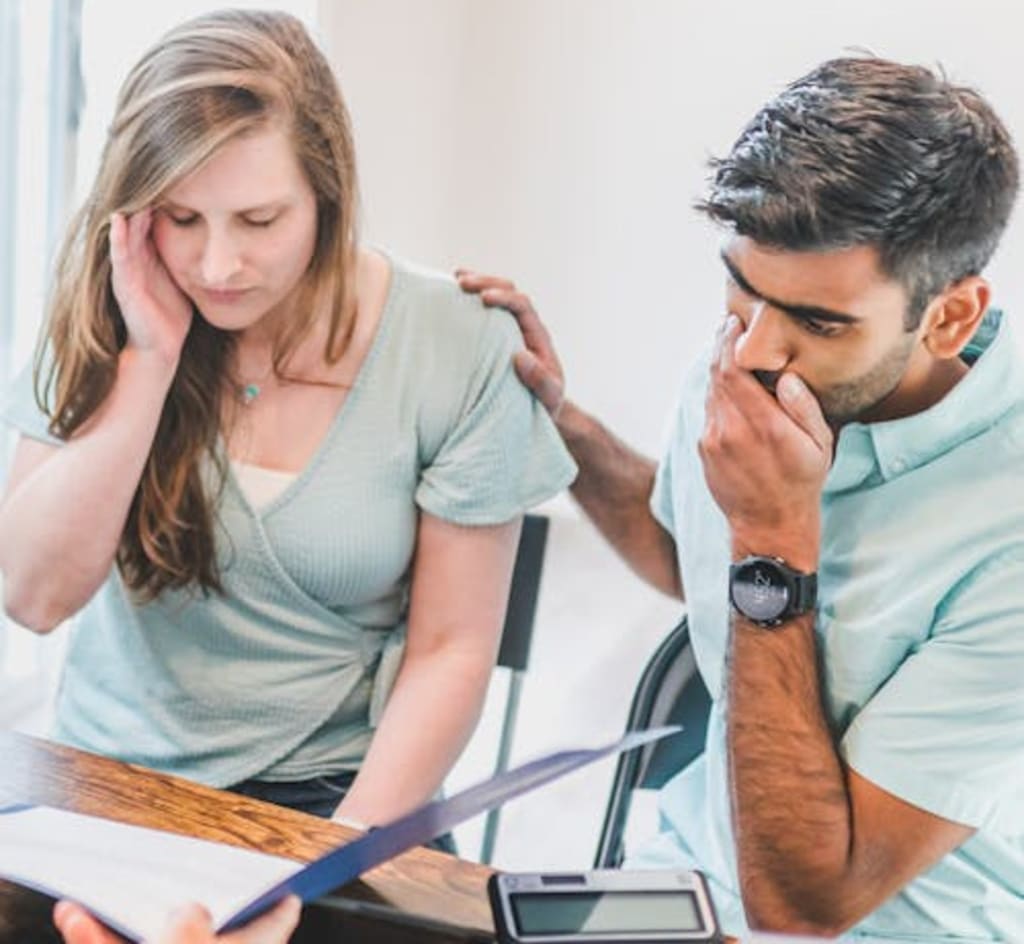
There's nothing quite like the feeling of owning a home. It's more than just a roof over four walls—it's where your heart is, where you make memories, build your life, and feel secure. But what if someone could steal that security without you even knowing?
Home title fraud is a growing threat, yet many homeowners have never even heard of it. You work hard for your home; the last thing you'd expect is someone to try to steal it right out from under you. The worst part? Most people don't realize what has happened until it's too late.
The thought of losing control over your own property is unsettling, but the good news is that there are ways to prevent it. Let's go over this crime and what you can do to stop it before it happens.
What Is Home Title Fraud?
Home title fraud happens when criminals forge documents to transfer ownership of your property to themselves or someone else. Using stolen identities, they file these forged documents with local government offices, making it look as though the transfer is legitimate. Once the fraud is complete, the consequences can be devastating.
The perpetrators can take out loans using your home as collateral, stripping away its equity and leaving you on the hook for debt you never agreed to. Some even go as far as selling the property to unsuspecting buyers, making it even harder—and more expensive—to reclaim what's rightfully yours.
How Criminals Carry Out This Fraud
Criminals take advantage of weaknesses in public records and security gaps to commit home title fraud. Many homeowners don't realize how easily scammers can manipulate these systems. Here's how they do it:
Identity Theft – Fraudsters can steal personal information such as your Social Security number, banking details, or even a copy of your signature. They might obtain this through phishing emails, data breaches, or scouring public databases containing personal records.
Forgery – They create fake deeds or title transfer documents once they have your information. Some criminals even hire corrupt notaries or use easily available notary stamps online to make these documents appear official.
Recording – The forged documents are then submitted to the county clerk's office and processed without verification. Many recording offices operate on an "honor system," meaning they accept documents at face value without confirming if the transaction is legitimate.
Who Is at Risk?
Unfortunately, anyone who owns a property is a potential target. Criminals don't just go after houses—they also target vacant land, rental properties, and even homes under construction. People who live in different states from their properties are particularly vulnerable because they may not notice fraudulent activity until it's too late.
How to Protect Yourself
Protecting your home from title fraud starts with staying informed and taking action before criminals strike. Here's what you can do:
Check Your Property Records – Look up your property title in public records from time to time to make sure nothing has changed without your permission. Some counties offer alerts when a new document is filed, so sign up if that option is available.
Use Title Protection Services – Some companies offer a "title freeze" that blocks unauthorized changes, similar to how a credit freeze works. This added security step can help prevent fraud before it happens.
Keep Personal Information Secure – Store important documents safely, be careful about sharing personal details w, and stay alert for scams that try to steal your information.
Consult an Expert – If you're unsure how to protect your title, consider speaking with a real estate attorney or a title fraud specialist.
Stay One Step Ahead
Home title fraud is a serious risk, but there are ways to stay ahead of it. Checking your property records, keeping personal details secure, and using title protection services can help safeguard your home.
The best time to take action is before fraud occurs. If someone tampers with your title, fixing the issue can take time and money. Staying informed and putting protections in place now can save you from future headaches.
Your home is one of your most valuable assets—make sure it stays in your name where it belongs.
About the Creator
The Captain Who Refused to Hate
In the cold and dark days of the second world war there was a man named Captain Richard. He was a brave sailor from England who was in charge of a big ship. The world was full of anger and every country was fighting against the other. In those times people were told that the person on the other side was an enemy and did not deserve any kindness. But Richard was a man of deep character and he believed that being a human was more important than being a soldier.
By Hazrat Umer6 days ago in Humans




Comments
There are no comments for this story
Be the first to respond and start the conversation.