
THE HAPPINESS SCAM
How fake positivity, self-help trends, and social pressure are making us feel worse — not better.

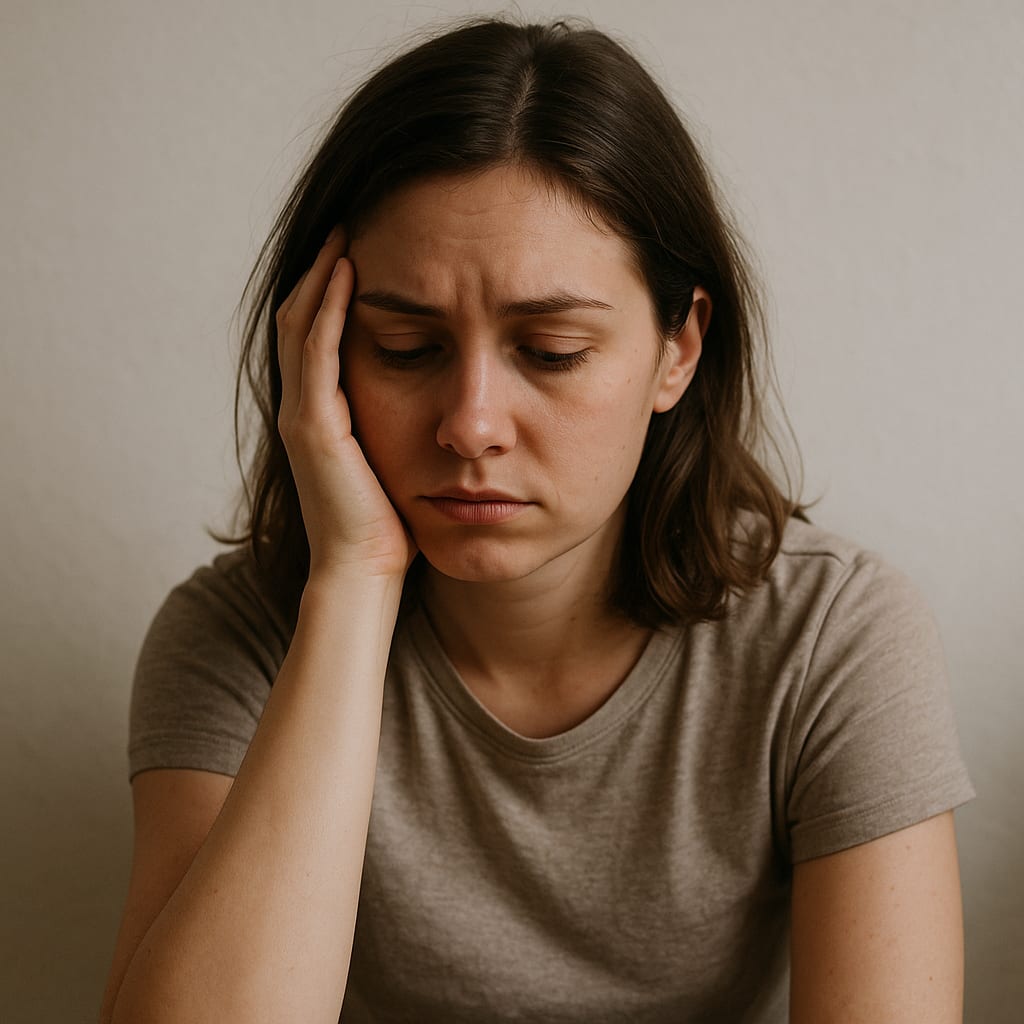
Happiness is everywhere. In ads, in Instagram reels, in morning podcasts and inspirational TikToks. You’re supposed to be happy. All the time. Smile. Be grateful. Journal. Meditate. Glow up. Hustle. Manifest. And most importantly: never complain.
But who actually defines what happiness is? Why does trying so hard to “feel good” often make us feel worse? If happiness is such a universal goal, why do so many people feel tired, fake, or disconnected?
The truth is, happiness today isn’t just a feeling — it’s a product. It has a look, a language, a routine. You recognize it instantly: soft lighting, a perfect breakfast, a toned body doing yoga by the ocean, a caption about gratitude. It’s polished. It’s filtered. It’s designed to be shared.
But this kind of happiness is performative. You don’t feel happy — you act happy. You post pictures that suggest joy, success, peace. You follow a script. You try to look like someone who has it all together. And slowly, without noticing, you disconnect from your real emotions. The bad days become shameful. You start to feel guilty for feeling down. After all, you have “so much to be grateful for,” right?
The problem is not wellness itself. Meditation, journaling, exercise, positive thinking — these can all be helpful tools. But once these tools become obligations, they lose their value. Once happiness becomes a duty, it turns into pressure. You no longer take care of yourself — you try to fix yourself. You treat your emotions like bugs in a system. You self-optimize. And when it doesn’t work, you blame yourself.
This is the dark side of the wellness culture. It’s not about healing — it’s about control. It tells you that if you’re unhappy, it’s because you’re not doing enough. You didn’t try hard enough. You didn’t stick to your morning routine. You didn’t manifest properly. You didn’t cut out negative people. You failed. Again. And this mindset is incredibly damaging, because it makes unhappiness your fault. It turns normal human experiences like sadness, boredom, anxiety or confusion into personal flaws that need to be corrected.
Toxic positivity plays a huge role in this too. It’s the idea that no matter what happens, you have to stay positive. Lost your job? Look for the lesson. Feeling low? Just smile. Heartbroken? It’s a sign from the universe. This kind of thinking may sound encouraging, but it’s actually invalidating. It tells people to suppress their pain instead of processing it. It punishes vulnerability. It creates a fake version of life where everything has a silver lining and no one is ever allowed to feel bad — not even for a moment.
But happiness doesn’t work that way. It’s not something you can force. It’s not a reward for doing everything right. It’s not permanent. It comes and goes, often when you least expect it. Some days you feel joyful for no reason. Other days, everything feels heavy. That doesn’t mean you’re broken — it just means you’re human. Life is full of ups and downs. Emotions fluctuate. That’s normal. And trying to be happy all the time is like expecting the sun to shine every single day. It’s unrealistic. It’s exhausting. And ironically, it makes people less happy, not more.
So what if we stopped chasing this fake version of happiness? What if instead of trying to feel amazing all the time, we focused on feeling real? What if happiness wasn’t a constant high, but a quiet moment of peace? A laugh with a friend. A walk outside. A deep breath. What if it wasn’t about having everything figured out, but about being okay with not having all the answers?
Maybe happiness isn’t something we need to work for or perform. Maybe it’s something that shows up when we least expect it — when we’re honest, present, and gentle with ourselves. Maybe it’s not in the perfect routine, the clean diet, or the morning affirmations. Maybe it’s in the mess, the stillness, the quiet acceptance of life as it is.
Happiness itself isn’t a scam. But the version we’re being sold? That one definitely is. It’s shiny, marketable, and empty. It’s not made for humans — it’s made for algorithms. And unless we step back and question it, we’ll keep chasing something that doesn’t actually make us feel good. Real happiness isn’t about perfection. It’s about truth. And sometimes, the happiest thing you can do is stop pretending.
About the Creator
Bubble Chill Media
Bubble Chill Media for all things digital, reading, board games, gaming, travel, art, and culture. Our articles share all our ideas, reflections, and creative experiences. Stay Chill in a connected world. We wish you all a good read.
Keep reading
More stories from Bubble Chill Media and writers in Humans and other communities.
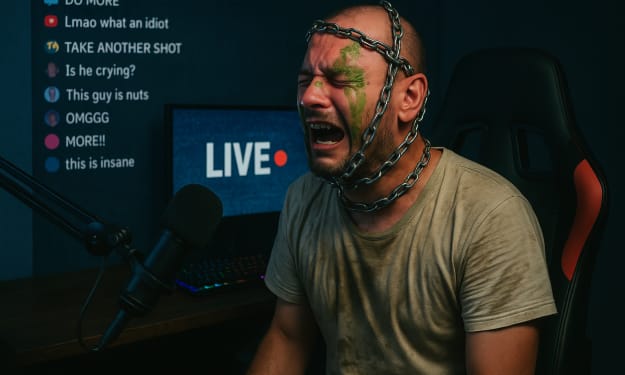
The Tragic Death of Jean Pormanove: When Trash Streaming Turns Fatal
Jean Pormanove, whose real name was Raphaël Graven, was once celebrated as one of France’s most popular streamers. Born in 1979, he began his online career in 2020, first on TikTok and Twitch before moving to Kick in 2023. There, he quickly became the most-watched French creator, with hundreds of thousands of followers who tuned in to his “Just Chatting” sessions, gaming streams, and marathon broadcasts. To many, he embodied the new era of online celebrity—interactive, raw, and unfiltered.
By Bubble Chill Media 6 months ago in Humans
Failing
We’re all failing education. We all have to go to school, but we don’t get an education. John D. Rockefeller funded and shaped the current public education. He wanted a generation of workers. These schools taught children how to sit for eight hours and not question authority. It’s been our reality since then.
By Sama Habib7 days ago in Humans



Comments
There are no comments for this story
Be the first to respond and start the conversation.