
The Greatest Invention in History: How the Wheel Set Everything in Motion
From ancient carts to Mars rovers, one simple idea changed humanity forever—and we’re still rolling forward.
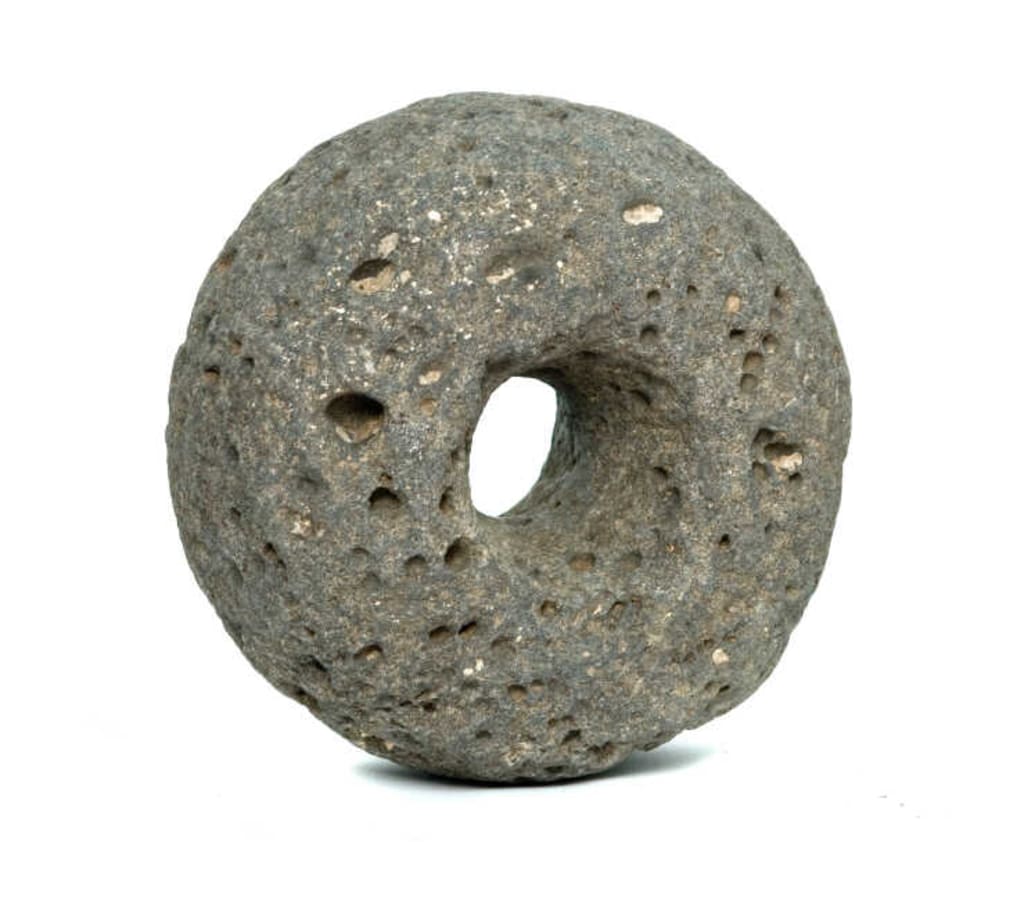
We live in a world bursting with extraordinary inventions. From smartphones in our pockets to satellites circling the Earth, humans have always found ways to dream, design, and transform. But if we had to pick just one invention—the greatest invention in history—the answer might surprise you. It’s not digital. It’s not new. It’s the wheel.
Yes, the humble wheel. Round, simple, and often taken for granted, yet it’s the invention that quite literally set everything in motion. Without it, there would be no cars, no airplanes, no factories, no modern cities. The wheel didn’t just change transportation—it revolutionized how humans interact with the world. And it’s still at the heart of progress today.
Let’s take a moment to imagine life before the wheel. Everything heavy had to be carried, dragged, or pushed. Travel was slow and exhausting. Moving materials for buildings or agriculture took days of labor. But then, thousands of years ago, someone had a revolutionary idea: what if we could make things roll?
It wasn’t an easy invention. Early wheels weren’t just tree trunks rolled across the ground—they had to be carved, balanced, and attached to an axle. But once the first working wheel appeared in Mesopotamia around 3500 BCE, the world changed forever.
And the most beautiful part? It wasn’t about fame or money or going viral. It was about solving a real, human problem—how to move more with less effort. That’s what makes the greatest inventions so magical: they come from need, but they’re powered by curiosity and creativity.
Think of what followed: carts and wagons that made trade and travel easier. Pottery wheels that helped shape containers for food and water. Water wheels that brought power to farming and milling. Clock wheels that helped us track time. Gear systems that led to machines, engines, and eventually… cars, planes, and rockets.
In fact, try naming a modern invention that doesn’t owe something to the wheel. Washing machines, bicycles, robots, conveyor belts, elevators—they all rely on rotating motion. The wheel didn’t just transform transportation; it became the foundation of engineering.
And yet, it’s also a symbol of life itself. The idea that things come full circle. That we keep moving forward. That no matter how complicated the world becomes, it often comes back to the simplest ideas. There’s something beautifully poetic about that.
But the true greatness of the wheel isn’t just in its usefulness. It’s in its universality. Every society, every culture has used wheels in its own way. From chariots in ancient Egypt to spinning wheels in medieval Europe, from bicycles in Beijing to tractors in Kansas, the wheel became a global connector.
And wheels didn’t stop in the past. Today, they power Mars rovers exploring distant planets. They’re in wind turbines creating clean energy. They’re in hospitals, helping patients move. They’re in skateboards, roller coasters, and wheelchairs—bringing joy, freedom, and independence.
Isn’t it amazing that the same invention that helped farmers in ancient Mesopotamia also helps NASA explore space?
But maybe the most touching part of the wheel’s story is how it reminds us that humans are born to build. We see problems, and we try to solve them. We face limits, and we find ways around them. The wheel is a reminder that brilliance often begins with something small, even ordinary. One idea. One shape. One motion.
And today, as we rush through our fast-paced, tech-filled lives, maybe it’s worth taking a step back and appreciating this little circle that started it all. Without the wheel, there would be no industrial revolution. No cars to visit loved ones. No bicycles for kids to ride. No planes for world travel. No exploration on the Moon or Mars. No motion—no progress.
It also teaches us something profound: the greatest inventions don’t always have to be complex or flashy. Sometimes, the most powerful ideas are the ones that look simple—but create ripples through centuries. The wheel didn’t need Wi-Fi or an app store to change the world. It just needed someone bold enough to ask: what if things could roll?
And isn’t that the heart of invention? Wonder. Imagination. Bravery. The wheel is proof that even the most basic shapes can hold incredible potential. It reminds every dreamer, every student, every builder that you don’t need to reinvent the world—you just need to start rolling.
So here’s to the wheel. To the ancient minds that dreamed it. To the generations that improved it. To the hands that shaped it. To the thinkers who realized that one small revolution could lead to every revolution.
And next time you hop on a bus, ride a bike, take a plane, or even push a shopping cart—pause and smile. Because in that moment, you’re part of the same beautiful story that began thousands of years ago.
A story that proves, in the most joyful, human way possible, that sometimes the greatest change… starts with a circle.
About the Creator
How Salt Brick Supports Asthma Relief in Senior Living
Breathing should feel easy. In senior living spaces, that isn’t always the case. Many older adults experience asthma or respiratory sensitivity. Air can feel dry. Lighting can feel sharp. Rooms can feel heavy. Design choices matter more than people think.
By Pink salt wall5 days ago in Humans
Author’s Advice
If you would’ve asked me 20 years ago did I know I’d become a writer and an author, I would’ve said “nope, ain’t happening”. As fate would have it I did become an author and I can honestly say I’m loving it so far. It really does feel good to be a writer. I’ve learned a lot on this journey and I feel like with even me being as new to this world as I am, there’s some wisdom I need to share with every other aspiring author.
By Joe Patterson4 days ago in Journal



Comments
There are no comments for this story
Be the first to respond and start the conversation.