
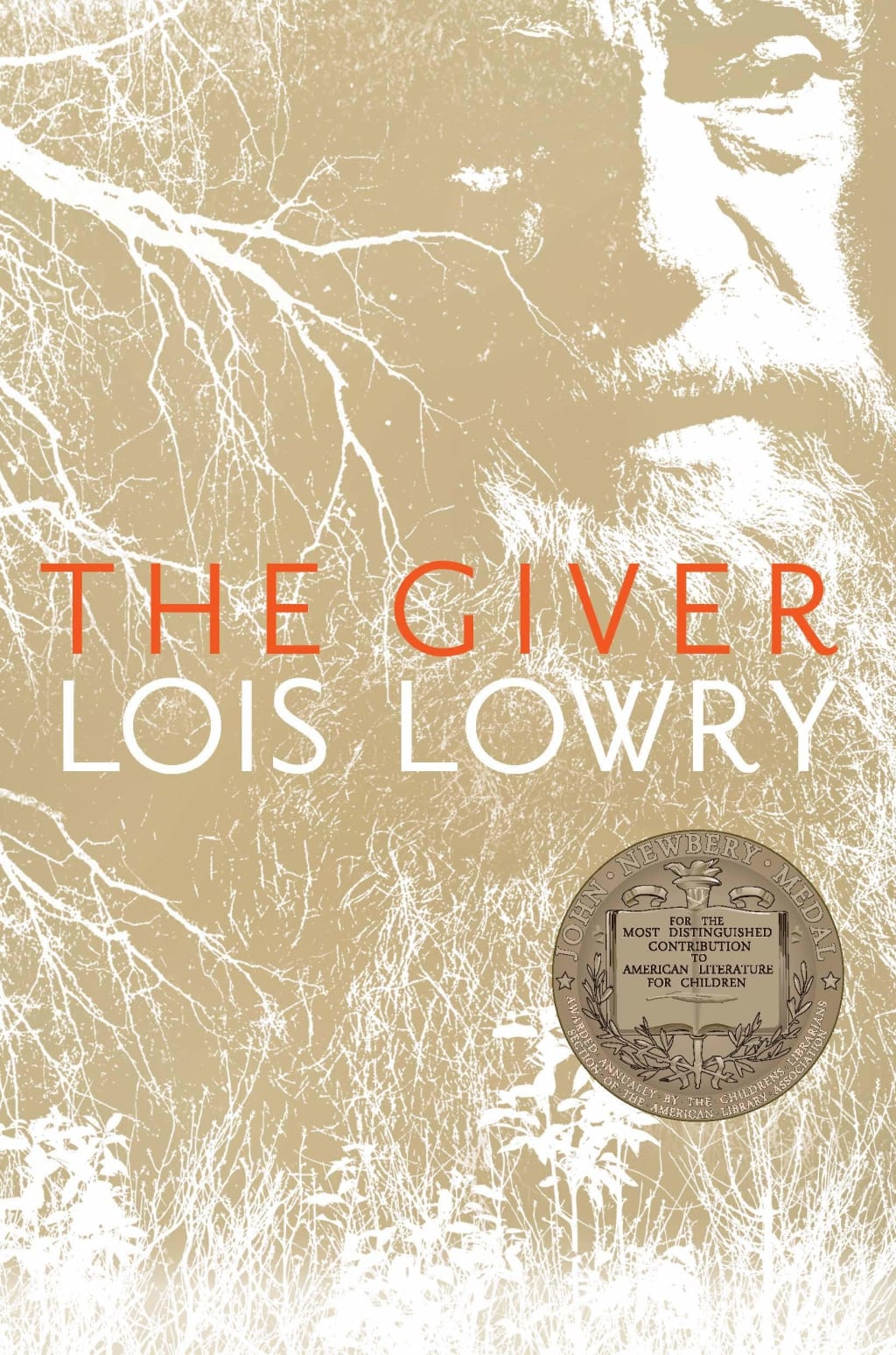
The highly acclaimed and thought-provoking book "The Giver" by Lois Lowry provides readers with an engaging examination of significant subjects. These are some of the main justifications for reading this book
"The Giver" by Lois Lowry is a captivating and thought-provoking book that takes readers on an unforgettable journey through a meticulously crafted dystopian society. Set in a seemingly perfect community, the story follows Jonas, a young boy who is chosen to be the Receiver of Memory, a role that grants him access to the suppressed memories of the past.
Jonas starts to discover the sinister mysteries that lay at the heart of his bucolic society as he digs deeper into his training with the mysterious Giver. He learns what the community has to give up in order to maintain the appearance of harmony: liberties, feelings, and even memories of joy and suffering.
Readers are forced to consider the negative effects of uniformity, the value of uniqueness, and the strength of human connection via Lowry's excellent narrative. The book challenges us to consider the worth of memories and emotions as well as the depth they provide to our lives.
Here are some key reasons why you should read this book
Dystopian Society: The dystopian society described in "The Giver" has a hidden terrible truth underlying all that seems flawless on the surface. It presents a critical analysis of a society devoid of individuality, feelings, and personal liberties and prompts readers to consider the possible repercussions of giving up these fundamental components of human existence.
Exploration of Memory and Emotion: The novel delves into the power of memories and emotions, highlighting their crucial role in shaping our identities and understanding the world around us. It prompts readers to appreciate the beauty of human experiences and reflect on the importance of preserving and embracing the full range of emotions.
Examination of Conformity and Control: Important problems are brought up by "The Giver" on the perils of mindlessly adhering to social standards and the results of permitting authority to have too much effect on people's life. It makes readers stop and think about the importance of uniqueness, freedom, and personal choice.
Complex Characters: The characters in "The Giver" are multifaceted and experience internal growth throughout the story as a whole. The main character, Jonas, sets out on a transforming journey of self-discovery while confronting the constraints placed on him by his culture. The connections he makes, particularly with The Giver, provide profound insights into human relationships and understanding.
Ethical and Moral Dilemmas: Numerous moral and ethical conundrums are presented in the book, prompting readers to reflect on their values and beliefs. It promotes conversations on issues including the worth of life, the duties of people and society, and the repercussions of ignoring injustice.
Engaging Narrative: Lois Lowry's writing style is captivating and accessible, drawing readers into the story. The narrative gradually unfolds, immersing readers in the world of "The Giver" and prompting them to reflect on its implications.
Significance in Literature: "The Giver" is widely regarded as a significant contribution to the genre of dystopian literature. It has received numerous awards and is frequently studied in schools, making it a culturally relevant and important work.
Thought-Provoking Themes: Strong themes like individuality, freedom, and the value of memories are explored in "The Giver." It invites readers to consider the worth of human encounters, feelings, and relationships.
Overall, "The Giver" is a challenging and compelling book that tackles significant subjects, questions society's standards, and invites readers to reflect on the importance of individual freedom, uniqueness, and human connection.
Want to read the full book?
Click on this site to download the PDF: https://bloggertripx.org.in/the-giver-by-lois-lowry-full-text-pdf/
About the Creator
Keep reading
More stories from bloggertripx and writers in Humans and other communities.
The Tragedy Of Macbeth By William Shakespeare
The well-known play Macbeth by William Shakespeare is a riveting tragedy that examines the themes of ambition, guilt, and the corrupting effects of power. The drama, which is set in medieval Scotland, follows Macbeth, the title character, on his turbulent path from sanity to dictatorship. Macbeth still holds the attention of viewers due to its ageless themes and enduring characters.
By bloggertripx3 years ago in Education
Valentine's Encounter: A Cross-Cultural Love Story Part 2
Blossoms of Connection The morning sun of Paris filtered gently through the windows of Sakura’s small hotel room, casting soft patterns on her neatly organized sketchbooks. She could hardly sleep the night before, her mind replaying every moment with Luca at the Eiffel Tower. The memory of their hands brushing, their laughter mingling with the wind, and the warmth in his eyes had lingered like a melody she couldn’t forget.
By Ahmed aldeabellaa day ago in Humans



Comments
There are no comments for this story
Be the first to respond and start the conversation.