
The Future of Art and Technology
How AI is Revolutionizing the Creative Landscape
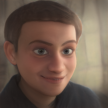

Art and technology are two seemingly different fields that have been merging for years. With the advancement of artificial intelligence (AI), the intersection of art and technology is reaching new heights. AI has the potential to revolutionize the creative landscape by influencing the way art is created, consumed, and appreciated. In this article, we will explore the future of art and technology and how AI is shaping the creative industry.
Introduction to AI in the Art World
Artificial intelligence is a technology that enables machines to perform tasks that typically require human intelligence, such as learning, problem-solving, and decision-making. In the art world, AI is being used to create art, collaborate with artists, and enhance the overall creative process. AI algorithms can analyze and interpret data to produce new artwork, generate unique patterns and designs, and even create music and poetry.
The use of AI in the art world is not new. In 2018, Christie's auction house sold an AI-generated artwork for $432,500. The artwork, called "Portrait of Edmond de Belamy," was created by a Paris-based collective called Obvious. The collective used a machine learning algorithm to generate the portrait, which was then printed on canvas and framed. This sale showed that AI-generated art can have significant value and that there is a market for it.
AI and Art Collaboration
AI is not replacing human artists; instead, it is being used as a tool for collaboration. Many artists are embracing AI as a tool to enhance their artistic expression. For example, American artist Sougwen Chung uses a robotic arm to create large-scale drawings. The robotic arm mimics the artist's movements and creates a collaborative piece that blurs the line between human and machine.
AI can also help artists to explore new creative avenues. The German artist Mario Klingemann is known for his AI-generated art. He uses machine learning algorithms to create new patterns and designs that he then incorporates into his artwork. This process allows him to explore new creative possibilities that he may not have considered before.
Benefits of AI in Art Creation
The use of AI in art creation has several benefits. One of the most significant benefits is that AI can help artists to create art more efficiently. The use of AI algorithms can speed up the creative process by generating new ideas and designs quickly. This can be particularly useful for artists who work on large-scale projects or have tight deadlines.
AI can also help artists to explore new creative possibilities. The machine learning algorithms used in AI can analyze large amounts of data and generate new patterns and designs that artists may not have considered before. This can lead to new and innovative art forms that push the boundaries of traditional art.
AI in the Film Industry
AI is also making its way into the film industry. AI algorithms can be used to create realistic visual effects, such as CGI characters and environments. The use of AI in the film industry can save time and money, as AI can generate realistic effects quickly and efficiently.
AI can also be used to enhance the overall film experience for viewers. For example, AI algorithms can analyze viewer data to personalize the viewing experience. This can include recommendations for related films, personalized soundtracks, and even changes to the film's narrative based on the viewer's preferences.
AI in Music Production
AI is also being used in music production. The use of AI algorithms can help musicians to create new music more efficiently. AI can analyze large amounts of data, such as music from different genres and styles, to generate new musical patterns and compositions.
AI can also be used to enhance the overall music listening experience. For example, AI algorithms can analyze listener data to generate personalized playlists and recommendations. This can help listeners to discover new music that they may not have otherwise found.
AI in Virtual Reality and Gaming
AI is also being used in virtual reality and gaming. In virtual reality, AI algorithms can be used to create realistic environments and characters. This can enhance the overall virtual reality experience for users and create a more immersive experience.
In gaming, AI can be used to create intelligent characters that can adapt to the player's behavior. This can create a more challenging and engaging gaming experience for players.
AI Art Market and Sales
The use of AI in art creation is already having an impact on the art market and sales. As mentioned earlier, AI-generated art is already being sold for significant amounts of money. The growing interest in AI-generated art is creating a new market for artists and collectors.
AI can also be used to analyze art sales data to predict future trends and demand. This can help artists and galleries to make more informed decisions about what art to create and sell.
The biggest promise of artificial intelligence is not in replacing humans, but in enhancing human abilities - Ginni Rometty
The Future of AI in Art
The future of AI in art is exciting and full of possibilities. As AI technology continues to advance, we can expect to see more innovative uses of AI in art creation, collaboration, and sales. AI has the potential to open up new creative avenues and transform the way we think about art.
One of the most exciting possibilities for AI in art is the use of generative adversarial networks (GANs). GANs are a type of machine learning algorithm that can generate new images, videos, and even music. The use of GANs in art creation is still in its early stages, but it has the potential to create entirely new art forms that we have never seen before.
Ethical Concerns with AI in Art
Despite the many benefits of AI in art, there are also ethical concerns to consider. One of the most significant concerns is the potential loss of jobs for human artists. As AI becomes more prevalent in the art world, there is a risk that human artists will be replaced by machines.
Another concern is the question of authorship and ownership. If AI is used to create a piece of art, who owns the copyright? Is it the artist who programmed the algorithm or the machine that generated the artwork?
Finally, there is the concern of bias. AI algorithms are only as unbiased as the data they are trained on. If the data used to train an AI algorithm is biased in some way, the algorithm may replicate that bias in the art it creates.
Conclusion
AI is changing the creative landscape in ways that we could not have imagined just a few years ago. AI is being used to create art, collaborate with artists, and enhance the overall creative process. It is also being used in the film industry, music production, virtual reality, and gaming.
The use of AI in art creation has several benefits, including increased efficiency and the exploration of new creative possibilities. However, there are also ethical concerns to consider, such as the potential loss of jobs for human artists and the question of authorship and ownership.
Despite these concerns, the future of AI in art is exciting and full of possibilities. As AI technology continues to advance, we can expect to see more innovative uses of AI in art creation, collaboration, and sales. The intersection of art and technology is only just beginning, and we are excited to see what the future holds.
About the Creator
Keep reading
More stories from SK Pindiprolu and writers in Humans and other communities.
How To
When faced with everyday challenges, people often resort to traditional solutions. But what if there was a more creative, albeit slightly absurd, way to tackle common problems? Drawing inspiration from the world's least practical self-help book, How To: Absurd Scientific Advice for Common Real-World Problems, this comprehensive guide explores alternative approaches to solving everyday tasks. By combining expert knowledge with a touch of whimsy, we'll delve into the fascinating world of unconventional problem-solving. Let's embark on this journey of discovery, laughter, and learning.
By SK Pindiprolu3 years ago in Humans



Comments
There are no comments for this story
Be the first to respond and start the conversation.