
The Friend in Need Is the Friend Indeed
Sometimes the people who promise forever leave you when you need them the most.

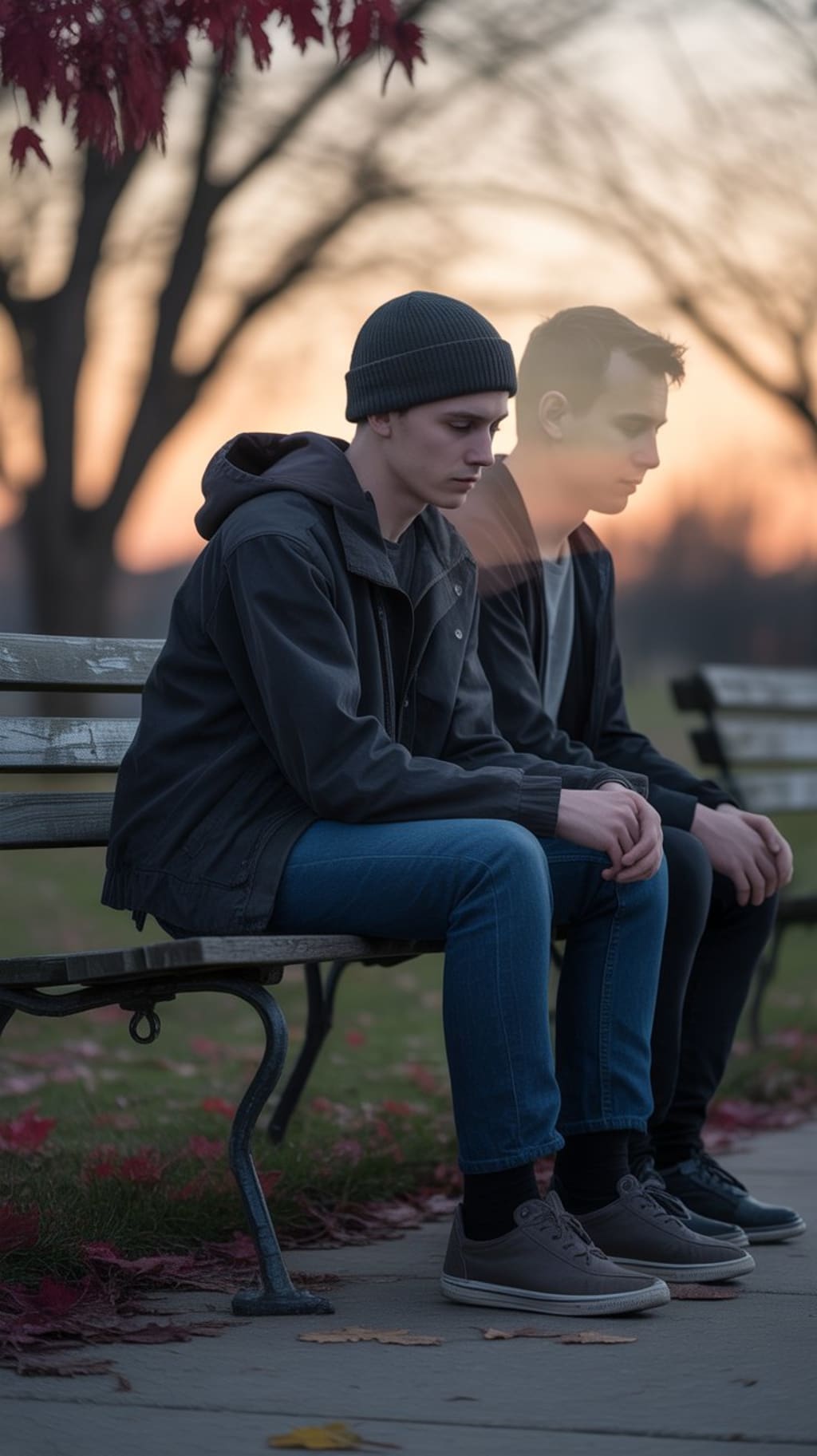
I met Ali in the 6th grade.
He wasn’t the loudest in the room, but somehow he always drew people in — the way he laughed without care, how he could talk to teachers and janitors with the same warmth. I was more reserved, the kind of kid who sat at the back of the class and rarely raised my hand. But he saw me.
That’s how our friendship began — a shared packet of chips and a conversation about our mutual hatred for math. It didn’t take long for us to become best friends. We hung out after school, played video games, talked about dreams that felt too big for our small town.
By the time we got into college, people referred to us as one name. If you invited one, the other came. We were inseparable — the kind of friendship that makes you believe in brotherhood without blood.
He knew every part of me. My fears. My insecurities. My unspoken ambitions. And I knew his. He often worried about being “enough” for his parents, the pressure to excel, to make something of himself.
We promised each other something once, after a long night walk under city lights:
“No matter what happens in life, we don’t disappear. We show up.”
In 2022, life decided to test that promise.
I had been feeling unusually tired, even after full nights of sleep. At first, I brushed it off as stress or maybe just bad eating habits. But then the chest pain started. Night sweats. Swollen glands.
After a dozen tests and multiple hospital visits, I heard the words that would forever divide my life into “before” and “after”:
Hodgkin’s lymphoma.
Cancer.
It didn’t feel real. I was only 24. This was the kind of thing that happened to people on news reports — not to me.
I remember the moment I walked out of the hospital after the diagnosis. I sat on the curb, hands shaking, and texted Ali:
“Call me. Please. I need to talk.”
No reply that night.
The next morning, I got a message:
“Sorry bro, was out with family. All okay?”
I told him everything. He was shocked. Voice trembling, he told me not to worry.
“We’ll fight this. Together. I’m with you.”
And for a while, he was. He came to the hospital for my first chemo session, brought chocolates I couldn’t eat and jokes I couldn’t laugh at. He told the nurses we were brothers. He made me feel like I wouldn’t face this alone.
But pain — real, relentless pain — is a long road. And not everyone has the strength to walk it with you.
As the weeks turned into months, his visits became rare. Texts got shorter. Calls stopped. I’d see his WhatsApp status — trips, weddings, parties. And my phone, silent.
I made excuses for him at first. “He’s busy.” “He doesn’t know how to handle this.”
But the truth was simpler, and more painful:
He chose to look away.
And I couldn’t blame him entirely. Cancer strips away the parts of you that people love. I wasn’t fun anymore. I was bald, pale, and tired. Conversations with me were about blood counts and hospital food, not dreams and jokes.
But isn’t that when friendship matters the most?
One night, in my hospital bed, I scrolled through an old photo of us — grinning at a college fest, arms around each other. I zoomed in on our faces and remembered that night so clearly. We had talked about the future — how he’d be the best man at my wedding, how I’d be the godfather to his kids.
Now, he hadn’t even replied to my last three messages.
I began to grieve not just my health, but the death of a bond I thought was eternal.
But I wasn’t entirely alone.
There was a nurse, Ayesha, who always made sure I had warm water. My mother, who held back tears and combed my eyebrows when I lost all my hair. An old college acquaintance, Zain, who started checking in every week and brought books, snacks, and sometimes just silence when I didn’t feel like talking.
They weren’t the people I expected to lean on. But they were there. And sometimes, that’s all that matters.
After six brutal months, I heard the words I didn’t think I’d get to hear:
“You’re in remission.”
I cried. My mother cried. Ayesha cried too. But Ali — he didn’t even know.
A week later, I got a call. His name flashed on the screen and I froze.
I picked up.
His voice was soft.
“I heard from Zain that you're better now. I wanted to call earlier, but I didn’t know how to…”
He paused.
“I didn’t know what to say.”
I listened. Not because I forgave him — but because I needed closure.
He told me life got overwhelming. His job, family pressure, his own anxiety.
I believed him. I even understood.
But I also knew that love — real love — shows up, even when it’s inconvenient.
I didn’t lash out. I didn’t blame him. I simply said,
“I needed you. And you weren’t there.”
There was a long silence.
He said he was sorry.
I said I hoped he was okay.
We haven’t spoken since.
Sometimes, people we love can’t meet us in our darkness — not because they don’t care, but because they don’t know how. But knowing that doesn’t make the absence hurt any less.
Today, I’m cancer-free. I’m alive. But that experience taught me more than I ever wanted to learn about friendship, loyalty, and grief.
A friend in need is a friend indeed.
But sometimes, that friend is not the one you expected — and sometimes, the ones who leave teach you the most about who you really are.


Comments
There are no comments for this story
Be the first to respond and start the conversation.