
The First Home Was Her Arms
A story about the quiet power of a mother’s love


The First Home Was Her Arms
— A story about the quiet power of a mother’s love.
Before I ever knew the world, before I ever opened my eyes to light or cried my first cry, I knew the rhythm of her heartbeat. It was steady and soft, like a lullaby sung by life itself. That was my first home—before walls and windows, before addresses and rooftops—the first place I ever belonged was in her arms.
I never truly understood the weight she carried until I got older. As a child, her love felt like air—everywhere, constant, invisible but essential. She was the one who packed my school lunches and left little notes, who made sure I had socks on cold mornings, and who remembered every vaccination, every doctor’s appointment, every birthday.
She remembered everything so I wouldn’t have to.
But I didn’t notice those things back then. I didn’t notice the exhaustion behind her eyes when she smiled at me after a long day. I didn’t know she stayed up folding laundry after everyone had gone to sleep, or that she sometimes skipped meals so we’d have enough.
What I did know was that she always came when I cried. She always knew when something was wrong—like a sixth sense only mothers are given. When I was sick, her touch cooled my fever better than any medicine. When I failed a test, she didn’t scold me—she helped me understand it wasn’t the end of the world.
I remember one moment so clearly.
I was nine years old and had just lost a race at school. I had trained for weeks. I really believed I would win. But I didn’t. I came in last. I held back tears the whole bus ride home, hoping no one would notice the shame building inside me. But the moment I stepped inside the house, I fell into her arms and sobbed.
She didn’t tell me to toughen up or to try harder next time.
She just held me.
Wrapped me in her warmth and whispered, “You did your best, and that’s enough for me.”
It wasn’t just a hug. It was a reminder that I was loved even when I didn’t feel like I was enough. That kind of acceptance is rare in this world.
As I grew older, I started pulling away, like most teenagers do. I thought I knew more than her. I thought her rules were strict, her worries annoying. I rolled my eyes more often. I answered in one-word sentences. But even in those moments, she never gave up on me.
She was patient—sometimes painfully so. She let me make my mistakes, quietly watching as I stumbled, always ready to help me back up. She never said “I told you so.” She never gloated. She just stayed.
When I moved out for college, I cried in the car but didn’t let her see. I knew she was crying too, though she tried to act strong. She folded my clothes one last time, labeled my boxes, and slid a little envelope into my bag.
It said: Whenever you miss home, remember—I’m just one call away. And I’m always praying for you.
Inside was a tiny silver keychain that said, “Love, Mom.”
And it hit me all at once—home wasn’t the apartment I’d grown up in. Home was her arms. Her voice. Her unconditional presence.
Now, years later, I’ve seen the world. I’ve worked hard. I’ve had wins and losses, heartbreaks and joys. But through it all, the safest place I’ve ever known remains the same.
Even now, when I visit her, and she pulls me into a hug, it feels like everything I’ve battled out in the world melts away.
Because her love never needed fixing. It never needed upgrading or replacing. It was always enough.
When people talk about legacy, they often mean achievements or wealth. But her legacy is love. Steady, unwavering, selfless love.
One day, I hope to offer that same feeling to someone else—a partner, a child, a friend. I hope I can make someone feel as safe as she made me feel. I hope I can be someone’s first home, like she was mine.
But no matter where life takes me, one truth will always remain:
The first arms that held me taught me the meaning of love.
The first home I ever knew wasn’t made of bricks. It was made of her.
About the Creator
Keep reading
More stories from hazrat ali and writers in Humans and other communities.
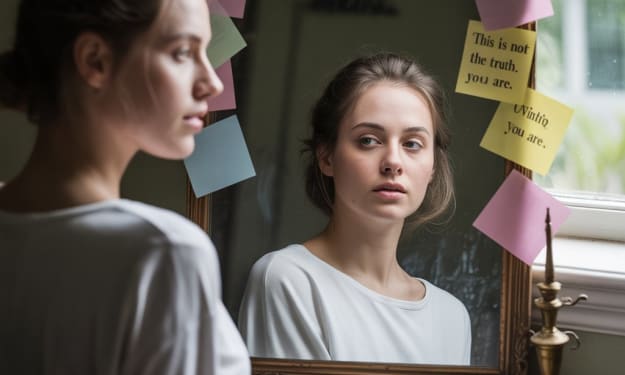
The Mirror Lied, I Didn't
The mirror never told me the truth. It showed a girl too round, too plain, too uncertain. Every morning, I stood in front of it like it was a judge, hoping for a different verdict, and every time, it betrayed me. The mirror, with its glassy silence, always seemed louder than the world. But I kept showing up, trying to rewrite the story it reflected.
By hazrat ali7 months ago in Humans
Recognizing Early Signs Of A Cheater Protects Emotional Well Being
The healthy relationship of a family is built on trust, and finding out about infidelity can be disastrous. It is possible to identify other warning signs of a cheater early, which will allow people to save their emotional health and make the right decision before they connect with each other on the emotional level. Although the suspicion is not evidence, it is only by observing the changes in behavior, inconsistency, and red flags that one can avoid many years of heartbreak and stress. Consciousness is a necessary process in ensuring self-respect and emotional wellbeing and enables one to react intuitively as opposed to impulsively.
By Willian Jamesabout 4 hours ago in Humans
Guard Your Battery
Why are some people so attractive just by standing there? It’s not because they are "likable," but because they don’t need everyone to like them. I realized later that truly charismatic people allow themselves to be criticized, but they never criticize themselves. They never try to please the world; instead, the world stops to watch them.
By Emily Chan - Life and love sharing3 days ago in Poets


Comments
There are no comments for this story
Be the first to respond and start the conversation.