
The Fight for The ADA
Disability History: How we got to the ADA

Thirty-four years ago, On July 26th, 1990. The Americans with Disability Act was signed into law by George H.W. Bush. (who, in his older age, later benefited from this law he signed.) This is the most significant law after The Rehab Act of 1973. This law gave grants to states to help people with severe disabilities and offered more help to rehab/vocational services. It also expanded federal responsibilities to research and training programs for the Secretary of Health to help facilitate programs for people with disabilities. It includes five sections, each with a specific rule. That includes Employment discrimination, among others, which the ADA expanded on.
This was only the beginning.
Long before there were any laws to protect people with disabilities, there were laws against us.
Ugly Laws, or Unsightly Beggar Laws, were laws in the United States from 1867 to 1974. States had laws to prevent beggarly or ugly from being seen in public. Many who were unsigh of these so-called unsightly beggars were often people with disabilities.
If people were disabled in any way, be it mentally, physically, or emotionally. Their families would often send them to insane Asylums or early mental health institutions, which were usually abusive as they didn't know how to treat mental health issues at the time. Early "treatments" Included patients strapped into straight jackets. Being dumped into cold baths. (the belief is that it would shock the brain enough to reset it.)
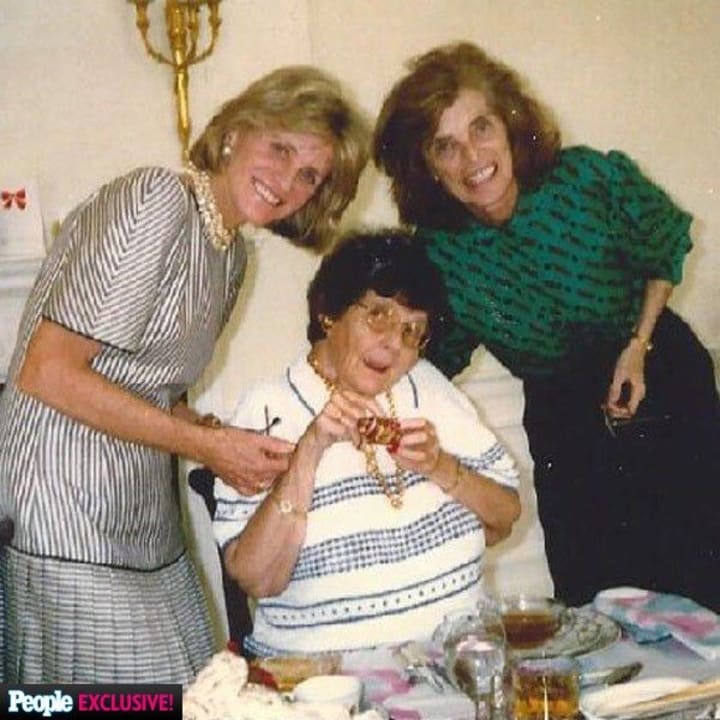
Insulin shock therapy, abusive staff, as well as little to no upkeep of the facility itself. Lobotomies were also extremely popular to help people with mental health issues such as depression or anxiety become calmer by using an ice pick to poke around in the frontal lobe through the eye. One of the most famous cases of the lobotomy was Rosemary Kennedy. She struggled with developmental delay after the doctors wouldn't let her mother give birth to her. They were forcing her to keep Rose inside her, delaying oxygen to the brain.
She struggled behaviorally for years until her father learned about Lobotimes, and a doctor suggested it be done to "Fix" Rose. Her father believed her erratic and occasionally violent behavior would hurt her brothers's political careers as well as her father's. She was going behind her mother's back when Rose was twenty-three years of age. She was lobotomized by two neurosurgeons who performed almost all lobotomies at the time, James Watts and Walter Freeman. When it went wrong, she was placed in a home for the rest of her life until she died in 2005. Her mother occasionally visited her, but no one from her family visited her, as she had kept a secret for over twenty years. However, eventually, extended family would see her.
Walter Freeman is the lead neurosurgeon and pusher of the Lobomty of the United States. Performed most, if not all, lobotomies in the US until it eventually fell out of favor by the 1960s.


Disabled Children were often sent to these places as well. Even well into the 1970s and 1980s. When mental health, as well as disability, was finally being studied and people with disabilities were given more options to live at home
One of the most infamous centers is Willowbrook State School. They were operated from 1947 to 1987—an Asylum for kids with intellectual disabilities in New York. Originally built to hold only about 4,000 children, it became overcrowded and eventually had up to 6,000 children. The kids lived in filth and were sexually abused, given the hepatitis virus. The staff were neglectful, and they experimented on the kids as well. Geraldo Rivera and his exposed this expose of Willowbrook after a doctor at the school reached out to him. The expose aired on TV to show just how horrific the conditions were for the children.
Another documentary on mentally ill children in a care home, Children Of Darkness, came out in 1983. It discussed the lack of care for these kids and the need for more reform.

Morris Frank, one of the co-founders of Seeing Eye, was also a massive supporter of a law like the ADA and the US's first official guide dog handler. Dorothy Eustis ran a breeding kennel of German shepherds in Switzerland and trained seeing-eye dogs for veterans of WWI with eye damage. Buddy Morris's first guide dog became the first guide dog, proving that dogs can be more suitable than human guides.
Morris named every guide dog he had Buddy in honor of his first companion and guide. (He had six in total.) They were All German shepherds.
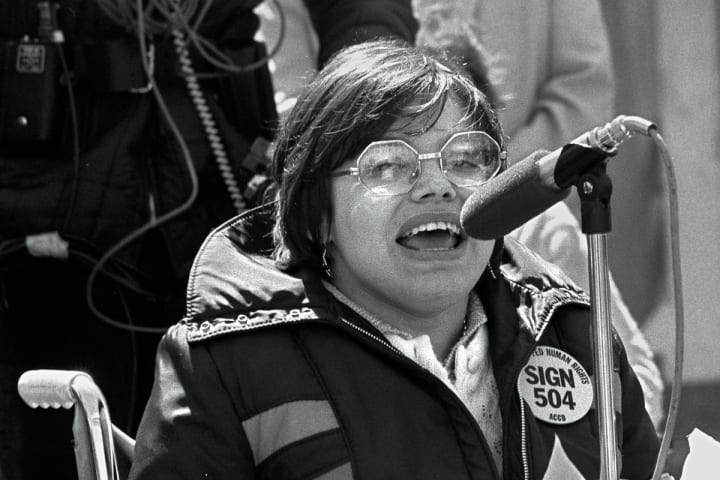
In the 1990s, the fight for Disability rights was getting more robust with people like Judy Heumann. She was disabled since she was a child and wanted more acceptance by society. The Capitol Crawl was the final protest to get the act accepted by the Capitol and Senate, and George H. W. Bush eventually passed it. It took place on March 12th, 1990.
People in wheelchairs, with walkers, crutches, or any assistive device were told to drop those aids and crawl up the capital steps to show how Inaccessible the US was at the time (and still is in some places). One of the people involved was eight-year-old Jennifer Keelan-Chaffins, who was featured heavily in the news when this took place as she fought for other kids like her.
Thanks to the ADA, people with disabilities can access public places, including schools, workplaces, and public transportation. Service dog handlers have the right to have their furry medical equipment in public spaces, including mini horses. Children with disabilities have laws in place so they can attend school and receive the same education as their peers with support.

However, we still have a long way to go before being entirely accepted by society. People with disabilities who rely on benefits from whatever state they live in can lose them if they decide to move in with a partner or marry. Disability benefits pay little to nothing, and if someone needs benefits little to no, they cannot work at all because of the assistance they receive from the government.
People with disabilities cannot live off benefits alone. Some people rely on family, or they can work more than one job to make ends meet like everyone else. However, expensive needs depend on the level of care needed for a disability, and at times, lots of people with disabilities can't work at all. There's not a lot of accessible housing either, which is another hurdle disabled people face if they want to be more independent.
We have come so far as a society, and disability is not a bad word. However, the struggles we do face make it harder for us to be contributing members of society when that is something lots of disabled people want. We want to be as independent as possible.
We will continue to fight for complete acceptance, and one day, we will be entirely accepted.
We Matter!
Nothing About Us Without Us!
To learn more about disabled benefits and how it affects marriage and partnership. Go Here


About the Creator
Paige Krause
Hi, I'm Paige, and I love to read and write. I love music and dogs. I will mostly write about my favorite things. Autistic and service dog handler. Enjoy my writings
I also post my articles on Medium
Reader insights
Nice work
Very well written. Keep up the good work!
Top insight
Easy to read and follow
Well-structured & engaging content
Keep reading
More stories from Paige Krause and writers in Humans and other communities.
The Dangers of Child acting
Hollywood has been around for decades, from silent films to Talkies to the modern television and movie industries. Hollywood and its stories, actors, and actresses are everywhere. People glamourize the industry and want to be like the people they see on TV. The industry is regulated to an extent, but unfortunately for child actors, there is little to no protection. Thanks to recent docuseries like Quiet on Setof involving kids in acting.
By Paige Krause 2 years ago in Humans
Why American Lifestyle Now Prioritizes Travel Over Possessions
Travel in the present day America is not simply a visit to new places or an escape out of routine. It has come to become a kind of guide on the way individuals perceive purpose, fulfillment, and how they structure their lives. More Americans are making travel their guide, letting experience and not anticipation tell what is important. The changes in movement and exposure make people start doubting the over-inspired notions of success and finding out which values are more natural to them.
By Tiana Alexandra6 days ago in Humans


Comments (2)
Well prepared and thought out Paige. Keep up the good work and sharing purposeful and informative content.
Awesome content