
The Conflict in Ukraine: Russia's Declining Influence
Resistance and Resilience of Ukraine
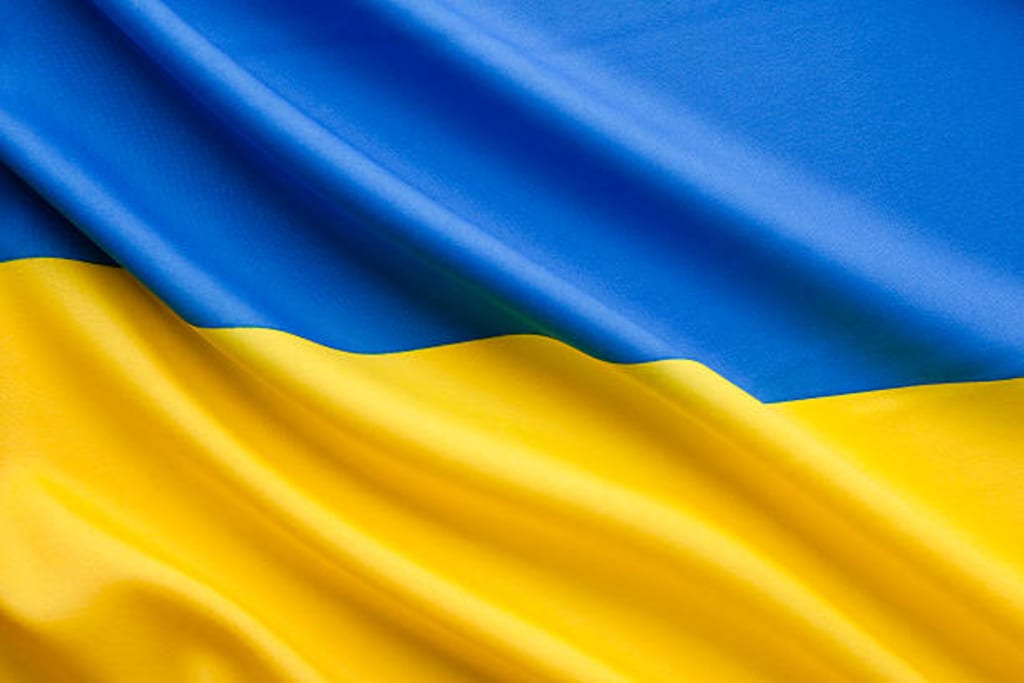
The conflict in Ukraine, which began in 2014, has been a source of international concern and geopolitical tension. At the heart of this conflict is the struggle between Ukraine's desire for independence and Russia's attempts to maintain its influence over the country. However, despite initial gains, Russia's influence in Ukraine has gradually diminished over time. This essay aims to examine the factors that have contributed to Russia's declining influence in the Ukrainian conflict.
International Condemnation and Sanctions:
One of the primary factors behind Russia's diminishing influence in Ukraine is the widespread international condemnation of its actions and subsequent imposition of sanctions. The annexation of Crimea by Russia and its support for separatist movements in Eastern Ukraine were viewed as blatant violations of international law and Ukraine's territorial integrity. As a result, the United States, the European Union, and other countries imposed economic and diplomatic sanctions on Russia.
These sanctions have had a significant impact on Russia's economy, hindering its access to global financial markets, technology transfers, and investment opportunities. The devaluation of the Russian ruble, coupled with rising inflation and reduced foreign investment, has strained Russia's economic stability. Consequently, these sanctions have played a crucial role in undermining Russia's influence and its ability to sustain a prolonged conflict in Ukraine.
Resistance and Resilience of Ukraine:
Another key factor contributing to Russia's declining influence in Ukraine is the resilience and determination displayed by the Ukrainian people and government. Despite facing a well-armed and heavily supported adversary, Ukraine has managed to hold its ground. Over the years, Ukraine has implemented significant military reforms, strengthening its armed forces, enhancing coordination, and improving command structures.
Furthermore, Ukraine has skillfully utilized diplomatic channels to garner support and raise awareness about Russia's actions. International assistance, including military aid, training programs, and intelligence sharing, has further bolstered Ukraine's position. The country's ability to withstand Russian aggression has frustrated Russia's objectives of exerting complete control over Ukraine, thereby diminishing its influence.
Internal Challenges within Russia:
Russia also faces internal challenges that have hindered its ability to achieve its objectives in Ukraine. The prolonged conflict has strained Russia's resources and resulted in significant casualties, undermining public support for the intervention. The economic hardships resulting from sanctions, combined with domestic issues such as corruption and social inequality, have fueled growing discontent among the Russian population.
Furthermore, Russia's involvement in Ukraine has strained its relations with the West. NATO has increased its military presence in Eastern Europe, and the United States has provided military aid to Ukraine. These developments have placed Russia at a strategic disadvantage, isolating it diplomatically and potentially limiting its options for further escalation. The internal challenges and strained relations with the West have contributed to a decline in Russia's overall influence in Ukraine.
International Support for Ukraine:
Ukraine has received significant international support in its conflict with Russia. The United States, the European Union, and other countries have provided financial aid, military equipment, and technical assistance to Ukraine. Additionally, NATO has reinforced its eastern flank, showcasing its commitment to defending member states and deterring further Russian aggression.
This international support has not only bolstered Ukraine's capabilities but has also sent a clear message to Russia that any further escalation could have severe consequences. It has effectively limited Russia's ability to achieve its objectives in Ukraine and has contributed to the decline in its influence.
Conclusion:
The conflict in Ukraine has witnessed a decline in Russia's influence over time. International condemnation and sanctions, the resilience of Ukraine, internal challenges within Russia, and international support for Ukraine have collectively contributed to this decline. These factors have weakened Russia's position and limited its ability to exert complete control over Ukraine. As the conflict continues, it is imperative to seek diplomatic solutions and support Ukraine's sovereignty and territorial integrity. The international community's continued engagement and assistance can play a crucial role in resolving the conflict and fostering stability in the region.
About the Creator
Keep reading
More stories from writers in Humans and other communities.
A Dart at Dusk
Seconds ago, the sullen sun set on the two of us… my exuberant furry companion and me. A fresh breeze embraces us, delivering welcome relief from the day’s oppressive heat. His typical stumbling and staggering along — apace with a sloth — has turned into trip-trapping, high-stepping, almost skipping along.
By Angie the Archivist 📚🪶5 days ago in Petlife


Comments
There are no comments for this story
Be the first to respond and start the conversation.