
The Borrowed Mothers of Kyiv – How War Stops Reproductive Tourism
Ukrainian surrogate mothers cannot simply leave the country. This also puts Western parents in distress who are waiting for their child. The war reveals the dark sides of a thriving business.

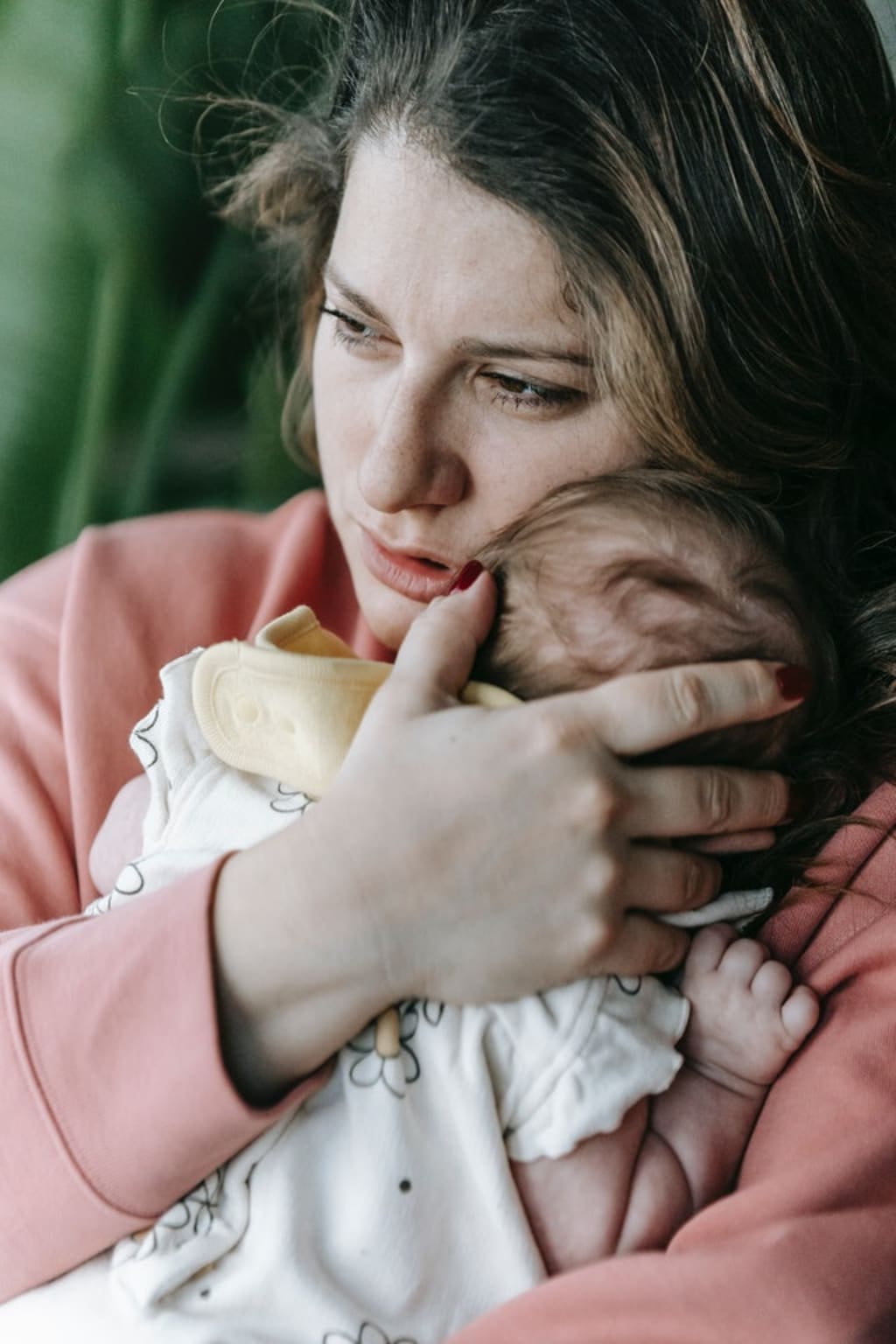
The woman and the man are standing next to a cot in their apartment in Germany. There is a suitcase with clothes and a pack of Pampers on the floor. Everything is ready in case the clinic in Kyiv calls, and it will these days. The couple then finally hears the long-awaited words: Your child will be born in the next few hours.
The war doesn't stop it. But because of the attacks on Ukraine, it's uncertain if the couple will have the baby any time soon. Will it ever see him? Because no one travels to Ukraine anymore.
The couple knows that – and yet they don't want to be deterred by the Russian bombs. "If we die, then with him," says the woman in a choked voice: "our son."
They said that in a report by the RTL television station. They share their desperation with many couples whose children are pregnant with Ukrainian surrogate mothers. At the beginning of March, five Swiss couples also brought their commissioned babies from Kyiv to Switzerland. Because of the war, the Federal Office of Justice allowed them to enter the country without having to legally confirm their parentage in advance.
The radicalness with which couples are now ignoring travel warnings, even from the reproductive clinics in Ukraine, proves the intensity of their desire: they will do anything for a child. You have already gone too far in this process. There is no going back.
The expectant parents are suffering, but it is not they who are at war, but the women who do the work for them. The unborn child is even more vulnerable. The attack on Ukraine reveals the dark side of a thriving business.
Ukraine is a popular destination for reproductive tourists because surrogacy is legal here, while in Switzerland or Germany it is banned for ethical reasons. The young women, who escape poverty thanks to the money from couples from the West, give up the right to their bodies during pregnancy: for the 15,000 euros they receive for each baby to be born, they do what their employers do to wish.
Not only is the woman's body reduced to an incubator. But it is also contractually stipulated what the surrogate mother should do without in order to protect the resulting life. On sports, sex, coffee, air travel.
The dilemma that the belly belongs to her, but the child inside belongs to someone else, is accentuated in war. Because now there is really only one thing for the pregnant woman: she has to get her body to safety. escape. But that is only possible to a limited extent. And they don't always want to.
Some surrogates have been reluctant to leave Kyiv for their agencies to transport them to western Ukraine and now Poland, where they are safer. Because many women have families and their own children who stay behind, as the magazine “The Atlantic” writes.
Although many couples would prefer to bring their surrogate mothers to their home - if they are still in contact with them at all these days - they are not allowed to. On Facebook, the largest Ukrainian reproductive clinic BioTexCom writes to the couples, which is why they should not do this under any circumstances: "You will never be recognized as the child's parents." Because where surrogacy is forbidden, only the woman giving birth is registered as the mother. In the case of an illegal birth, any attempt at handover is also considered child trafficking.
That's why the clinic in Kyiv is trying to calm down the foreign parents with a video that leads to an air raid shelter. It shows sleeping bags laid out in camouflage colors, racks full of powdered milk and gas masks next to infant beds.
It is a symbol for the vulnerability of the arrangement. Today there are no limits to the desire to have children. The surrogate business reifies that longing and places yet another person in a dependent relationship. The choice to carry other people's children for money often has little to do with self-determination, as can be seen at least in the case of the Ukrainian women who are now enduring the war. They, threatened by death, bring life into the world. For the others.
About the Creator
Keep reading
More stories from Bimal Kanta Moharana and writers in Humans and other communities.
What Makes the Maldives the Most Romantic Destination in the World
The romance of the Maldives begins with its geography. Scattered across the Indian Ocean, the islands are naturally isolated, surrounded by open water rather than neighbouring towns or tourist districts. This physical separation creates emotional space. Couples are not navigating crowds, traffic, or schedules; they are sharing an island that feels intentionally removed from the rest of the world. In the Maldives, privacy is not an upgrade or a premium add-on; it is the default. That sense of being alone together is the foundation on which all the romance is built.
By Claudia Fennela day ago in Humans


Comments
There are no comments for this story
Be the first to respond and start the conversation.