
The Allure of Golden Kiwi: A Premium Fruit Shaping International Markets
The Golden Kiwi: A Masterpiece of Agricultural Innovation and Global Trade

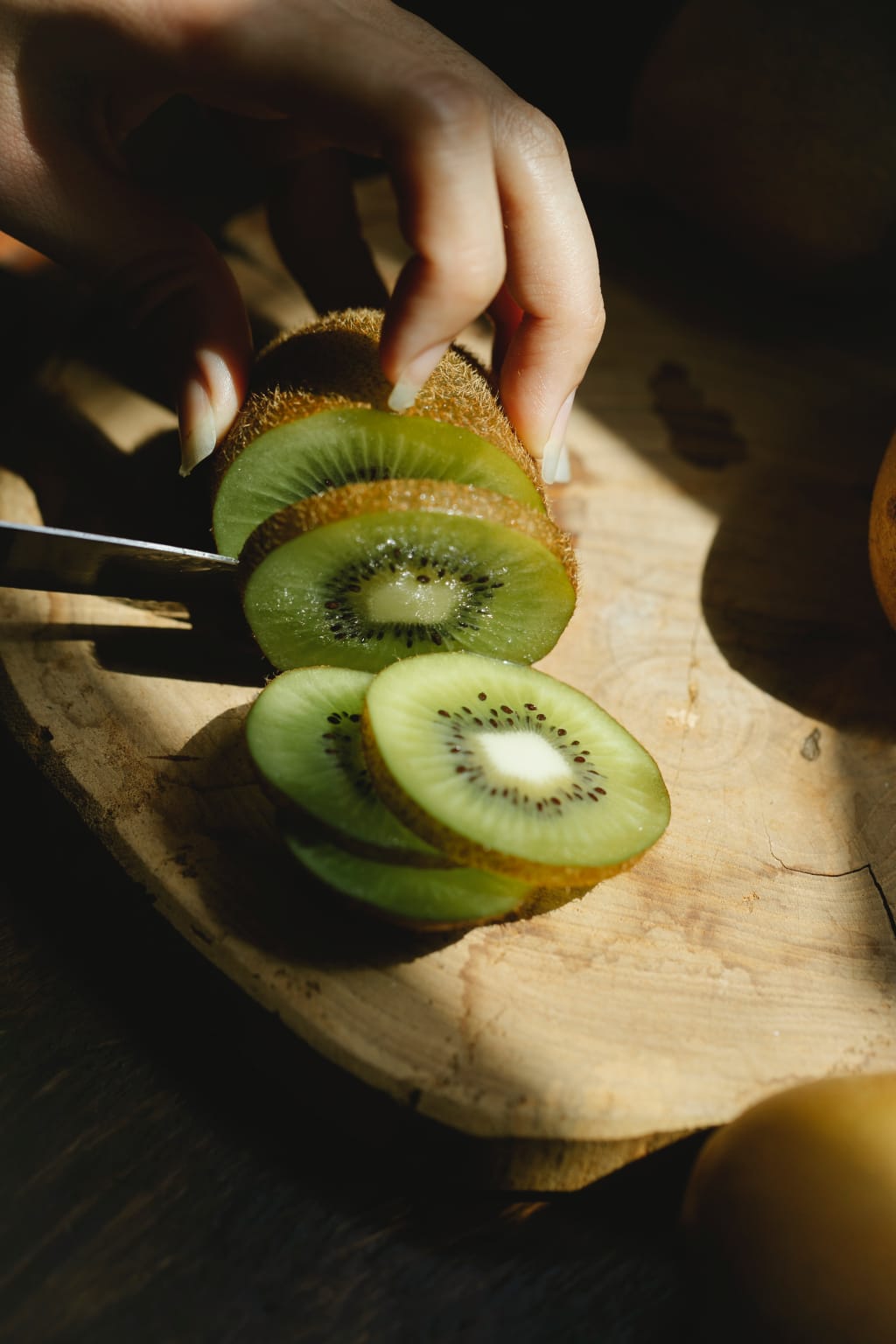
In the world of fruit cultivation, the emergence of the golden kiwi stands as a testament to innovative crossbreeding techniques and meticulous cultivation practices. This unique strain of kiwi, developed to possess unparalleled sweetness and a tender texture, has captured the attention of both consumers and growers alike. The journey of the golden kiwi, from its inception to its prominent role in the global market, reflects the intersection of agricultural innovation, intellectual property management, and international trade dynamics.
Distinctive Characteristics and Premium Appeal
The golden kiwi is no ordinary fruit. Its subtle palette, smooth skin, and consistent sweetness set it apart from its traditional green counterpart. The fruit, with hints of melon flavor, entices consumers seeking a more refined taste experience. The meticulous cultivation and stringent quality control measures result in a fruit that exudes both visual and gustatory appeal. These attributes, however, come at a premium—golden kiwis often command a market price nearly twice that of conventional green kiwis.
Intellectual Property and Controlled Cultivation
At the heart of the golden kiwi's success story lies a cooperative entity known as Zespri, which has effectively navigated the challenges of intellectual property management in agriculture. Zespri controls the cultivation and distribution of the Sun Gold strain, the coveted variety of golden kiwi. This exclusivity ensures that only licensed growers, who secure limited licenses through competitive bidding, are authorized to produce this sought-after fruit. This approach not only safeguards the strain's unique attributes but also allows Zespri to maintain quality standards and premium pricing.
Mastering the Art of Cultivation
Cultivating golden kiwis is an art that demands skill, patience, and attention to detail. Unlike traditional green kiwis, these delicate fruits require careful handling due to their hairless skin, which is easily damaged. Manual harvesting by gloved hands is the norm to prevent blemishes and maintain the fruit's pristine appearance. Additionally, rigorous criteria—ranging from taste to seed color—are imposed to ensure consistent quality.
Economic Resurgence and Global Recognition
The rise of golden kiwi has not only reinvigorated New Zealand's kiwi industry but also underscored the nation's prowess in agricultural innovation. After facing challenges from disease that decimated many kiwi orchards, the emergence of the Sun Gold strain provided a resilient solution. The strain's consistently sweet taste propelled it to prominence, contributing significantly to New Zealand's kiwi export value, amounting to billions of dollars.
International Impact and Unforeseen Challenges
As the golden kiwi gained global recognition, it also faced unforeseen challenges. Unauthorized orchards producing this premium fruit emerged in China, where kiwis are native. Zespri's efforts to regain control and protect its intellectual property have proven challenging, as illicit cultivation continues. The scenario highlights the complexity of managing intellectual property in the realm of agriculture, especially in cross-border trade.
A Fruitful Future
The golden kiwi's journey—from its humble beginnings as an innovative crossbreeding project to its status as a premium global commodity—offers a glimpse into the intricate web of factors that shape the agricultural industry. Its distinct qualities, controlled cultivation, and intellectual property management demonstrate how agricultural innovation can lead to economic resurgence and international recognition. However, the challenges it faces in maintaining exclusivity also shed light on the evolving dynamics of global trade in the world of agriculture.
About the Creator
Keep reading
More stories from Anu Preethi Danila D and writers in Humans and other communities.
The Exquisite Art of Fox Nut Production: A Journey Through Water Lily Seed Farming in Bihar, India
Introduction: In the heart of Bihar, India, lies a remarkable culinary treasure known as Fox nuts, or Makana, the seeds of the prickly water lily plant. These small, unassuming seeds, once popped, transform into a delectable and nutritious snack cherished by locals and gaining popularity worldwide. However, the journey from harvesting to popping the seeds is a labor-intensive and meticulous process that involves traditional techniques and dedicated farmers. Join us as we delve into the enchanting world of water lily seed farming in Bihar, uncovering the secrets behind Fox nut production.
By Anu Preethi Danila D3 years ago in Humans
Whiskey At Dusk
Guess the whiskey was more important to you in the end, wasn’t it? It was more than the well-being of your friends; more vital than showing up to the places you promised you would and could come to; more critical of a matter than fulfilling your damn responsibilities and getting the press off your back.
By Snarky Lisa5 days ago in Humans
The Most Kissed Face in History
The history of medicine is often a sterile chronicle of clinical trials, chemical formulas, and antiseptic laboratories. However, one of the most vital tools in modern emergency medicine—the CPR training manikin—is rooted in a 19th-century Parisian mystery that feels more like a work of Romantic poetry than a medical breakthrough. Every year, millions of students around the globe tilt back the head of a plastic doll to practice life-saving breaths, looking into the serene, frozen features of a woman known as L’Inconnue de la Seine: The Unknown Woman of the Seine.
By Richard Weber3 days ago in Humans


Comments
There are no comments for this story
Be the first to respond and start the conversation.