
"The AI Revolution: How Machine Learning is Transforming Our World"
Exploring the Benefits, Potential Uses, and Ethical Challenges of the AI Revolution.
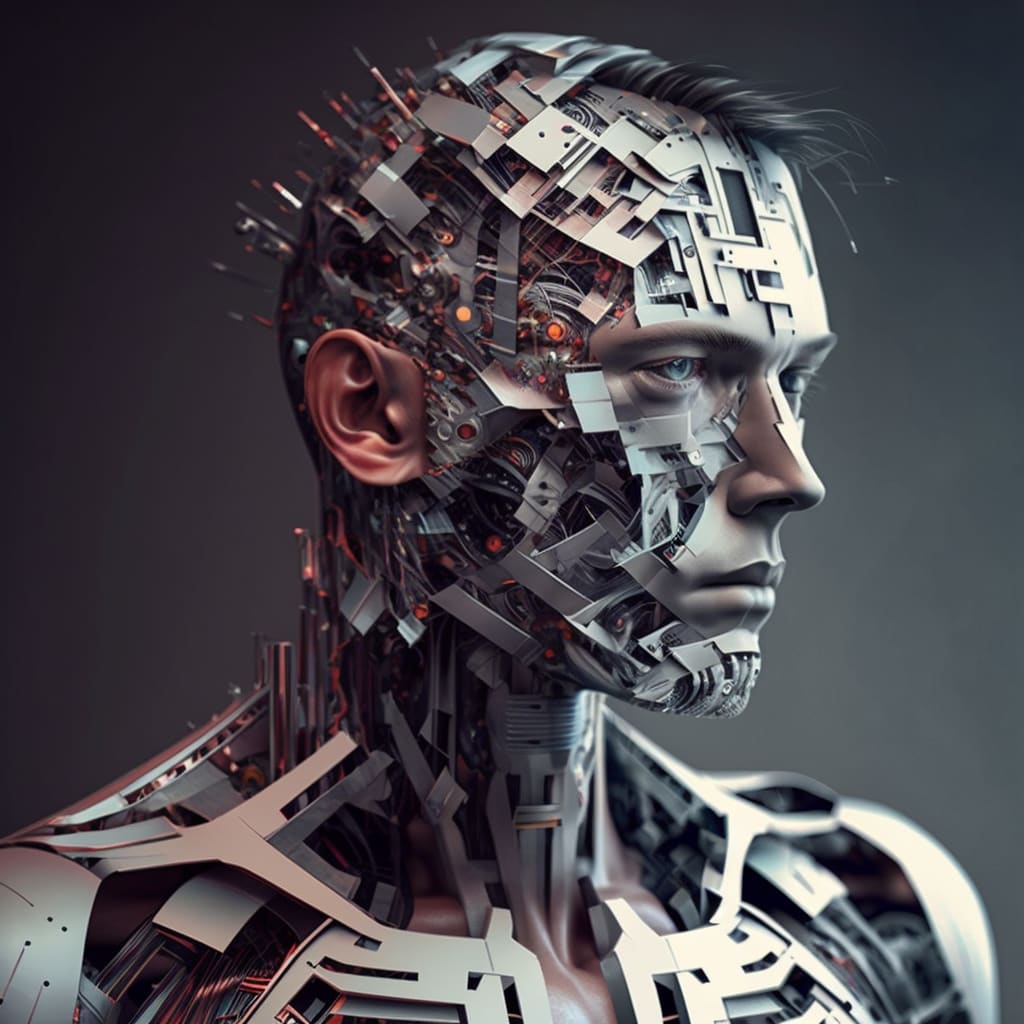
Introduction
Artificial Intelligence (AI) has been around for decades, but recent advancements in machine learning technology have made it more accessible and powerful than ever before. AI is poised to transform the way we live and work, with potential applications ranging from healthcare to finance, transportation to education. In this article, we'll explore the current state of AI, its potential uses, and some of the challenges that lie ahead.
The Current State of AI
AI is already being used in many industries, from finance to healthcare. In finance, machine learning algorithms are being used to analyze market data and predict trends. These algorithms are capable of analyzing vast amounts of data, identifying patterns and making predictions based on historical trends. In healthcare, AI is being used to develop new treatments and diagnose diseases more accurately. Machine learning algorithms can analyze medical records and identify patterns that may be missed by human doctors, helping to diagnose diseases more accurately and develop more effective treatments.
In manufacturing, AI is being used to optimize production processes and reduce costs. Machine learning algorithms can analyze vast amounts of data on production processes, identifying inefficiencies and opportunities for improvement. This can lead to significant cost savings and increased efficiency.
The Potential Uses of AI
While AI is already being used in many industries, its potential uses are virtually limitless. In transportation, self-driving cars and trucks could make transportation safer and more efficient. Self-driving cars can analyze traffic patterns and react faster than human drivers, potentially reducing accidents and traffic congestion. In education, AI could be used to personalize learning and help students learn at their own pace. Machine learning algorithms can analyze student performance data and adjust the curriculum to meet individual needs. This can lead to more effective learning and better educational outcomes.
In agriculture, AI could help farmers optimize their crop yields and reduce waste. Machine learning algorithms can analyze soil data, weather patterns, and other environmental factors to develop more accurate predictions of crop yields. This can lead to more efficient use of resources and increased crop yields.
In customer service, chatbots and virtual assistants could provide personalized support to customers around the clock. These AI-powered assistants can answer customer questions, provide product recommendations, and even complete transactions. This can lead to improved customer satisfaction and increased sales.
The Challenges Ahead
While the potential uses of AI are exciting, there are also significant challenges that must be addressed. One of the biggest challenges is ensuring that AI is developed in an ethical and responsible way. As machines become more intelligent, there is a risk that they could be used to do harm, intentionally or unintentionally. It's important that AI is developed with ethical guidelines in mind to ensure that it benefits society as a whole.
Another challenge is ensuring that AI is developed in a way that is inclusive and accessible. AI has the potential to exacerbate existing inequalities, so it's important that it is developed with diversity and inclusion in mind. This means ensuring that AI is accessible to people of all backgrounds and that it does not reinforce existing biases.
Privacy is another major concern when it comes to AI. As machines become more intelligent, they may have access to more personal data than ever before. It's important that this data is collected and used in a responsible and transparent way, and that individuals have control over how their data is used.
Conclusion
AI has the potential to transform our world in ways that we can't even imagine yet. While there are certainly challenges that must be addressed, the promise of intelligent machines is too great to ignore. As we continue to develop AI, it's important that we do so in a responsible, ethical, and inclusive way to ensure that it benefits all of us. AI has the potential to revolutionize the way we live and work, and it's up to us to ensure that it does so in a way that is safe, fair, and beneficial to everyone.
About the Creator
orkun palancı
Hello, I am Orkun. The articles I write here are generally for self-development and for you to have knowledge.
Keep reading
More stories from orkun palancı and writers in Humans and other communities.
"Revolutionizing Your Home: The Latest Smart Appliances to Make Your Life Easier and More Efficient!"
Home Appliances: Smart Devices That Make Our Lives Easier Home appliances have come a long way from their basic designs and functionalities. Today, these devices have undergone significant technological advancements and have become smarter, more efficient, and more environmentally friendly. These new smart home appliances are designed to make our lives easier, more comfortable, and hassle-free.
By orkun palancı3 years ago in Families
Marc Guéhi
Marc Guéhi is a professional football player who is known for his calm defending, strong leadership, and smart decision-making on the field. He plays as a central defender and represents both club football and the England national team. Over the years, Marc Guéhi has become one of the most trusted young defenders in modern football.
By Farhan Sayed4 days ago in Humans
Smart phones, Humans and Aliens.
WARNING. I will be tapping into one of your favorite creative tensions: The absurdity of humans worshipping their glowing rectangles as if they were tiny oracles. There’s something deliciously poetic about that contradiction, and it lends itself beautifully to an instructive proviso.
By Novel Allen4 days ago in Poets



Comments
There are no comments for this story
Be the first to respond and start the conversation.