
Techniques for Better Rest
The Impact of Yoga on Sleep Quality

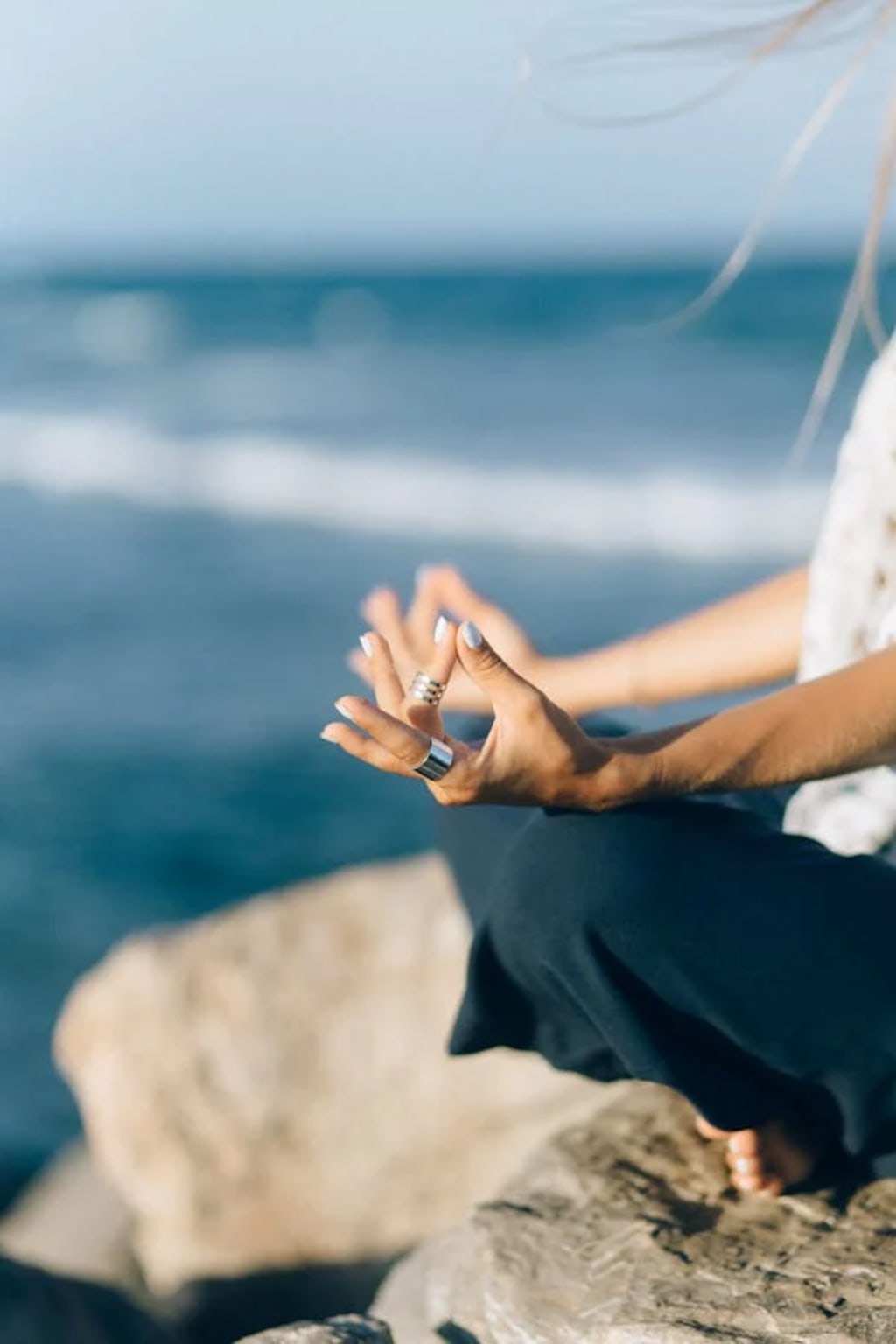
In today's fast-paced world, achieving restful sleep is a challenge for many. High stress levels, busy schedules, and the increasing reliance on digital screens make it difficult. Fortunately, yoga offers a natural, effective way to improve sleep quality. It incorporates physical postures, breathing exercises, and mindfulness techniques that reduce stress, calm the mind, and prepare the body for deep, restful sleep. This article will explore how yoga impacts sleep quality and share specific techniques that promote better rest.
How Yoga Improves Sleep Quality
Yoga has been shown to improve both the quality and duration of sleep through relaxation and stress-reduction techniques. Here’s a breakdown of the ways yoga supports better sleep:
Reduces stress and anxiety: High stress levels are a leading cause of sleep disturbances. Yoga's physical postures and breathing exercises reduce cortisol, the stress hormone, and stimulate the parasympathetic nervous system. This promotes relaxation, making it easier to fall asleep and stay asleep.
Balances the Nervous System: Yoga activates the body’s relaxation response, or the “rest and digest” mode, through deep breathing and mindfulness. This response counters the “fight or flight” response, leading to a calmer state that supports sleep.
Improves Physical Relaxation: Many people experience muscle tension and physical discomfort that can interfere with sleep. Yoga postures release built-up tension, especially in areas like the neck, shoulders, and lower back. This promotes relaxation and makes it easier to fall asleep comfortably.
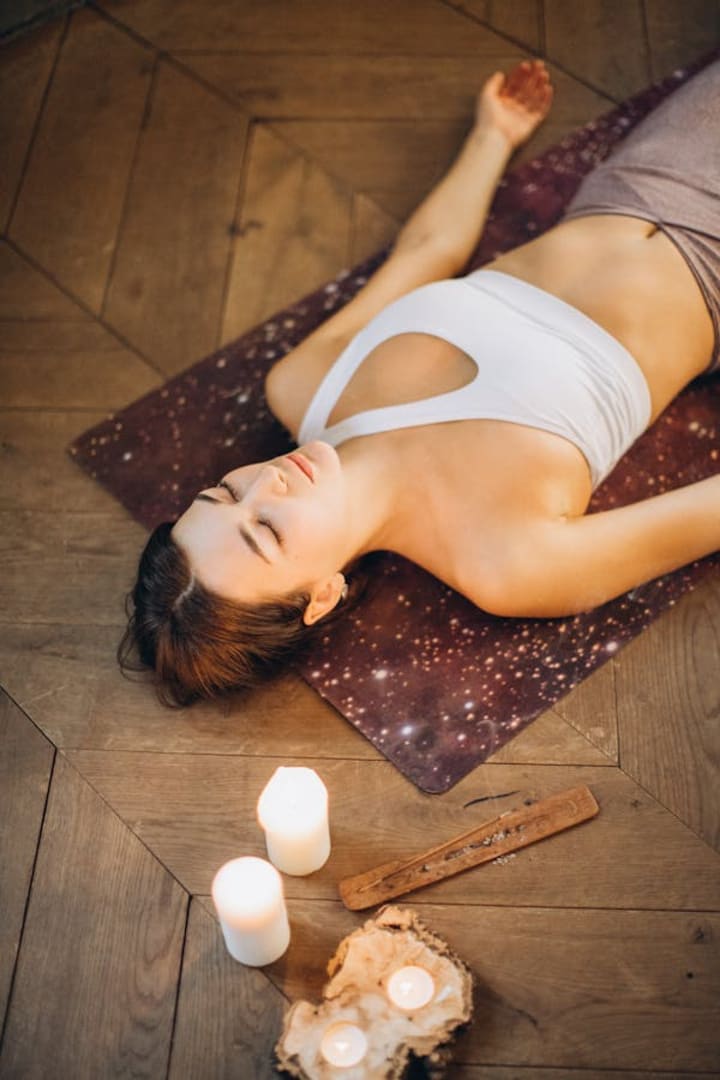
Promotes Mindfulness and Mental Clarity: Practicing yoga cultivates mindfulness, allowing individuals to be more aware of their thoughts and feelings without becoming overwhelmed. This awareness prevents the mind from racing before bedtime, enabling a peaceful transition into sleep.
Regulates the Body’s Sleep-Wake Cycle: Certain yoga poses and breathing exercises can help regulate the circadian rhythm, the body’s natural sleep-wake cycle. When practiced consistently, yoga supports a regular sleep schedule, making it easier to fall asleep and wake up at the same time each day.
Yoga Techniques for Better Sleep
Several specific yoga techniques are especially beneficial for promoting relaxation and preparing the body for sleep. Incorporating these practices into your bedtime routine can create a calming ritual that signals to the body that it’s time to rest.
1. Gentle Stretching
Engaging in gentle stretching before bed can help release tension from muscles and ease physical discomfort. This not only improves circulation but also provides a sense of physical relaxation.
Forward Fold (Uttanasana): This calming pose stretches the hamstrings and lower back. To perform a forward fold, stand with feet hip-width apart and gently bend forward from the hips, allowing your arms to hang. This position encourages relaxation in the spine and has a soothing effect on the nervous system.
Child’s Pose (Balasana): Child’s Pose is a restful posture that stretches the back, shoulders, and hips. Kneel on the floor, sit back on your heels, and extend your arms forward while lowering your chest to the ground. This pose is known to relieve tension and promote a sense of calm.
2. Deep Breathing (Pranayama)
Breathing exercises, or pranayama, can help relax the mind and prepare the body for sleep by slowing the heart rate and calming the nervous system.
4-7-8 Breathing: This technique, by activating the parasympathetic nervous system, fosters relaxation. Inhale through the nose for four counts, hold for seven, and exhale through the mouth for eight. Repeat this cycle three to five times.
Alternate Nostril Breathing (Nadi Shodhana): This method balances energy and diminishes stress. Sit comfortably, close your right nostril with your thumb, and inhale through the left. Then, close the left nostril with your ring finger, release the right, and exhale. Alternate nostrils with each breath, repeating for a few minutes.
3. Restorative Yoga Poses
These poses calm the body and mind without exertion, making them perfect for unwinding before sleep.
Legs Up the Wall (Viparita Karani): This pose relieves tired legs, reduces swelling, and promotes relaxation by enhancing blood flow to the heart. Sit close to a wall, lie back, and extend your legs up the wall. Rest with your arms by your sides and breathe deeply for five to ten minutes.

Reclining Bound Angle Pose (Supta Baddha Konasana): Lie on your back, bend your knees, and bring the soles of your feet together, allowing your knees to open to the sides. Place your hands on your belly and focus on your breath. This pose gently opens the hips and calms the mind.
4. Meditation and mindfulness
Incorporating mindfulness or meditation into your routine before sleep can help clear the mind of intrusive thoughts and cultivate a sense of inner calm.
Body Scan Meditation: This technique involves mentally scanning each part of the body, from head to toe, releasing tension and promoting relaxation. Lie down in a comfortable position, close your eyes, and slowly focus on each area of your body, relaxing each muscle as you move down from head to feet.
Guided Meditation: Using guided meditation for sleep can help direct the mind toward relaxation. Many apps offer sleep-focused guided meditations, or you can find videos online that guide you into a deep, restful state.
Incorporating Yoga into Your Nightly Routine
Creating a consistent bedtime yoga routine signals to your body that it’s time to relax and prepare for sleep. Practicing yoga around 30 minutes to an hour before bedtime allows time to unwind and let go of the day’s stress. Focus on gentle poses, breathing exercises, and mindfulness techniques that calm the body and mind rather than energize it.
Final Thoughts
Yoga can be a powerful tool for improving sleep quality, helping individuals manage stress, release tension, and create a sense of tranquility. By incorporating gentle stretching, pranayama, restorative poses, and mindfulness exercises into your nightly routine, you can enhance relaxation and achieve a deeper, more restful sleep. Over time, a regular yoga practice can support a healthier sleep pattern, providing long-lasting benefits for both mental and physical well-being.
About the Creator
William
I'm William, a passionate writer🏋️♂️ Health & Fitness Advocate 🌱 | Sharing tips on workouts 💪, nutrition 🥗, and wellness 🌞 to help you live a balanced, active life. Let’s reach your fitness goals together! 🌟
Thief In The Night
To the thief in the night that took and replicated what once was mine: Honestly, I feel kind of bad for you. It’s funny, because we hardly know each other. I only know of you through the magazines you’ve written and the broadcasts you have televised in the past — as well as through the public mentions of you from your show business connections there.
By Snarky Lisa7 days ago in Humans


Comments
There are no comments for this story
Be the first to respond and start the conversation.