
Sustainability Meets Technology: How AI is Combating Climate Change
Harnessing Artificial Intelligence to Build a Sustainable Future

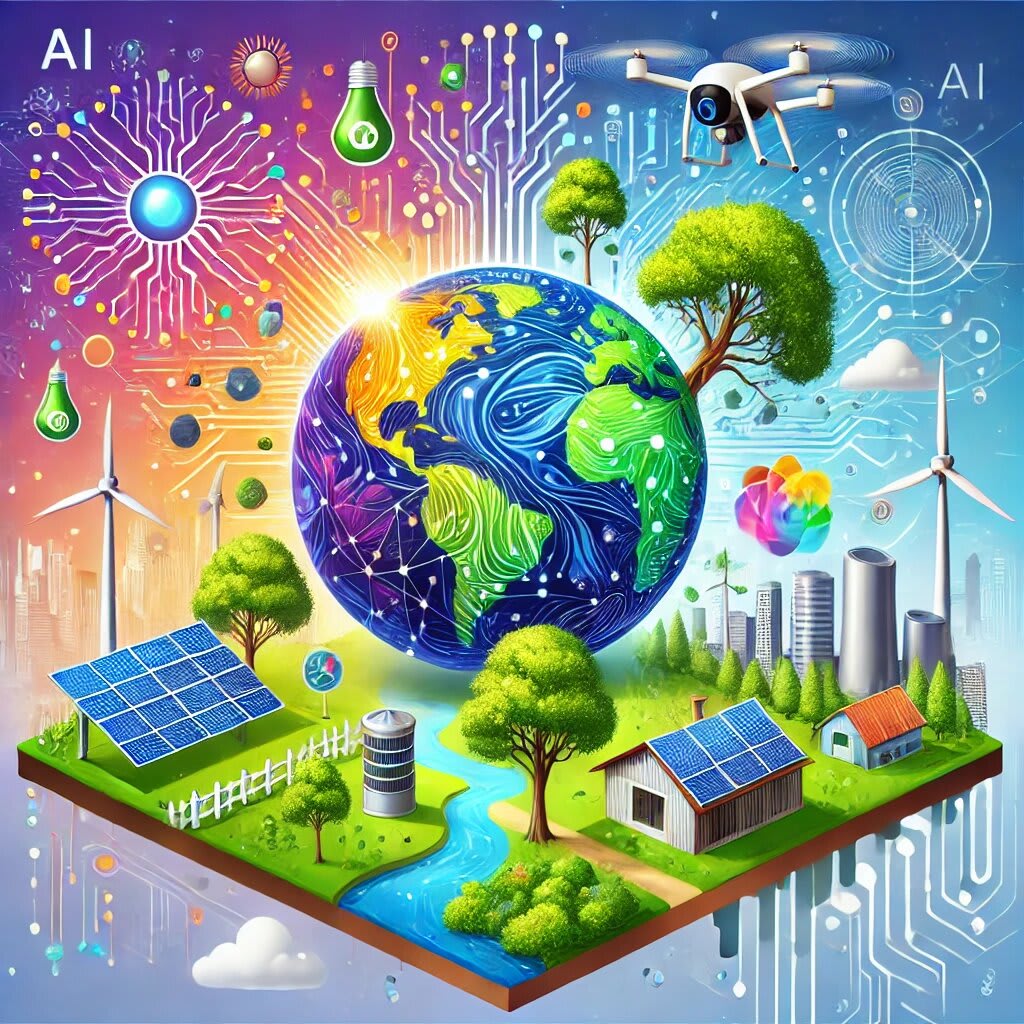
Sustainability Meets Technology: How AI is Combating Climate Change
Climate change is one of the most pressing challenges of our time, affecting ecosystems, economies, and communities worldwide. While the problem is vast, technology—specifically artificial intelligence (AI)—offers innovative solutions to tackle this global crisis. By analyzing complex data, optimizing systems, and enabling sustainable practices, AI is emerging as a powerful tool in the fight against climate change.
In this article, we’ll explore how AI is being used to combat climate change and why it holds promise for a greener future.
1. Optimizing Renewable Energy
The transition to renewable energy sources, such as solar and wind, is critical for reducing greenhouse gas emissions. AI plays a pivotal role in making these energy systems more efficient and reliable.
Key Applications:
Energy Forecasting: AI predicts weather patterns to optimize the performance of solar panels and wind turbines, ensuring consistent energy output.
Smart Grids: AI-powered systems balance energy supply and demand, reducing waste and improving the stability of renewable energy grids.
Impact:
Increased efficiency in renewable energy production.
Reduced dependency on fossil fuels.
2. Reducing Carbon Emissions
AI is helping industries and governments identify and reduce sources of carbon emissions through data analysis and automation.
Examples:
Transportation: AI improves traffic flow, optimizes delivery routes, and promotes fuel efficiency, reducing emissions from vehicles.
Carbon Capture and Storage (CCS): AI enhances the efficiency of CCS technologies by identifying optimal locations and methods for capturing and storing CO₂.
Impact:
Significant reductions in carbon footprints across industries.
Better-informed climate policies through data insights.
3. Monitoring and Protecting Ecosystems
AI-powered tools are being used to monitor ecosystems, track biodiversity, and detect environmental changes in real time.
Applications:
Satellite Monitoring: AI analyzes satellite imagery to track deforestation, glacier melting, and other environmental changes.
Wildlife Conservation: AI tools monitor endangered species, detect poaching activity, and analyze habitats to support conservation efforts.
Impact:
Enhanced ability to protect natural resources and wildlife.
Timely interventions to prevent ecological disasters.
4. Sustainable Agriculture
Agriculture is both a victim of and contributor to climate change. AI is helping farmers adopt sustainable practices that reduce emissions and improve resilience to climate impacts.
Applications:
Precision Farming: AI analyzes soil health, weather conditions, and crop needs to optimize irrigation and fertilization, reducing resource waste.
Crop Monitoring: AI-powered drones and sensors detect pests and diseases early, minimizing the need for chemical treatments.
Impact:
Reduced environmental impact of farming.
Increased food security in the face of climate challenges.
5. Climate Modeling and Predictions
Understanding and predicting climate patterns is crucial for developing effective mitigation and adaptation strategies. AI excels at analyzing vast amounts of climate data to produce accurate models.
Examples:
Weather Prediction: AI improves the accuracy of weather forecasts, helping communities prepare for extreme weather events.
Climate Risk Analysis: AI models identify regions most at risk from rising sea levels, heatwaves, or other climate-related threats.
Impact:
Better planning and resource allocation for climate adaptation.
Improved disaster preparedness and response.
6. Advancing Circular Economy Practices
AI supports the development of a circular economy by optimizing the use of resources, reducing waste, and promoting recycling.
How AI Contributes:
Waste Sorting: AI-powered robots efficiently sort recyclable materials, reducing contamination in recycling streams.
Supply Chain Optimization: AI identifies opportunities to reuse materials and minimize waste in manufacturing processes.
Impact:
Reduced environmental degradation from waste.
More sustainable use of natural resources.
Challenges and Considerations
While AI offers immense potential, its application in combating climate change is not without challenges:
Energy Consumption: Training and running AI models require significant computational power, which can increase energy use.
Data Availability: Effective AI systems rely on high-quality data, which may be difficult to obtain in certain regions.
Ethical Concerns: Ensuring AI systems are used responsibly and equitably is critical to avoid exacerbating social inequalities.
The Future of AI in Climate Action
The integration of AI into climate solutions is still in its early stages, but the potential is enormous. As technology advances, we can expect to see:
Greater collaboration between governments, businesses, and researchers to scale AI-driven solutions.
Increased investment in sustainable AI practices, such as using renewable energy to power data centers.
Broader adoption of AI tools to engage individuals and communities in climate action.
Conclusion
Artificial intelligence is proving to be a powerful ally in the fight against climate change. From optimizing renewable energy systems to protecting ecosystems and promoting sustainable practices, AI is helping us tackle this global crisis more effectively than ever before. However, its success depends on thoughtful implementation, equitable access, and ongoing innovation.
By embracing AI as part of a comprehensive strategy to combat climate change, we can move closer to a sustainable and resilient future for generations to come. The question is not whether AI can help—it’s how we can harness its potential responsibly and effectively.
About the Creator
Dr.Writes
I’m a healthcare practitioner who loves sharing simple tips and ideas to help people live healthier, happier lives. My background in health allows me to break down complex topics into easy-to-understand advice that anyone can use.



Comments
There are no comments for this story
Be the first to respond and start the conversation.