
Surgical vs Non-Surgical Treatments for Pituitary Tumors in Turkey
Pituitary Tumors in Turkey

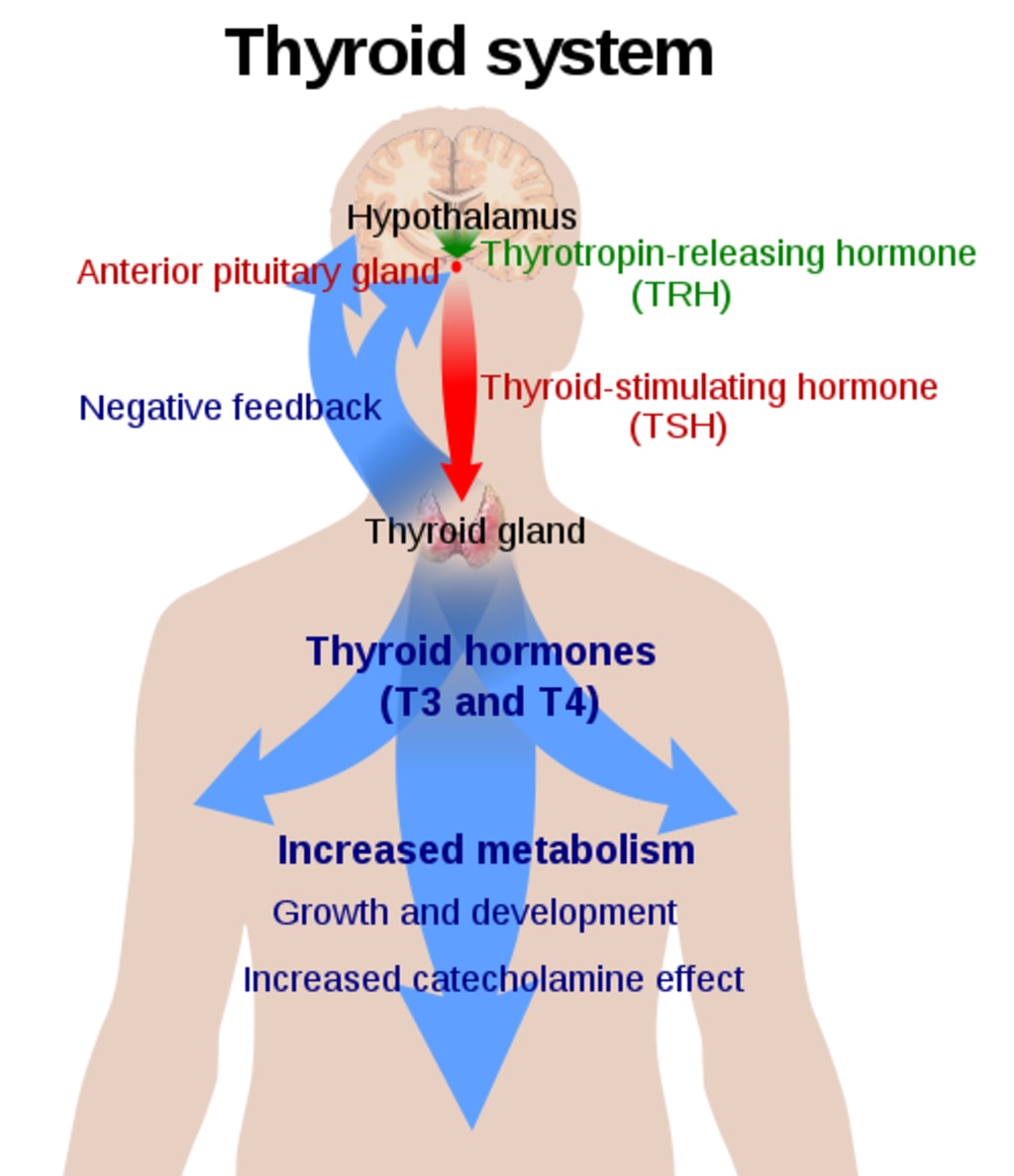
The pituitary gland, a little organ situated at the base of the brain, can develop abnormal growths called pituitary tumors. The symptoms of these tumors, which include hormone imbalances, visual issues, headaches, and more, can range from benign (non-cancerous) to malignant (cancerous). Pituitary tumors can be treated in Turkey in various ways, including surgical and non-surgical methods.
Surgery is used to treat tumors by removing them through a surgical operation. This can be accomplished via a variety of methods, such as craniotomy, which is cutting a hole in the skull to remove the tumor, or transsphenoidal surgery, which involves accessing the tumor through the nasal passages.
On the other hand, non-surgical treatments work to alleviate symptoms and control tumor growth without removing the tumor. These could include prescription drugs, radiation treatment, or other specialized treatments.
Turkey has been a well-liked location for medical tourism, which includes pituitary tumor therapy. Turkey provides a variety of possibilities for people looking for treatment for pituitary tumors due to its sophisticated healthcare infrastructure, highly qualified medical staff, and pituitary tumor treatment cost in Turkey.
Surgical Treatment Options for Pituitary Tumors in Turkey
In Turkey, patients with pituitary tumors can benefit from cutting-edge surgical procedures that provide efficient care. Depending on the size, location, and nature of the tumor, a variety of surgical methods can be employed to remove pituitary tumors –
- Transsphenoidal Surgery – Transsphenoidal surgery is a minimally invasive surgical technique that reaches the tumor through the nasal passages rather than through any exterior incisions.
- Endoscopic Surgery –A narrow tube containing a light and camera is called an endoscope, and it is used in endoscopic surgery to see and remove tumors. It permits precision tumor excision while minimizing harm to the surrounding tissues.
- Stereotactic Radiosurgery – It is a minimally invasive surgical procedure that targets and kills tumor cells with highly focussed radiation. Small tumors or tumors that cannot be surgically removed generally require it.
- Neuro Endoscopy – A small tube with a camera is used in the specialized surgical procedure known as neuro endoscopy to view and remove the tumor. It enables accurate tumor removal with little harm to other tissues.
- Transcranial Surgery – This is a common surgical technique that entails cutting a hole in the skull to gain access to the tumor. It might be suggested for large or intricate tumors that are resistant to other removal methods.
Overall, the surgical options for treating pituitary tumors in Turkey are very sophisticated, giving patients access to state-of-the-art procedures and highly qualified doctors who are experienced in treating pituitary tumors. Patients can anticipate individualized treatment regimens created specifically for them, with thorough preoperative and postoperative care to optimize results and raise the quality of life.
Non-Surgical Treatment Approaches for Pituitary Tumors in Turkey
In Turkey, the following non-surgical therapy options for pituitary tumors are frequently used –
- Medication – Treatment for pituitary tumors frequently involves the use of medication. They might include hormone replacement therapy to control hormonal imbalances brought on by the tumor or drugs that specifically target receptors on the tumor cells to stop the growth of those cells.
- High-Energy Beams – They are used in radiation therapy to either kill or stop the growth of tumor cells. It can be applied as an adjuvant therapy following surgery to stop tumor recurrence or as a main therapy for tumors that cannot be surgically excised.
- Hormone Replacement Therapy –Pituitary tumors can upset the body's normal hormonal balance. In order to address hormonal imbalances and related symptoms, hormone replacement therapy may be utilized to augment or replace the hormones that are inadequate as a result of the tumor.
Drugs known as "targeted therapies" deliberately target certain receptors or proteins on tumor cells in an effort to slow or stop the spread of cancer.
- Multidisciplinary Care – In Turkey, non-surgical treatment methods for pituitary tumors frequently involve a multidisciplinary team of medical experts, including endocrinologists, neurosurgeons, radiation oncologists, and other specialists who collaborate to deliver thorough care and improve treatment outcomes.
Benefits of Surgical Treatment for Pituitary Tumors in Turkey
Turkey's surgical management of pituitary tumors is popular and successful because it has a number of advantages over other countries. The following are some major advantages of surgical removal of pituitary tumors in Turkey –
- Surgical intervention offers the chance to entirely remove the pituitary tumor, which can help control tumor growth and avoid additional difficulties.
- Surgery can quickly alleviate symptoms brought on by pituitary tumors, including headaches, visual issues, hormonal abnormalities, and other related symptoms.
- Each patient's particular situation can be addressed using a surgical procedure adapted to the tumor's location, size, and features. By carefully focusing on the tumor, the surgical team can reduce harm to the surrounding healthy tissues.
- Compared to conventional open operations, minimally invasive techniques, such as endoscopic ones, enable smaller incisions, less scarring, and quicker recovery times.
- A multidisciplinary team of medical experts, including neurosurgeons, endocrinologists, radiologists, and other specialists, frequently works together to provide comprehensive care and improve treatment outcomes when treating pituitary tumors surgically in Turkey.
Overall, surgical removal of pituitary tumors in Turkey has a number of advantages, such as complete tumor removal, quick symptom relief, individualized approach, minimally invasive techniques, multidisciplinary care, high success rates, long-term management, quicker results, improved hormonal balance, and thorough evaluation. The best course of therapy should be chosen in consultation with a skilled healthcare practitioner based on the needs of each individual patient and the features of the tumor.
Advantages of Non-Surgical Treatment for Pituitary Tumors in Turkey
Turkish non-surgical ways to treat pituitary tumors have various benefits for people who may not be good surgical candidates or who prefer non-invasive treatments. The following are some significant benefits of Turkish non-surgical treatment for pituitary tumors –
- Compared to surgery, non-surgical treatments are less harmful and have fewer consequences because they don't involve invasive procedures or incisions, like medicines and radiation therapy.
- By limiting tumor growth and minimizing the hormonal imbalances brought on by the tumor, non-surgical treatments, such as medicines, can aid in preserving pituitary function. This can assist in preventing potential issues that could arise from the surgical excision of the tumor, which might affect the pituitary gland's ability to produce hormones.
- Patients can obtain treatment without the need for hospitalization or protracted recovery periods thanks to non-surgical treatments like medicine, which are frequently delivered on an outpatient basis.
- Patients can return to their regular activities more quickly after non-surgical therapies because they often require less time to recover than surgical procedures.
Cost of Surgical and Non-Surgical Treatments for Pituitary Tumors in Turkey
Pituitary tumor treatment costs in Turkey might differ based on a number of variables, including the type of treatment, the intricacy of the tumor, the facility's location, and the patient's unique requirements.
In Turkey, surgical procedures to remove pituitary tumors may come with costs associated with hospitalization, physician fees, anesthesia, imaging tests, postoperative care, and drugs. The price can change based on the kind of surgery done, such as craniotomy or endoscopic transsphenoidal surgery, as well as how long the patient must stay in the hospital.
Due to the requirement for operating room facilities, specialized equipment, and surgical experience, surgical therapies typically cost more than non-surgical ones. Pituitary tumor treatment costs in Turkey costs around USD 9600 to USD 14400.
Turkish physicians use pharmaceutical, radiation, or other targeted therapies to treat pituitary tumors non-surgically. The type and length of prescription medicine, the frequency and length of radiation therapy sessions, and the particular type of targeted therapy employed can all affect the cost of non-surgical procedures.
Cost Comparison of Surgical and Non-Surgical Treatments for Pituitary Tumors in Turkey
A number of variables can affect pituitary tumor treatment costs in Turkey. Due to the specialized equipment, operating room facilities, and surgical experience needed, surgical therapies typically cost more than non-surgical ones.
In Turkey, surgical procedures to treat pituitary tumors may incur costs for hospitalization, physician fees, anesthesia, imaging tests, postoperative care, and drugs. Pituitary tumor treatment costs in Turkey change based on the kind of surgery done, such as craniotomy or endoscopic transsphenoidal surgery, as well as how long the patient must stay in the hospital.
On the other side, pharmaceutical therapy, radiation therapy, or other targeted therapies may be used as non-surgical treatments for pituitary tumors in Turkey. Non-surgical therapies may occasionally need to be continued, including frequent follow-up visits, which might raise the overall cost.
Conclusion
In conclusion, a variety of surgical and non-surgical therapeutic options are available in Turkey for the management of pituitary tumors. The advantage of quick tumor removal may be provided by surgical procedures such as endoscopic transsphenoidal surgery or craniotomy. However, these procedures include potential risks and problems. Although non-surgical procedures like radiation therapy or pharmaceutical therapy may be less invasive and have fewer dangers, they also need continuing administration and supervision.
In Turkey, the choice between surgical and non-surgical therapies for pituitary tumors depends on a number of variables, including the type and size of the tumor, the patient's general health, and the medical professionals' training.
About the Creator
Keep reading
More stories from Aman yadav and writers in Humans and other communities.
Understanding Fallopian Tube Cancer Treatment Cost in Turkey
Fallopian tube cancer is sporadic, accounting for just 1-2% of all gynecological cancers. Cancer generally does not originate in the tubes but spreads from other body parts, mainly from the endometrium or ovaries.
By Aman yadav3 years ago in Humans
David Common: Wife, CBC Salary, Age, Height, Parents & More
David Common is a respected Canadian journalist and television host known for his long career with CBC News. Over the years, he has worked as a foreign correspondent, national reporter, radio host, and television presenter.
By Enoch Sagini5 days ago in Humans


Comments
There are no comments for this story
Be the first to respond and start the conversation.