
Sunshine for Farmers: The Impact of the PM KUSUM Solar Yojana
In recent years, the Indian government has launched several ambitious initiatives aimed at transforming the agricultural landscape of the country

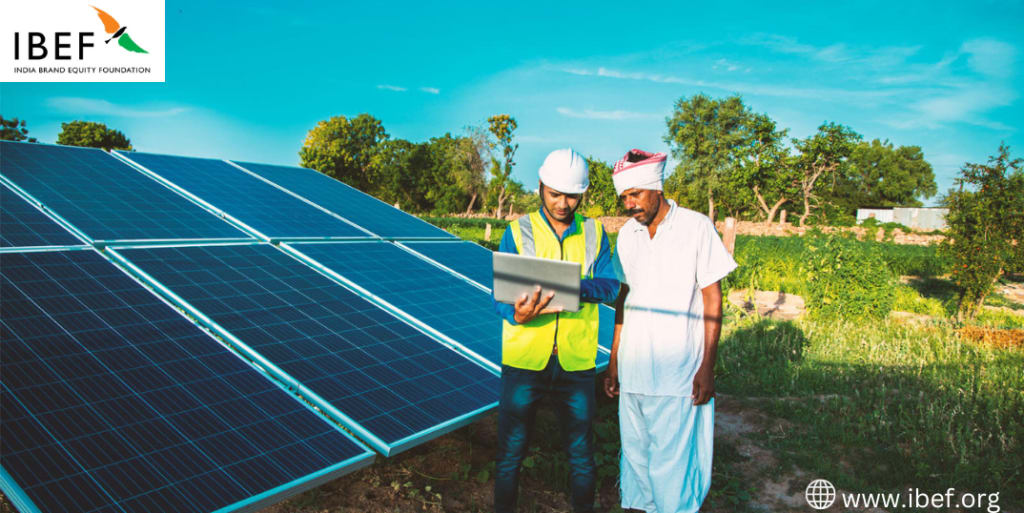
In recent years, the Indian government has launched several ambitious initiatives aimed at transforming the agricultural landscape of the country. One such groundbreaking scheme is the Pradhan Mantri Kisan Urja Suraksha evam Utthaan Mahabhiyan, more commonly known as PM KUSUM Solar Yojana. This visionary program holds the promise of not only revolutionizing farming practices but also significantly impacting the lives of millions of farmers across India.
Understanding PM KUSUM Solar Yojana
The PM KUSUM Yojana was launched with the primary objective of promoting the use of solar energy among farmers. This initiative is part of the government's larger commitment to sustainable development and reducing the carbon footprint of agriculture. Under this scheme, farmers are encouraged to set up solar power plants on their barren or fallow lands, which can then be used to generate electricity primarily for their own consumption. Additionally, any surplus electricity generated can be sold to the grid, providing farmers with an additional source of income.
Key Components of PM KUSUM Solar Yojana
Solar Pumps: One of the key components of the PM KUSUM scheme is the installation of solar-powered irrigation pumps. These pumps not only help farmers reduce their dependence on diesel and electricity but also enable them to irrigate their fields more efficiently and cost-effectively.
Solarization of Grid-Connected Pumps: Under this component, existing grid-connected agricultural pumps are solarized, thereby promoting the use of clean energy and reducing the burden on conventional sources of electricity.
Solar Power Plants on Barren/Fallow Lands: Farmers are incentivized to set up small-scale solar power plants on their barren or fallow lands. This not only generates clean energy but also makes productive use of otherwise unused land.
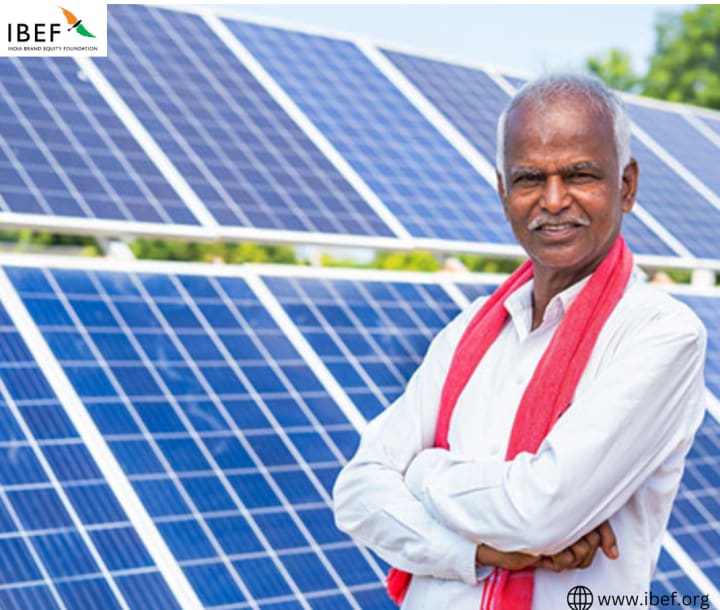
Impact of PM KUSUM Solar Yojana
Economic Impact
The PM KUSUM Solar Yojana has the potential to bring about a significant economic transformation in rural India:
Cost Savings: By harnessing solar energy, farmers can substantially reduce their electricity bills, which often form a significant portion of their operational costs.
Income Generation: The ability to sell surplus electricity back to the grid provides farmers with a steady additional income stream, thereby improving their financial stability.
Environmental Impact
From an environmental perspective, the benefits of the PM KUSUM scheme are manifold:
Reduction in Carbon Emissions: Solar energy is clean and renewable, leading to a reduction in greenhouse gas emissions associated with traditional energy sources.
Water Conservation: Efficient irrigation through solar pumps helps conserve water resources, making agriculture more sustainable in the long run.
Social Impact
The PM KUSUM Scheme also has important social implications:
Empowerment of Farmers: By enabling farmers to become energy producers, the scheme empowers them economically and enhances their status in society.
Rural Development: The installation and maintenance of solar infrastructure create employment opportunities in rural areas, thereby contributing to local economic development.
Challenges and the Way Forward
While the PM KUSUM Scheme holds immense promise, its implementation has faced certain challenges:
Awareness and Outreach: Ensuring that all eligible farmers are aware of the scheme and can easily access its benefits remains a challenge.
Financial Viability: Initial investment costs for setting up solar infrastructure can be prohibitive for some farmers, necessitating robust financial support mechanisms.
To overcome these challenges, concerted efforts are required from both governmental agencies and non-governmental organizations to streamline the implementation process, provide technical assistance, and offer financial incentives where needed.
The PM KUSUM Solar Yojana represents a paradigm shift in how we perceive and utilize energy in the agricultural sector. By harnessing the power of the sun, this initiative not only promises to make farming more sustainable and cost-effective but also contributes significantly to India's renewable energy goals. As the scheme continues to evolve and expand, its impact on farmers' lives and the environment is expected to grow exponentially, paving the way for a brighter and more sustainable future for agriculture in India.
In essence, PM KUSUM Solar Yojana is not just about solar energy; it's about empowering farmers, conserving resources, and building a resilient agricultural sector for generations to come.
About the Creator
IBEF India
The India Brand Equity Foundation is an organization that works towards promoting the Made in India label globally, and creating awareness of Indian products. The group coordinates with stakeholders to provide data on investment ideas.
Keep reading
More stories from IBEF India and writers in Humans and other communities.
How to Use Data to Drive Sales in FMCG Ecommerce
In today's fast-paced digital landscape, the FMCG (Fast-Moving Consumer Goods) sector has witnessed a remarkable transformation in the way it operates. The advent of ecommerce has brought about a significant shift in consumer behavior, and businesses in this industry are increasingly recognizing the power of data to drive sales. In this article, we will explore how data can be harnessed effectively to enhance sales strategies and elevate FMCG ecommerce success.
By IBEF India2 years ago in Journal
John Forte and the Long Road Back to Meaningful Music Life
Some lives move in straight lines. Others bend, break, and slowly find their way back. The story of john forte belongs to the second kind. It is not loud or glossy. It is quiet, heavy, and deeply human. His name often appears in the margins of hip hop history, yet his journey speaks to anyone who has made mistakes and carried them for years. This is a story about music, loss, time, and patience. It is about how a person can fall far, sit with that fall, and still choose to create something honest. If you have ever wondered how art survives prison walls, or how identity survives shame, this story stays with you.
By Muqadas khan6 days ago in Humans
Miss Persephone's Manual to a Seemingly Ordinary Life
Miss Persephone was found at the dining table, her blue eyes swollen, her tears arriving and retreating like the tides of the ocean. Earlier that day, her family had visited her in the retirement home where she had lived for eight years. It was her eightieth birthday.
By Imola Tóth5 days ago in Fiction



Comments
There are no comments for this story
Be the first to respond and start the conversation.