
Street Dogs of Peru

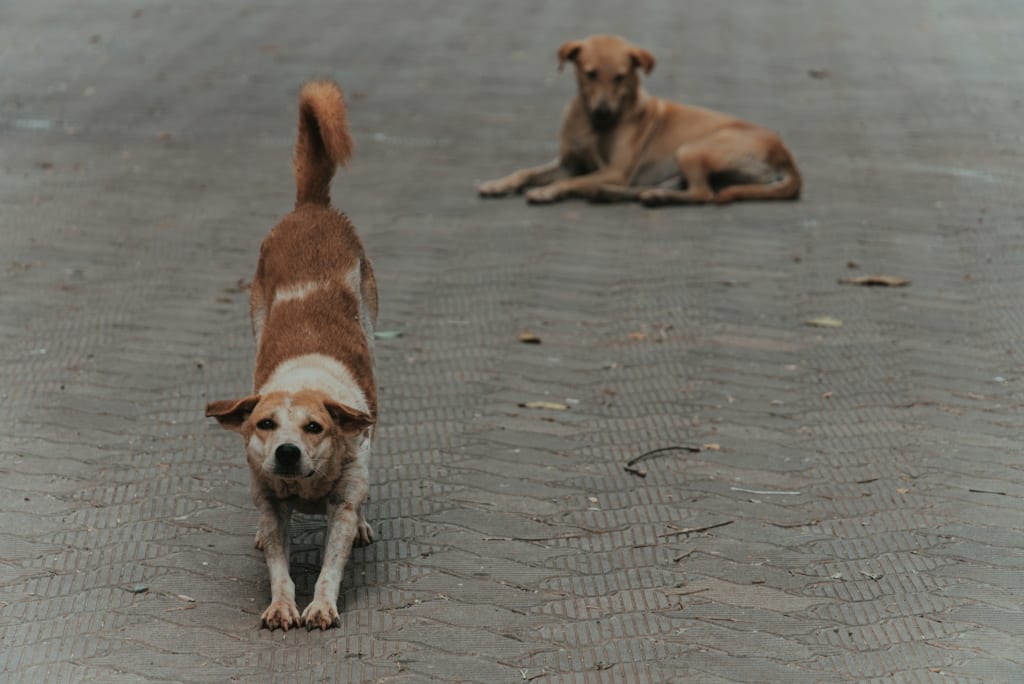
Peru, a country of breathtaking landscapes and rich culture, holds many surprises for those who visit its bustling cities and quaint towns. Among these surprises is the sight of free-roaming dogs and cats wandering the streets with an air of familiarity and ease. Unlike the regulations seen in countries like the United States, where pets are typically confined to homes, yards, or leashed during their outdoor excursions, in Peru, these animals roam freely yet are still identifiable as pets. Their presence offers a unique cultural perspective on pet ownership and community living.
Freedom and Community
As you stroll through the vibrant streets of Lima, Cusco, or Arequipa, you might notice a curious scene: dogs wandering individualistically, sniffing at market stalls, lounging near café terraces, or trotting alongside locals on their daily routines. The community respects these animals, and both dogs and cats seem to navigate the urban landscape with confidence and purpose.
In Peru, free-roaming pets often wear collars, some adorned with stylish sweaters or coats during cooler months. This suggests they have loving owners who care for their well-being, even if their pets spend a significant portion of their day exploring the neighborhood. It's not uncommon to see a dog adorned in a colorful outfit, trotting happily behind a street vendor or napping in a park, blending seamlessly with the urban scenery.
Social Bonds and Responsibility
The unique lifestyle of Peruvian pets underscores the communal bond between humans and animals. These free-roaming pets aren't strays but are part of a community network that recognizes and respects their freedom. The animals are generally well-groomed and healthy, further indicating that their owners provide the necessary care and resources.
This approach reflects a cultural understanding and acceptance of semi-autonomous pet lifestyles. Communities implicitly share responsibility in looking out for these animals, unfazed by their presence in public spaces. In return, the animals display impressive street smarts, recognizing their local boundaries and knowing exactly where and when to return home.
Contrasts with the United States
In the United States, pets tend to be more restricted in movement. Leash laws and concerns about wildlife, traffic, and urban threats necessitate a different approach. American pets are usually kept within homes, fenced yards, or are leashed during walks. This controlled environment aims to protect pets from danger and ensure their safety, but it limits their autonomy.
The contrast between these two countries’ approaches to pet life illustrates differing societal and cultural norms regarding animal freedom and responsibility. While American pet culture prioritizes control and protection, the Peruvian model embraces a more trusting, open-ended interaction between the community and animals.
The Role of Environment
One reason for this stark difference might be the environment and infrastructure. Peruvian cities, often with older roots and more pedestrian-friendly urban designs, provide a suitable setting for animals to roam without endangering themselves. Streets are bustling yet accommodating, allowing pets to blend into urban life naturally.
In contrast, American cities often feature large highways, less pedestrian-friendly suburbs, and regulations that may not support a free-roaming lifestyle for pets. As urban development continues to pillar upward, the opportunity for pets to roam freely diminishes.
Respect and Cultural Nuance
The phenomenon of free-roaming pets in Peru may also have cultural roots. Animals in many South American cultures are often seen as community members whose role extends beyond just being a pet. There's a shared understanding of respect towards animals, reflecting the community's harmony with other living beings. These animals also act as informal contributors to the community's safety, as regular canine patrols often deter potential threats like petty crime.
Challenges and Considerations
Despite the charm of free-roaming pets, this lifestyle presents certain challenges. Roads can be hazardous, and health concerns such as vaccinations and parasite control must be managed carefully. Responsible pet ownership is crucial to ensure the well-being of these animals, requiring a balance of freedom and care.
Efforts to promote responsible pet ownership may include education campaigns emphasizing veterinary care, grooming, and controlled breeding. Additionally, animal organizations frequently work within communities to offer resources and support for families with pets.
Conclusion
Free-roaming dogs and cats in Peru paint a picture of a society where animals and humans coexist with mutual respect and independence. This lifestyle reflects a cultural tapestry woven from trust, freedom, and communal responsibility. Observing these animals, cared for yet free to roam, offers a unique glimpse into how different cultures interpret the human-animal bond.
The Peruvian approach can spark dialogue about pet ownership, animal rights, and the integration of animals into urban life. It exemplifies how culture, environment, and societal values shape the lives of pets worldwide, emphasizing the rich diversity in human-animal relationships around the globe.
About the Creator
Julie O'Hara - Author, Poet and Spiritual Warrior
Thank you for reading my work. Feel free to contact me with your thoughts or if you want to chat. [email protected]
Keep reading
More stories from Julie O'Hara - Author, Poet and Spiritual Warrior and writers in Humans and other communities.
Kennedy Parque in Lima, Peru:
Tucked in the bustling district of Miraflores in Lima, Peru, Kennedy Park—locally known as Parque Kennedy—offers a unique blend of urban excitement and serene charm. Although it serves as a central hub for both locals and tourists, it holds a particularly quirky title as Lima's "Cat Park." With its rich history, vibrant cultural scene, and, of course, its feline residents, Kennedy Park is a must-see for anyone visiting the area.
By Julie O'Hara - Author, Poet and Spiritual Warrior4 months ago in Humans
The CEO of Everything
They say "jack of all trades, master of none," but they forgot to mention the part where the jack of all trades is also the camera woman, the makeup artist, and the person currently yelling at a tangled Wii microphone cable in a her own bathroom while recording herself singing and trying to make it look realistic and professional. (As professional as you can make it with nothing but a cell phone camera and a mic that doesn't work)
By Sara Wilson6 days ago in Humans
The Surprising History of Valentine’s Day You Never Learned in School
Valentine's Day is familiar to most of us. Every February, the day is filled with red roses, handwritten cards, intimate dinners, and romantic messages. However, when we take a step back and consider the history of Valentine's Day, the answers are far more nuanced, older, and shocking than most people realize.
By Bloom Boldly7 days ago in Humans



Comments
There are no comments for this story
Be the first to respond and start the conversation.