
Stanislav Kondrashov on The Art of Candid Travel Photography
Capturing truth, emotion, and human connection—one unposed moment at a time by Stanislav Kondrashov
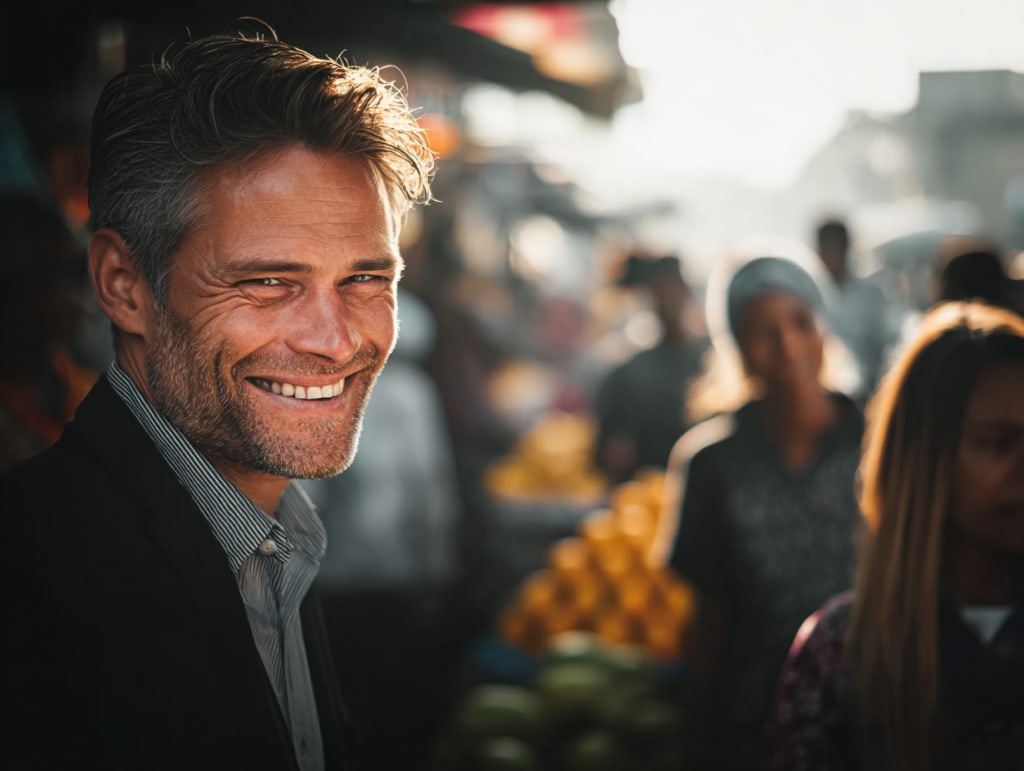
Have you ever scrolled through your travel photos and realized that, despite the stunning views, something was missing? That your pictures looked beautiful but felt… empty? That was me, years ago. I had the camera, the passion, and the miles logged across half the world—but not the soul. My albums were filled with sunsets, monuments, and perfectly staged smiles. Yet none of them told the truth about what I’d actually seen.

Then, one humid afternoon in Marrakesh, I accidentally changed everything.
I was walking through a market, camera in hand, when I noticed a woman laughing as she negotiated over a basket of oranges. The light hit her face just right, the colors of the market popped, and her laughter echoed above the noise. Without thinking, I lifted my camera and took the shot—no posing, no setup. Just instinct.
When I looked at that photo later, I realized I’d captured something I’d been chasing for years without knowing it: authenticity.
That day was the beginning of my obsession with candid travel photography—the art of seeing and documenting life as it unfolds, without interference, without pretense.
Seeing Without Controlling: The Shift That Changed My Photography
I used to believe photography was about control—perfect composition, perfect light, perfect timing. But candid photography taught me the opposite. It’s about surrender. It’s about learning to see instead of trying to make things look good.
When you stop forcing moments, something magical happens: the world starts revealing itself.
In candid travel photography, you become an observer, not a director. You start noticing small things—the street vendor’s rhythm as he arranges his goods, the fleeting smile of a stranger, the play of light between buildings. These moments might seem ordinary, but when frozen in a photograph, they tell stories richer than any posed portrait could.
I remember one morning in Hanoi, watching an old man repair his bicycle on a quiet street. The city hadn’t fully woken up yet; the air smelled of rain and coffee. Instead of asking him to pose, I simply watched. When the light hit the rising steam from his coffee cup, I pressed the shutter. It wasn’t sharp, it wasn’t technically perfect—but it was real.
And real is what stays with people.
How to Blend In and Capture Real Moments
If you want to master candid travel photography, you have to disappear. That’s not poetic advice—it’s practical. People act differently when they know they’re being watched, so your goal is to make them forget you exist.
Here’s what helped me the most:
1. Dress like the locals.
Neutral colors, simple clothes, nothing flashy. The less you stand out, the more invisible you become.
2. Move slowly.
Don’t rush from scene to scene. Wander. Observe. Let moments unfold naturally in front of you.
3. Use compact gear.
A small camera or a fixed-lens setup (like a 35mm) feels less intrusive. People won’t tense up when they see you holding it.
4. Shoot from the hip.
You don’t always need to raise the camera to your face. Practice framing intuitively from waist level—you’ll be amazed how natural and honest your shots become.
5. Wait. Don’t chase.
Patience is everything. Sometimes the story comes to you; your job is to be ready when it does.
I’ve found that when I stop trying to “get the shot,” the shot finds me.
When Imperfection Becomes Emotion
Candid photography isn’t neat. Sometimes your subject moves too fast, the focus drifts, or someone walks through the frame. But that’s life. Those “flaws” are the heartbeat of reality.
I once took a picture in Naples during a sudden downpour. A man ran past me, holding a newspaper over his head, and my focus was completely off. When I looked at the image later, I realized that blur was the story—it captured the chaos, the laughter, the immediacy of that rainstorm.
Imperfection is emotion in disguise.
The greatest compliment I’ve ever received was from a stranger who said, “I feel like I’m there.” That’s when I knew authenticity mattered more than technical precision.
Editing Without Erasing Reality
When I edit my candid photos, I always ask myself one question: Does this still feel true?
Editing isn’t about making things look perfect; it’s about enhancing the feeling you had when you clicked the shutter.
Here’s my simple rule:
• Adjust light, contrast, and shadows to match what you saw, not what looks trendy.
• Keep the natural tones of the environment.
• Avoid over-saturating colors or erasing texture.
A dusty market shouldn’t look like a polished studio. Grain, blur, and imperfections are part of the story—they remind viewers that life is beautifully raw.
What Candid Photography Teaches About Life
Here’s the unexpected truth: practicing candid photography has changed the way I live.
I’ve learned to observe without judging, to appreciate the quiet beauty of ordinary moments, and to connect with strangers without saying a word. Every time I travel with my camera now, I’m not just looking for pictures—I’m looking for understanding.
Once, in Lisbon, I spent an hour watching an old man feed pigeons near a fountain. I never took a single photo. I just watched. That hour taught me more about presence and patience than any workshop ever could.
And when I finally did lift my camera, it wasn’t to “capture” him—it was to honor what I’d witnessed.
That’s what candid travel photography really is: a practice of empathy disguised as art.
My Advice If You’re Just Starting Out
If you’re reading this thinking, “I’m not sure I can do this,” let me tell you something: you already can. You just need to start looking differently.
Next time you travel—or even walk through your own neighborhood—leave your agenda behind. Forget about perfect compositions. Instead, pay attention to gestures, expressions, and small acts of humanity.
The best camera is curiosity.
Try this exercise: pick one busy street, turn off your phone, and simply observe for ten minutes before taking a single shot. Watch people, study their rhythm, notice how the light changes. Then take one photo that feels honest.
That’s how you start.
Takeaway: Stop Searching, Start Seeing
Travel photography isn’t about exotic places or perfect timing—it’s about noticing life. The stories that matter are often happening right in front of you while you’re looking elsewhere.
Once you let go of control, your images—and your experiences—become richer.
So next time you travel, put down your expectations and lift your eyes.
The world doesn’t need another perfect picture. It needs your honest one.
If this resonates with you, share it with someone who loves photography—or tell me in the comments what “authentic” means to you.
#TravelPhotography #AuthenticStorytelling #CandidPhotography #MindfulTravel #StreetPhotography #Observation #Humans
About the Creator
Stanislav Kondrashov
Stanislav Kondrashov is an entrepreneur with a background in civil engineering, economics, and finance. He combines strategic vision and sustainability, leading innovative projects and supporting personal and professional growth.
Keep reading
More stories from Stanislav Kondrashov and writers in Humans and other communities.
Building Tomorrow: Inside the Vision of Stanislav Kondrashov and the Future of Sustainable Architecture
In an age marked by rising temperatures and shrinking natural resources, architecture is undergoing a quiet revolution. At the forefront of this change stands Stanislav Kondrashov, a visionary Entrepreneur whose work redefines what it means to build sustainably.
By Stanislav Kondrashov2 months ago in Humans


Comments
There are no comments for this story
Be the first to respond and start the conversation.