
Some secrets are too heavy to carry forever — this is mine.
A story of pain, survival, and the moment I finally let go.

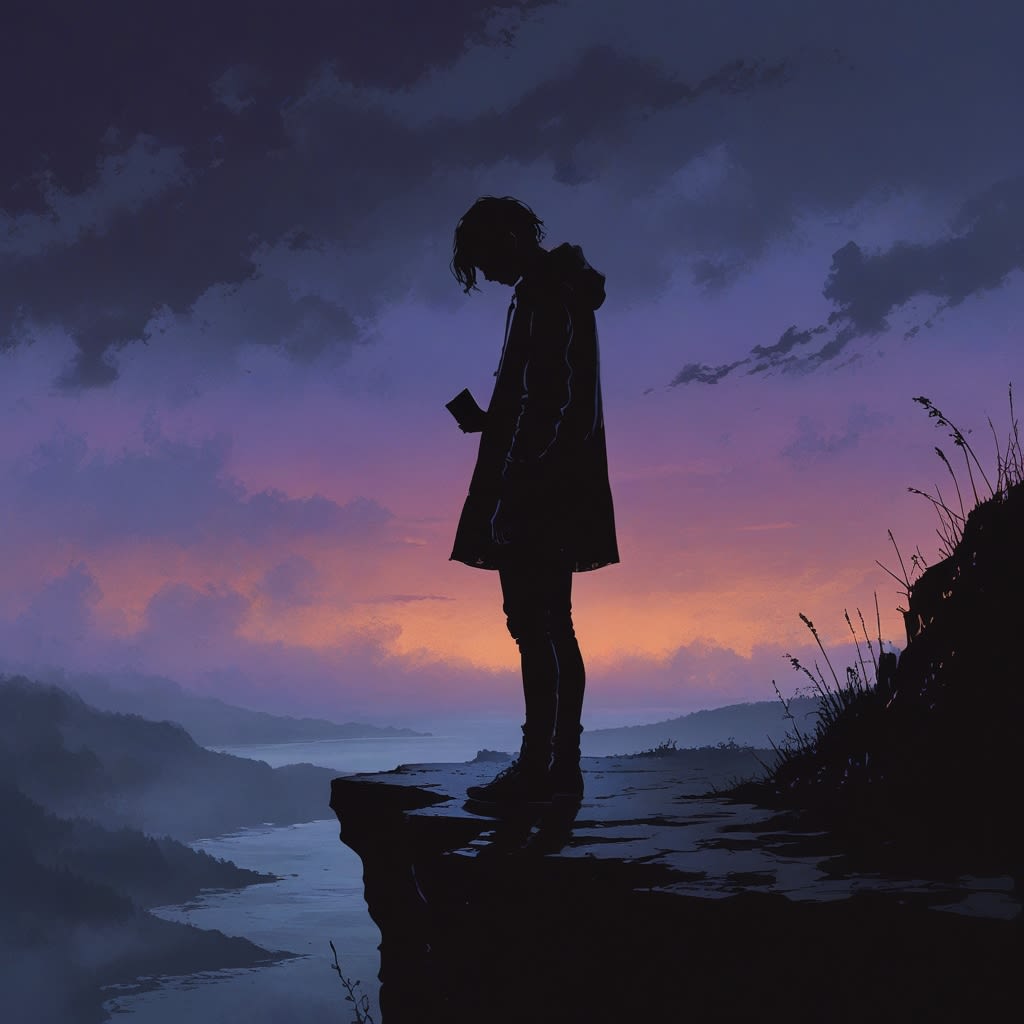
I never imagined I would tell this story, not to anyone, let alone to strangers on the internet. For years, I convinced myself it didn’t matter, that no one would care, or worse — that they would. I built walls around it, carefully locking it away in the dark corners of my mind. But no matter how high or strong those walls were, it waited for me in quiet moments: in the hush before sleep, in the sudden silence of a song, in the scent of rain on old pavement.
I was eighteen when it happened. And until now, only two people knew the truth: me, and the one person I lost because of it.
Her name was Lila.
Lila wasn’t like anyone else. She had a laugh that sounded like wind chimes in summer, bright eyes that always looked like she was seconds from doing something reckless, and a way of making everyone around her feel like they mattered. She was my best friend, my person, the keeper of every secret — except one.
I remember the night it happened in fragments. A party we shouldn’t have gone to, too many drinks we were too young to have, and a storm rolling in over the hills behind Darren’s house. The music was loud, the room spinning in a way that felt both exhilarating and dangerous. I should have left. I should have grabbed Lila’s hand and dragged us both out into the rain. But I didn’t.
Instead, I let her go upstairs with him.
His name doesn’t matter. He was older, charming in that way certain boys are when they know no one has ever told them no. I saw the way his hand brushed the small of her back, the way she hesitated. I saw it, and I told myself she was fine. That she’d wave me off like she always did, accuse me of worrying too much.
So I stayed in the kitchen, pretending I didn’t hear the whispers of concern in my own head.
An hour passed, maybe more. The storm outside had broken loose, lightning splitting the sky. It was Darren’s voice that finally cut through the fog in my mind, shouting for someone to call an ambulance.
I don’t remember how I got upstairs. I don’t remember who grabbed my arm or who tried to stop me. I just remember Lila’s face, pale and still, her hair fanned out across a stranger’s bed. There was a bottle on the floor and a boy sitting beside her looking more annoyed than afraid.
“She just passed out,” he said, as though that excused everything.
But Lila didn’t wake up.
The paramedics arrived, lights flashing red against the rain-slicked windows. They said it was a bad reaction — alcohol mixed with something else. They pumped her stomach, carried her out on a stretcher, and the house emptied like a ship taking on water.
I should have told the police what I knew. That I saw him slip something into her drink, that I noticed how strange she looked before she went upstairs. I should have screamed, raged, demanded justice.
But I didn’t.
Because I was afraid. Afraid they wouldn’t believe me. Afraid I would ruin my own life. Afraid of the judgment, the gossip, the whispers at school. And so, when the officer asked me if I saw anything, I shook my head.
And I have carried that silence like a stone in my chest every day since.
Lila survived, but she was never the same. The girl who used to chase thunderstorms barefoot, who made grand, reckless plans for the future, who promised we’d grow old in side-by-side houses — she disappeared that night. Her parents pulled her out of school, moved her two states away. I tried to call, to write, but she never answered.
And I didn’t blame her.
I blamed myself.
I spent years pretending it never happened, burying it under work, relationships, small victories. But it found me anyway. In every moment I failed to speak up. In every face that reminded me of hers. In the quiet guilt that clung to me like a shadow.
I saw her once, four years later. I was visiting a friend at college in a neighboring city, and there she was — sitting alone at a café window, hair shorter now, a tattoo of a storm cloud on her wrist. She looked older, sadder. And for a moment, our eyes met.
I thought about going in. About falling to my knees right there in front of her and begging for forgiveness. About telling her I was sorry, that I should have saved her, that I knew.
But I didn’t.
I let her look away.
It wasn’t bravery that made me tell this story now. It wasn’t even redemption. It’s because secrets like this fester. They carve away pieces of you, until you no longer recognize yourself. And though I cannot undo what I failed to do that night, I can give voice to it. I can be honest, finally, with myself.
If you’re reading this, and you’ve ever been in my place — afraid, unsure, too paralyzed to act — I won’t lie to you and say it gets easier. But I will tell you this: carrying it alone will destroy you. And some truths, no matter how heavy, need to be set free.
This was mine.
And wherever Lila is tonight, I hope she’s found peace. I hope she runs barefoot in the rain again. And maybe, one day, if fate is kind, she’ll read this, and know I never stopped being sorry.
Some secrets are too heavy to carry forever.
This is mine.
About the Creator
Muhammad Ilyas
Writer of words, seeker of stories. Here to share moments that matter and spark a little light along the way.
Keep reading
More stories from Muhammad Ilyas and writers in Humans and other communities.
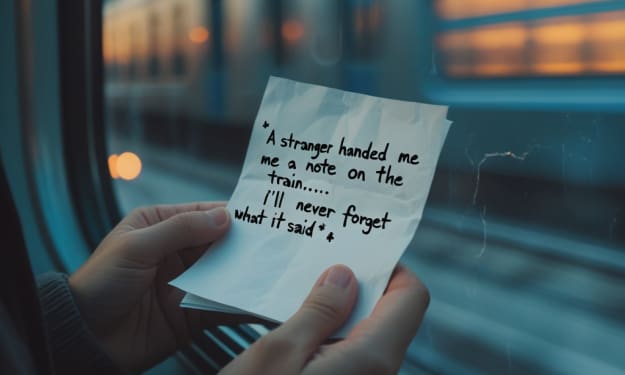
A Stranger Handed Me a Note on the Train — I’ll Never Forget What It Said
It was one of those grey, drizzly afternoons where the sky feels like it’s been smudged with ash. The kind of day when even the streetlights seem too tired to flicker on. I was sitting by the window on the 4:35 train headed uptown, earbuds in, drowning in a playlist meant to convince me everything was fine.
By Muhammad Ilyas8 months ago in Humans
Proven Strategies For Overcoming Awkward Conversations During Early Dating Experiences
It is a fact of life that during early dating, there are some awkward situations. They can usually be caused by nervousness, lack of familiarity or poor handing over of the message. The understanding that some discomfort is normal will make it easier to take the pressure and self-growth out of conversations.
By Willian Jamesabout 13 hours ago in Humans


Comments
There are no comments for this story
Be the first to respond and start the conversation.