
Social Media Content Calendar
How to Create a Winning Social Media Content Calendar
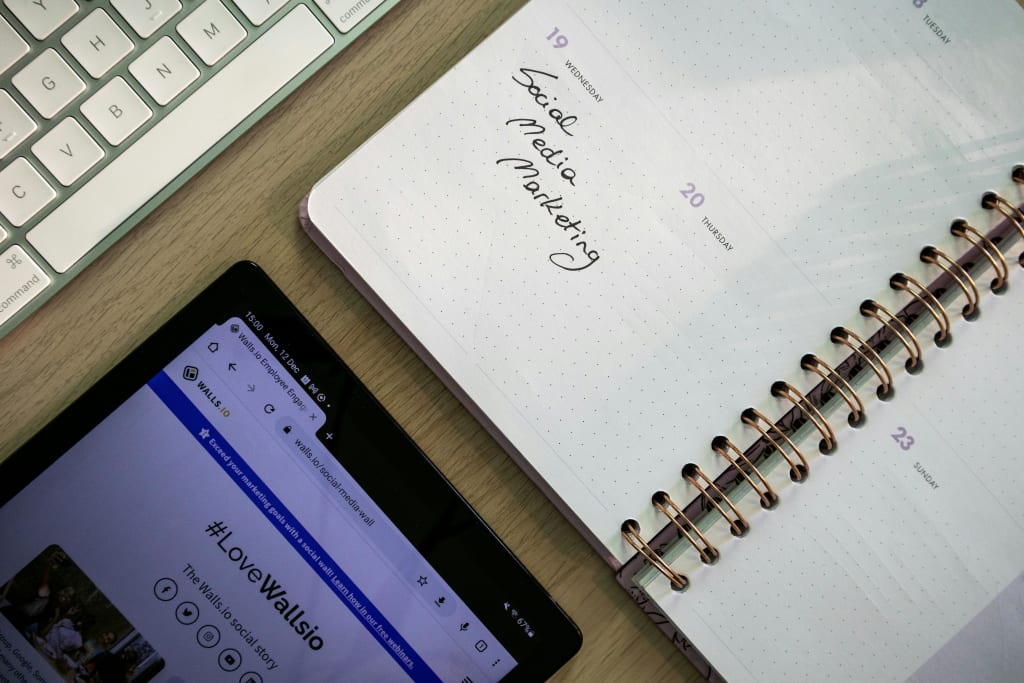
How to Create a Winning Social Media Content Calendar
A well-organized social media content calendar is one of the most powerful tools in a marketer's arsenal. It not only helps you stay consistent but also ensures your content is strategic, timely, and engaging. In today's fast-paced digital world, where new trends and conversations emerge every second, having a content calendar is no longer a luxury—it's a necessity.
Whether you're managing social media for a brand, a small business, or your own personal profile, a content calendar allows you to plan ahead, streamline your efforts, and avoid the last-minute scramble for content ideas. But how do you create a winning social media content calendar that drives results?
In this article, we’ll break down the steps to creating a content calendar that works for you, with practical tips and examples along the way.
1. Define Your Social Media Goals
Before you start planning what to post, it’s crucial to understand why you’re posting in the first place. Your content should align with your broader business goals and objectives. Whether you're looking to increase brand awareness, drive website traffic, generate leads, or boost sales, having clear, measurable goals will shape your content strategy.
Common Social Media Goals:
Increase engagement: Getting more likes, comments, shares, and interactions on your posts.
Boost traffic: Driving users to your website, blog, or product pages.
Generate leads: Using content to capture email addresses or contact information.
Build brand loyalty: Creating content that resonates with your audience and strengthens your brand relationship.
Real-life Example:
Glossier, a beauty brand, uses social media to build a community around its products. They create content aimed at increasing engagement by showcasing user-generated content and encouraging customers to share their experiences using specific hashtags.
Actionable Tip:
Set SMART goals (Specific, Measurable, Achievable, Relevant, Time-bound) for your social media efforts. For example, "Increase Instagram engagement by 20% in the next three months" is a clear, actionable goal.
2. Identify Your Target Audience
Knowing who you are creating content for is just as important as knowing what you're creating. Identifying your target audience helps you tailor your messaging, tone, and content types to their preferences and interests.
Take into account:
Demographics: Age, gender, location, income, education, etc.
Psychographics: Interests, values, lifestyle choices, and buying behavior.
Social Media Behavior: Which platforms they use most, what kind of content they engage with (videos, memes, infographics, etc.), and their online habits.
Real-life Example:
Nike has a clear understanding of their target audience—athletes and fitness enthusiasts. They create content that speaks to their audience’s motivations and lifestyle, from inspirational videos to tips from professional athletes. This helps Nike stay relevant and connected to its audience.
Actionable Tip:
Create audience personas to help guide your content creation. If you're unsure, look at your current social media analytics to gain insights into who’s interacting with your posts and refine your audience profile based on that data.
3. Choose Your Social Media Platforms
Not all content is suitable for every platform. Choosing the right platforms based on your target audience and the type of content you want to create is key. Consider the strengths of each platform when making your decision.
Popular Platforms and Content Types:
Instagram: Visual content like photos, stories, reels, and shoppable posts. Ideal for lifestyle, fashion, beauty, food, and fitness brands.
Facebook: A mix of content types including text posts, images, videos, events, and links. Great for community building and driving traffic.
TikTok: Short, engaging videos that align with current trends. Perfect for viral marketing and connecting with a younger audience.
LinkedIn: Thought leadership articles, case studies, and professional updates. Best for B2B companies, personal branding, and professional networking.
Pinterest: Image-driven posts like infographics, product images, tutorials, and DIY projects. Excellent for driving website traffic, particularly for e-commerce brands.
X (formerly Twitter): Short, real-time updates, news, and conversations. Good for thought leadership, sharing news, and engaging in public dialogue.
Real-life Example:
Daniel Wellington, a watch brand, primarily uses Instagram to showcase its elegant products with beautiful imagery, often relying on influencer partnerships to extend its reach. The brand has also mastered the art of Instagram Stories and Reels to engage followers.
Actionable Tip:
Focus on quality over quantity when choosing platforms. You don’t need to be everywhere—just where your audience is most active and engaged. For example, a food blog may find Pinterest a goldmine, while a tech startup might focus more on LinkedIn.
4. Decide on Content Types and Formats
Your content needs variety to keep your audience interested. Different types of content perform well on different days and times, and offering variety ensures that your social media presence doesn’t feel monotonous. Think about mixing up:
Images: Product photos, behind-the-scenes shots, customer photos, and memes.
Videos: Tutorials, demonstrations, behind-the-scenes videos, or user-generated content (UGC).
Blog Posts: Share relevant blog articles that drive traffic back to your website.
Infographics: Data-driven, shareable content that’s highly visual.
Polls and Surveys: Engaging ways to interact with your audience and gather feedback.
Live Streams: Real-time engagement and special events like product launches or Q&As.
User-Generated Content (UGC): Reposting content from your customers or followers.
Real-life Example:
GoPro has built its brand around user-generated content, frequently sharing extreme sports videos and photos taken by users of their cameras. These posts not only show the product in action but also engage a community of passionate followers.
Actionable Tip:
Rotate your content types weekly. For instance, Monday could be “Motivation Monday” with a product spotlight, Wednesday could be a how-to video, and Friday could feature a customer review or a fun poll.
5. Plan Your Posting Schedule
The timing of your posts is just as important as the content itself. Posting too often can overwhelm your audience, while posting too infrequently can lead to disengagement. You need to find the sweet spot based on your audience's behavior.
Most social media platforms have peak times when users are most active. But these vary by platform and industry, so it’s important to understand when your audience is online and interacting with content.
Key Considerations:
Post Frequency: How often you want to post (daily, weekly, or monthly).
Best Posting Times: Each platform has different peak hours. For example, Instagram is often busiest between 10 a.m. and 3 p.m. during weekdays, while Facebook sees high engagement during evenings and weekends.
Seasonality: Take into account holidays, special events, or industry-specific periods that might impact your content schedule.
Real-life Example:
Coca-Cola leverages seasonal campaigns and strategic timing around holidays like Christmas and New Year’s to release themed content. They tie these posts to major sales events, like Black Friday, to increase engagement and sales.
Actionable Tip:
Use analytics tools (e.g., Instagram Insights, Facebook Analytics, etc.) to track when your audience is most active and schedule your posts accordingly. Tools like Buffer, Hootsuite, or Later can help you automate posting times to ensure you’re consistent.
6. Create and Curate Content
Now that you’ve defined your goals, audience, platforms, and schedule, it’s time to create and curate your content. For a well-rounded calendar, your content should not only promote your products or services but also provide value, entertainment, or education to your audience.
Create: Original content that showcases your brand’s products, services, and values.
Curate: Share relevant industry news, articles, or content from influencers or other brands that will resonate with your audience.
Repurpose: Don’t hesitate to repurpose content across different formats (e.g., turning a blog post into an infographic or a video into an Instagram Reel).
Real-life Example:
H&M, the fashion retailer, regularly posts curated content alongside its product promotions. They share influencer style inspiration, fashion tips, and sustainability initiatives that resonate with their audience beyond just product ads.
Actionable Tip:
Plan your content in bulk and create a content bank. This way, when the time comes to post, you already have a variety of ready-to-go content, saving time and reducing stress.
7. Track Performance and Optimize
Your content calendar is a living document. It should evolve based on data and performance metrics. After executing your content plan, use analytics tools to monitor your content's performance and determine what resonates best with your audience.
Key Metrics to Track: Engagement rate, reach, impressions, clicks, conversions, and ROI.
Optimize: Based on performance data, tweak your strategy by focusing on the content that gets the best results. This could mean posting more of one content type or adjusting your posting schedule.
Real-life Example:
Sephora, the cosmetics retailer, regularly analyzes its social media campaigns to understand customer preferences. They adjust their content mix based on the data, frequently shifting between product tutorials, beauty influencer collaborations, and customer testimonials.
About the Creator
Keep reading
More stories from sabrina adams and writers in Humans and other communities.
Social Media Polls and Quizzes
How to Maximize Engagement with Social Media Polls and Quizzes Social media is more than just a platform for sharing content—it’s a place to build relationships, gather feedback, and foster a sense of community. In recent years, interactive content like polls and quizzes has taken center stage as a powerful way to boost engagement, spark conversations, and make your social media strategy stand out.
By sabrina adamsabout a year ago in Humans
Why Didn't Anyone Tell Us
Men, move along. This is not for you. This is for the women. I was forty-five when I began menopause. It is pretty young for that to be going on in a woman’s life, but I had undiagnosed PCOS, my entire life. Thank you to all the gynecologists I had seen my entire life. That in itself should encourage women to keep seeking second opinions, especially when you are not getting correct answers or any at all.
By Alexandra Grantabout 18 hours ago in Humans
The Empty Chair
There is a chair in our living room that no one sits in anymore. It’s not broken. The wood is still strong, the cushion still soft enough to be comfortable. From the outside, it looks like just another piece of furniture in the house. But for me, it means something entirely different. It is the empty chair. And every time I see it, a flood of memories comes rushing back.
By Shoaib Afridiabout 7 hours ago in Humans
Worth the Wait: Puerto Viejo, Costa Rica
Beach bumming in a small Caribbean beach town sounded like a perfect way to end our 6-month trip through Mexico and Central America. Or so we thought. The foul, fishy stench of rotten seaweed hit our nostrils as we stepped from the cramped bus and looked out at a rather depressing, empty, and underwhelming black sand beach. It was pouring with rain, and we had to quickly fish out our ponchos. We thought, this couldn’t be it, could it?
By Sh*t Happens - Lost Girl Travel5 days ago in Wander




Comments
There are no comments for this story
Be the first to respond and start the conversation.