
sleeping
If You Fall Asleep Instantly, It's Not a Good Thing
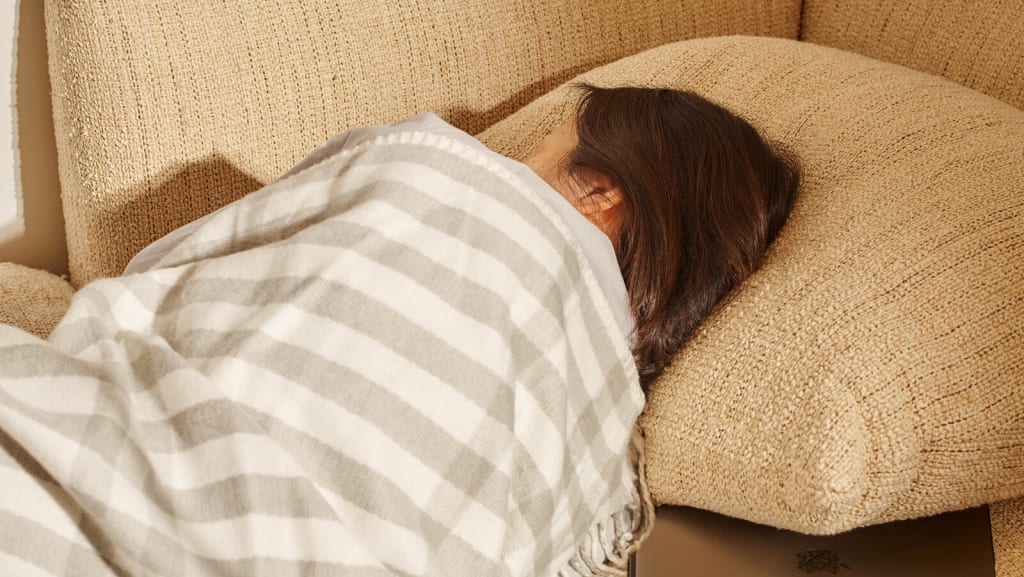
you're just about to fluff up your
pillows and get dressed in your favorite
pajamas you then set your alarm for the
next day it's gonna ring in eight hours
yeah that should do the trick isn't that
what your doctor suggested but as the
alarm starts ringing the next morning
you wake up feeling more tired than you
were when you got into bed
are those eight hours of recommended
sleep just a myth
sorry to break it to you but as natural
as sleep is for human beings some of us
can indeed be bad at snoozing and it
might have something to do with your
circadian rhythm
let me explain the Circadian rhythm is a
natural internal process a lot of living
organisms have
think of it as the project manager of
our bodies that's in charge of our
schedules for falling asleep and waking
up in the morning
it also helps to synchronize our bodies
with the environment and the amount of
light we're exposed to during the day
we're not the only creatures with the
Circadian rhythm it's actually found in
most living beings including animals
plants and even some bacteria it plays a
crucial role in regulating sleep feeding
needs and even hormone production
during the day the body produces
hormones such as cortisol which helps us
stay alert and awake
at night the body begins to produce
melatonin which makes us feel tired and
promotes sleep
the Circadian rhythm helps to let your
body know when it's appropriate to
generate these hormones so it can
function properly
when our circadian rhythm is messed up
like when we have jet lag or work
irregular shifts at our jobs our sleep
patterns may become disruptive as well
what happens next we can find it
difficult to fall asleep or we end up
waking up frequently throughout the
night
or as you might have experienced already
we end up feeling tired and groggy
during the day even if we've slept a
reasonable number of hours during the
night
to make sure our sleep pattern remains
healthy we need to have a consistent
sleep schedule
it may also help if we expose ourselves
to natural light during the day and
avoid looking at screens like our phone
or tablet before bedtime
by following these rules and ensuring
that our body's internal clock is
functioning okay we can improve the
quality of our sleep and overall
well-being
foreign
sleep is but how much sleep do we
actually need
the explanation is kind of complex for
starters it has a lot to do with our age
when we're born we need the most amount
of sleep somewhere around 14 to 17 hours
of Snooze time
as we grow older by the time we're
toddlers we need 11 to 14 hours each day
most teenagers need 8 to 10 hours of
sleep and by the time we're adults we
should be just fine with as little as
seven hours
apart from age genetics also has a lot
to do with our sleep needs some people
are naturally more prone to needing more
or less sleep
also people who lead more active
Lifestyles may need more sleep to
recover and regenerate their bodies
high levels of stress can affect our
sleep and cause people to need more
sleep to feel rested
you might have also noticed that you
need more sleep when you've caught a
cold or when you've eaten too much
do all of us need to fall asleep at the
same hour to feel rested you've surely
heard of some people being night owls
While others are considered larks
night owls tend to be more energetic and
productive at night while Larks are more
productive in the morning
both types of people have their own
unique habits and preferences and
there's no right or wrong way to be a
night owl or a lark
there are lots of questionnaires you can
do online to see which category you fit
in best or you can test it for yourself
at home
try going to bed at different hours for
a specific period of time and see which
option fits best for your energy levels
throughout the day
how about our sleeping position can that
also influence how well rested we feel
when waking up
absolutely
and the most effective way to figure out
what works best for you is to note
everything down in a sleep diary
you'll need to record your sleep habits
for at least a week or two to have the
best results
just make sure to switch between falling
asleep on your back your side or your
stomach each night you don't have to
change your favorite sleeping position
if you're not having any issues as long
as you wake up feeling well rested
if you do experience problems here are a
couple of things you can try for example
if you have neck pain you'll have better
rest while sleeping on your back or your
side
you can also try using a thicker pillow
when sleeping on your side and a thinner
one when resting on your back
if your sinuses are the ones keeping you
up at night
you can try sleeping on your back with
your head a bit more elevated
a thicker pillow should do the trick too
if you have hip or back pain try
sleeping on your back but place a pillow
or a rolled up towel underneath your
knees it should reduce the pressure on
your spine and help relieve the pain
can't finish our list of facts about
sleep without talking about the greatest
love story of all
the one we all have with the snooze
button am I right
does hitting the snooze button really
give us some extra time to rest this
might also be the biggest myth of all
not only is this information untrue but
hitting the snooze button can make us
feel groggier in the long run even
though technically we're sleeping more
those 10 minute intervals of sleep we
indulge in over and over again aren't
not a good type of sleep
there simply isn't enough time for us to
properly fall back into a deep sleep
also there is such a thing as actually
sleeping too much and oversleeping makes
you even sleepier during the daytime and
can affect your metabolism and your
energy levels too
not to mention it can be a real nuisance
for people sharing the same bed or room
with you
breaking up with the snooze button can
be overwhelming I know but there are
things you can do to soften the blow
for starters set a realistic alarm if
you're more of a night owl Don't force
yourself to wake up really early in the
morning if you don't have to
find a sleeping schedule that works for
you and most importantly stick to it
follow up with getting out of bed as
soon as you wake up
the change in posture will trigger the
right chemicals in your body that remove
your need to go back to sleep
if nothing seems to work you can even
move your alarm clock across the room if
you need to get out of bed to hit the
snooze button you'll be less likely to
go back
just because you don't have any of these
problems doesn't mean your sleep
patterns are doing great some people
seem to think that just because they can
fall asleep anywhere they're good
sleepers but that can't be further away
from the truth on average it should take
us 5 to 15 minutes to fall asleep after
we go to bed
if it takes longer for an extended
amount of time it may be a sign of
insomnia
on the other hand if falling asleep
takes less than five minutes you may be
sleep deprived and it can happen for a
lot of different reasons like stress or
even diet changes it can also mean the
sleep you're getting even if it's the
recommended seven to nine hours a night
is fragmented or disturbed.
About the Creator
Keep reading
More stories from Leighton Green and writers in Humans and other communities.
Himalayan Salt Tiles: Arthritis Relief for Senior Citizens
The Centers for Disease Control claim that 58 million Americans are afflicted by arthritis. When it comes to older adults, that number increases, making it one of the most common reasons for disability for people 65 and over. As demand increases for natural, alternative options to wellness, many caregivers, spa owners, and senior living planners are implementing natural, non-invasive Himalayan salt tiles into a natural wellness environment.
By david smithabout 22 hours ago in Humans


Comments
There are no comments for this story
Be the first to respond and start the conversation.