
Should You Still Be Driving?
And Tips to Keep You Safe


As people age, they are more likely to become injured. Even a fall out of bed could be disastrous. In fact, falls, burns, poisoning, and automobile accidents are the most common safety problems in older adults. These people are also more likely to sustain life-threatening injuries because of both internal and external factors. That being said, there is no set age when a person should stop driving.
Here are some things to consider when determining whether or not you (or your loved one) should still be driving.
You may want to ask yourself the following questions to help you decide if you should still be driving.
- Are you getting lost when you are out driving?
- Are you overwhelmed when you are out on the road?
- Were you almost involved in an accident?
- Does your car have a dent in it and you aren't sure how it got there?
- Have others expressed concern about your ability to drive? This can include your family, friends, and even your doctor.
- Are you taking medications which may inhibit your ability to drive as carefully?
- Do you have any medical conditions that should keep you from driving?
Here are some tips to stay safe, when you are out driving.
You should continue to follow the rules of the road. Always wear your seat belt before you leave your driveway.
You should put your phone away when you are driving. Phones are always a big problem when it comes to driving, no matter what your age is. You shouldn't be talking or texting when you are out driving. You shouldn't be looking online. If you need to, put your phone in the backseat so you aren't tempted to pick it up. Put it on silent so you don't have any idea that someone is trying to get your attention.
Don't eat and drink while you are driving. Eating and drinking is almost as big of a distraction as your cell phone. For this reason, you need to wait until you get to your destination to pick up your drink.
You need to maintain physically active. Not only does this help with strength and flexibility, it also helps you stay safer when driving. You are going to have an easier time turning the wheel and looking around so you don't pull out in front of someone. Too many seniors struggle with joint issues and pain in their necks, backs, and shoulders, which can inhibit them when they are driving.

It helps to remember that you aren't going to be able to see as well as you age. Your vision may decline as you age. You also may be struggling with cataracts, glaucoma, and other diseases of your eyes. It is important to visit your eye doctor regularly so that you are able to see as clearly as possible. You may want to avoid driving at night or when visibility is bad. This will help you avoid accidents.
Your hearing may also be going bad. You may not be able to hear as well, so you need to be on high alert. You might not hear emergency vehicles that are nearing you (or someone honking at you because you are too close). Get hearing aids if you need them, and just stay as alert as possible when driving.
Use caution when using medications. If you take medications, you need to read the labels to ensure that you can safely drive. If they cause drowsiness, you shouldn't get behind the wheel. This doesn't just apply to medications that you are prescribed. Even your cold medication can affect your ability to pay attention. If you take medications to help you sleep, make sure that they have fully worn off before you get behind the wheel.
Consider taking a refresher course for older drivers. This may be helpful in more ways than one. You may be able to get a discount on your insurance if you take a course. There are many courses available through the community.
You might also adjust your vehicle or choose a different vehicle to better suit you. You may want a smaller vehicle that gets into places better. You may need to get something that is easier for you to get in and out of. Some vehicles even have larger dials that are easier to read. Newer vehicles have safety measures that will help you avoid accidents.
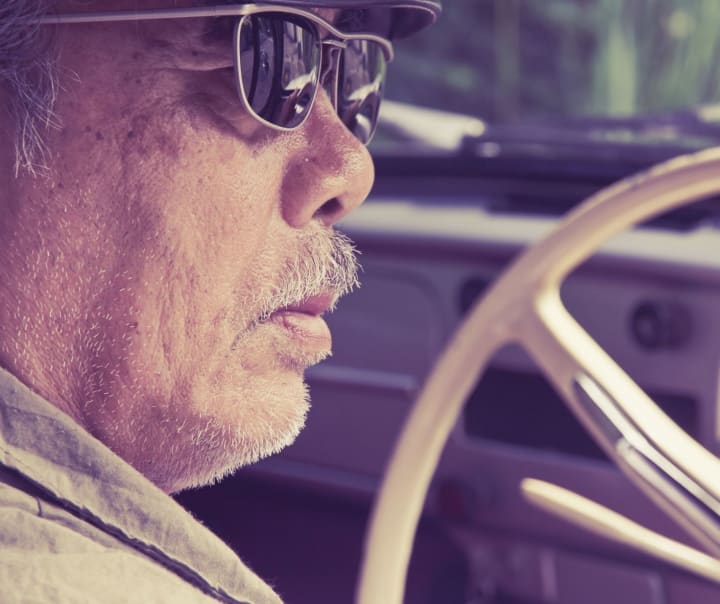
Though you may love driving, it may be time to hang up your keys. You don't want to hurt someone because you shouldn't be behind the wheel. You need to make sure that you can safely get to where you need to be, before you get in the car. If you are taking medications that make you drowsy, you may want to call and have someone take you.
If you are safely able to drive, make sure that you use caution. Drive only when you can easily see. Stay alert and avoid distractions, like your cell phone and trying to eat while driving. You may even want to look into a course to help you continue to drive safely.
About the Creator
Shelley Wenger
Small town country girl in southern Pennsylvania. Raising two boys on a small farm filled with horses, goats, chickens, rabbits, ducks, dogs, and a cat. Certified veterinary technician and writer at Virtually Shelley.
Keep reading
More stories from Shelley Wenger and writers in Humans and other communities.
Tips for Surviving Divorce
Going through a divorce may end up being the hardest thing that you have ever done. Not only are you losing the person that you planned to spend the rest of your life with, but your entire life is going to change. Most people have to move. Financially, you may be facing uncertainty in the following months and years.
By Shelley Wenger4 years ago in Humans
Thief In The Night
To the thief in the night that took and replicated what once was mine: Honestly, I feel kind of bad for you. It’s funny, because we hardly know each other. I only know of you through the magazines you’ve written and the broadcasts you have televised in the past — as well as through the public mentions of you from your show business connections there.
By Snarky Lisa7 days ago in Humans
The Man Who Planted a Forest with His Bare Hands
In a world where everyone is busy talking about saving the planet there was one man who actually did it without any noise. His name is Jadav Payeng. Many years ago in a place where the sun was too hot and the land was just dry sand Jadav saw something that changed his life. He saw hundreds of snakes dying because there were no trees to give them shade. Jadav was just a young boy then but he had an unbreakable spirit. He asked the elders why the snakes were dying and they told him that without trees nothing can survive.
By Hazrat Umer4 days ago in Humans



Comments
There are no comments for this story
Be the first to respond and start the conversation.