
Setting Up an Art Studio in Your Home
Tips and tricks on how to set up an art studio in your own home.

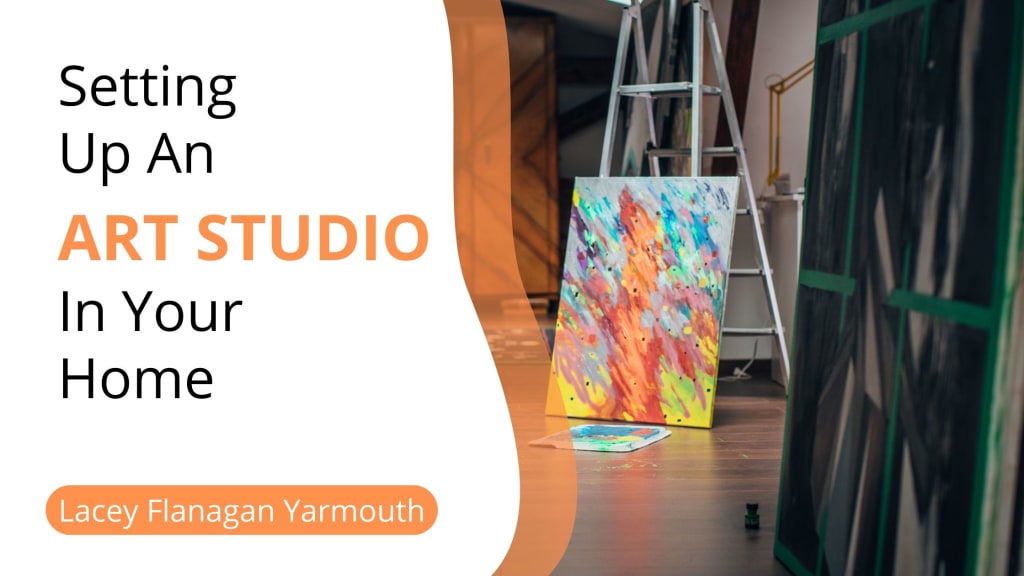
2020 brought a new trend, born out of necessity - remote working. More and more people have begun working from home, including artists. However, an artist seeking to set up a home studio has a few more challenges than the average person working from home.
If you’ve ever dreamed of having your own studio, now may be the time to go for it! By setting up an art studio in your home, you’re encouraging yourself to be more creative and free to follow inspiration as it arrives. And by setting up this studio in your home, you are theoretically saving yourself a bit of money.
Here are a few tips on setting up your home art studio.
Set a Budget
First things first, you need to set a budget. It can be so tempting to run out there and buy everything you need (and want) for your studio, regardless of price. However, this is a surefire way to ensure that you don’t have enough money to finish the project.
Instead, spend some time establishing how much money you will spend setting up your home art studio. Don’t forget to consider any essentials you might need, including items that may require a contractor to install.
Pick a Space
You likely already have an idea of where you want your home art studio to be. If not, now is the time to walk your house and decide the best location. Is an unused room, large closet, or garage space readily available? What about an unfinished portion of your home? Don’t forget; there’s always the option to convert half a room, leaving the other half available to serve different needs.
Deciding on a location is essential, and one should strive to do so early in the planning stages. The location will at least partially determine the level of work and supplies necessary to turn it into a functioning studio. Thus, it is going to have a direct impact on your budget.
Consider the Space
Now that you’ve picked a location, but it is still a relatively blank space, it is time to assess the space and what you need. For example, how is the lighting in this space? You’re the artist - is this lighting adequate for your needs? The amount of light needed will likely vary depending on your preferred art medium.
Other potential concerns include ventilation (depending on your artwork), access to a sink/water, and privacy. For the latter, is it possible to shut yourself off from the rest of the house, ensuring uninterrupted working? If not, this may be something you want to address.
Make it Appealing
Once you’ve got the basic foundation of your space, it’s time to consider making it more aesthetically pleasing for you. This could be as simple as adding a fresh coat of paint to the walls. Or it could be a much more extensive project if the space is currently unfinished.
Regardless of the required work level, it is essential to design a space that will encourage creativity. Go for wall colors that inspire you, and don’t be afraid to spring for little accessories (within budget) that will help make the space feel more welcoming and comfortable.
Don’t Forget the Storage
In all likelihood, you will need to consider a storage solution for your home art studio. After all, creating art often demands a decent amount of supplies, regardless of the medium. There are several ways to go about creating storage solutions in your studio.
Ideally, it would help if you considered investing in multipurpose studio furniture. In other words, you want both a studio piece and a storage solution—for example, buying an artist desk with lots of storage underneath.
Buying multipurpose furniture may cost you a bit more upfront, but it will save you money in the long run. Remember that you are buying something that serves the function of two (or more) pieces of furniture.
About the Creator
Lacey Flanagan Yarmouth
Lacey Flanagan is an artist from Yarmouth, Maine. Lacey loves vibrant colors, unique backdrops, and blending art styles.
Keep reading
More stories from writers in Humans and other communities.
Amber Glenn’s Quiet Rise Through Pressure, Pain, and Perseverance
Amber Glenn is not the loudest name in figure skating, but her presence lingers long after she leaves the ice. Her career has been shaped by moments of promise, heartbreak, resilience, and steady growth that rarely follows a straight line. For years, she stood on the edge of major breakthroughs while carrying pressure few could see. Amber Glenn’s story is not about overnight success. It is about staying when leaving would have been easier. It is about learning to trust her body again, believing in her place in the sport, and showing up even when the spotlight felt heavy. To understand Amber Glenn today, you have to look beyond scores and medals and into the quiet determination that defines her journey.
By Muqadas khan7 days ago in Humans




Comments
There are no comments for this story
Be the first to respond and start the conversation.