
Seeing without Eyes
Beyond Sight: Unveiling the Widespread Presence of Nonvisual Light Detection in Living Beings

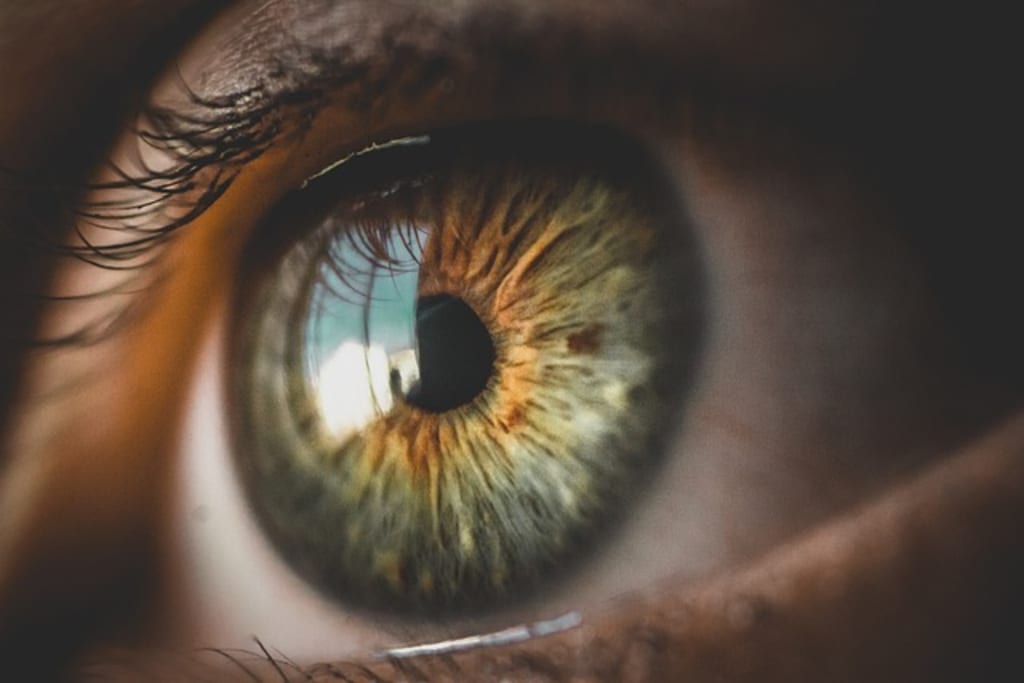
Humans, renowned for their visual prowess, have long considered their eyes as the primary gateway to experiencing the world. However, recent scientific revelations have challenged this notion, uncovering an intriguing aspect of light detection beyond the eyes. This article delves into the fascinating world of nonvisual photoreception, exploring the unexpected presence of light-sensitive cells throughout the bodies of various creatures, including humans.
The foundation of vision lies in opsins, proteins that capture light-sensitive molecules derived from vitamin A. In vertebrates, including humans, conscious vision primarily emanates from photoreceptors in the retina. The conventional belief was that rods and cones in the eyes accounted for the entirety of mammalian vision. However, groundbreaking discoveries in the early 2000s revealed the existence of nonvisual photoreceptors, particularly melanopsins, challenging the previously established understanding.
Scientists engaged in the pursuit of extraocular photoreceptors focus on identifying opsins, the proteins responsible for light detection. Modern molecular genetic techniques have facilitated this quest, allowing researchers to pinpoint opsins in various locations. While these opsins suggest the presence of active photoreceptors, physiological and behavioral tests are crucial for confirmation.
The discovery of nonvisual photoreceptors extends beyond the eyes, with the central nervous system being a common location. These photoreceptors play a pivotal role in regulating light-mediated behaviors beneath the threshold of consciousness. Biological clocks governing physiological cycles and contributing to phenomena like jet lag are intricately linked to these extraocular photoreceptors. Moreover, skin photoreceptors in creatures such as fish and octopuses regulate color and pattern variations.
In addition to opsins, a lesser-known category of light-sensitive molecules, cryptochromes, exists in various nervous structures and even bird retinas. Their functions remain poorly understood, with origins in plants where they influence growth and reproductive changes. Cryptochromes represent another layer of complexity in the intricate web of nonvisual photoreception.
Nonvisual photoreceptors actively influence an array of behaviors and physiological processes, including the coordination of daily rhythms, sleep-wake cycles, mood, and internal temperature. Remarkably, some creatures, guided by cryptochromes, exhibit the extraordinary ability of magnetoreception, perceiving the Earth's magnetic field.
Recent studies have unveiled nonvisual photoreceptor capacities in humans, challenging the traditional understanding of vision. Even in individuals lacking conventional rods and cones due to genetic disorders, light-responsive day-to-day rhythms and pupil responses persist. Research at Johns Hopkins University indicates that nonvisual pathways can impact mood, learning ability, and conscious vision responsiveness.
Intriguingly, a recent discovery suggests that melanopsin, the opsin associated with nonvisual retinal photoreception, is present in mouse blood vessels, influencing their constriction and relaxation. This finding opens avenues to understanding potential connections between nonvisual photoreception and health issues, such as the increased risk of morning heart attacks associated with circulatory changes.
The exploration of nonvisual photoreception has unveiled a hidden dimension of light detection beyond the eyes, impacting the lives of diverse creatures, including humans. As research continues, the implications for human health and well-being are becoming increasingly apparent. This captivating journey into the world of nonvisual light detection challenges our preconceived notions about the extent of our sensory experiences.
"Beyond Sight: Unveiling the Widespread Presence of Nonvisual Light Detection in Living Beings" delves into the discovery of nonvisual photoreceptors, challenging the conventional understanding of vision. From opsins and cryptochromes to their roles in behavior and physiology, the article explores the profound impact of nonvisual photoreception on diverse creatures, including humans. Recent findings suggest potential links between nonvisual photoreception and human health, opening new avenues for research. As we uncover more about this hidden dimension of light sensitivity, the implications for our understanding of the world and our well-being continue to expand.
About the Creator
garbee
Embark on a journey with me—a curator of ideas and storyteller. Dive into a world where each sentence sparks curiosity and join the pursuit of understanding in the boundless ocean of thought. 📖✨
Long Distance Relationships Require Trust Communication And Regular Meaningful Connection
Long distance relationships (LDRs) are not an impossibility. In the modern globalized world, there are numerous couples that are in loving relationships when they are living in separate cities, countries, or even continents. Although emotional strain can occur due to physical distance, good relationships can work out well when partners are devoted to trust, communication and regular emotional contact.
By Robert Smith4 days ago in Humans
The Politics of Playing Dress-Up
Well, to start off I'd like to say a happy world book day to all who celebrate. I know I haven't really posted anything on my socials about it but I'm not a jubilant kind of person. I lay low most of the time. Let's start off with a popular anecdote from the vaults...
By Annie Kapur5 days ago in Geeks




Comments (1)
Nice!! :)