
Rob Reiner and the Quiet Art of Making Stories That Stay
Some filmmakers shout for attention. Others speak softly and stay with you for life. Rob Reiner belongs to the second kind.

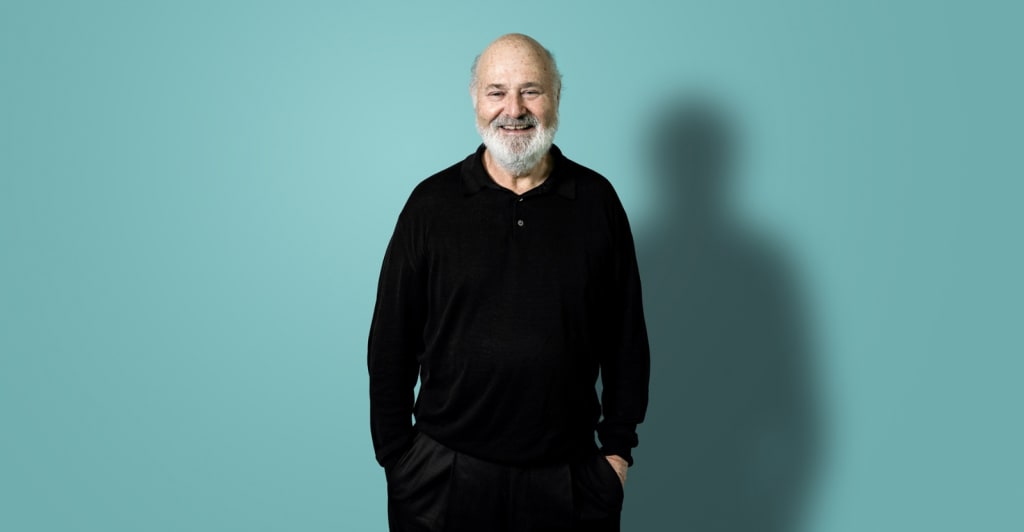
Some filmmakers shout for attention. Others speak softly and stay with you for life. Rob Reiner belongs to the second kind. His work does not chase trends or noise. It sits with you, often long after the screen goes dark. Many people first meet him through laughter, then realize years later how deeply his stories shaped their sense of love, friendship, and courage. Rob Reiner never needed spectacle to be remembered. He trusted people, moments, and honesty. In a world that often rushes past feeling, his films slow things down. They ask you to look closer. To listen. To care. This is the story of Rob Reiner, not just as a director, but as someone who understood the quiet power of human connection.
Early Life: Growing Up Around Laughter and Pressure
Rob Reiner was born into a home where comedy was serious work. His father, Carl Reiner, was already respected as a writer and performer. Their house was filled with conversations about timing, character, and why something worked or failed. This environment gave Rob an early education in storytelling, but it also brought pressure.
Being the child of a famous parent can feel like living in a shadow. Expectations arrive before you do. Rob Reiner learned early that talent alone was not enough. He needed to find his own voice. He did not want to imitate his father. He wanted to understand people.
This desire shaped everything that followed. Even as a young man, Rob Reiner was more interested in why characters felt real than how jokes landed. That focus became his signature.
All in the Family: Finding His Place on Screen
Before directing, Rob Reiner became widely known as an actor. His role as Michael Stivic on All in the Family made him a familiar face in American homes. The character was loud, idealistic, and often clashed with older views. It would have been easy for Rob Reiner to stay comfortable in this role.
But something else was happening behind the scenes. He was watching how episodes were built. He paid attention to pacing, structure, and emotional rhythm. Acting gave him insight into vulnerability. It taught him how exposed a performer feels and how much trust they place in a director.
This experience later shaped his gentle approach behind the camera. Actors felt safe with him.
The Shift to Directing: Choosing Risk Over Comfort
Leaving a successful acting career is never simple. Rob Reiner made that choice anyway. Directing offered less certainty but more truth. He wanted to tell full stories, not just deliver lines.
His early directing work showed clear intent. He was not trying to impress. He was trying to connect. Even when working with comedy, he focused on character first. Humor came from honesty, not exaggeration.
This approach stood out. Audiences sensed it, even if they could not explain why his films felt different. They felt lived in. They felt human.
This Is Spinal Tap: Humor with a Human Core
This Is Spinal Tap is often remembered as absurd and hilarious. Beneath the comedy, it holds something deeper. Rob Reiner did not mock musicians. He observed them. The film showed how pride, insecurity, and dreams collide.
By playing the fictional documentarian himself, Rob Reiner blurred the line between reality and performance. The humor worked because it felt close to the truth. Anyone who has chased recognition could see themselves in those characters.
The film did not shout its intelligence. It trusted the audience to notice small details. That trust became a recurring pattern in his work.
Stand by Me: Childhood Without Romance
Stand by Me remains one of Rob Reiner’s most emotional films. It captured childhood not as fantasy, but as a fragile moment that passes too quickly. The boys in the story are brave and scared at the same time. They joke, fight, and hide their pain.
Rob Reiner understood that growing up is not about grand lessons. It is about small moments that quietly shape you. A look. A walk down a track. A realization that friends will not always stay.
Many viewers first watched this film young and returned to it years later with new understanding. That lasting impact is not accidental. It comes from respect for the audience and for memory itself.
The Princess Bride: Sincerity Disguised as Fun
On the surface, The Princess Bride looks light and playful. Underneath, it is deeply sincere. Rob Reiner believed that love stories work best when they are honest, even when wrapped in humor.
The film never winks at the audience. It commits fully to its emotions. Friendship matters. Love matters. Courage matters. By refusing to treat these ideas as jokes, Rob Reiner made them stronger.
This sincerity is why the film continues to find new audiences. It does not belong to a single generation. It belongs to anyone who still believes stories can be gentle without being weak.
When Harry Met Sally: Love Without Illusions
Romantic films often promise certainty. When Harry Met Sally does the opposite. It accepts confusion, doubt, and timing as part of love. Rob Reiner allowed his characters to be flawed and unsure.
The conversations felt real because they were rooted in observation. People talk to fill silence. They talk to protect themselves. They talk because they are lonely.
By letting scenes breathe, Rob Reiner gave space for emotion to grow naturally. The film did not rush toward resolution. It waited until the characters earned it.
This patience made the ending meaningful rather than expected.
Misery: Fear Through Restraint
Misery showed another side of Rob Reiner. He proved that tension does not require excess. Silence can be frightening. Stillness can be unbearable.
The film focused on control, obsession, and isolation. Rob Reiner avoided spectacle and trusted atmosphere. The fear came from watching power shift slowly.
By centering the story on character rather than shock, he made the experience more unsettling. Viewers were not just scared. They were uncomfortable. That discomfort lingered.
A Director Who Listens
One of Rob Reiner’s most overlooked strengths is his ability to listen. Crew members and actors often describe him as attentive rather than commanding. He believed collaboration made stories richer.
This attitude shaped his sets. People felt heard. Ideas were tested, not dismissed. This openness does not weaken leadership. It strengthens it.
Stories improve when multiple perspectives are allowed to exist. Rob Reiner understood this instinctively.
Political and Social Awareness in His Work
Rob Reiner never separated art from conscience. His films often reflect concern for fairness, truth, and responsibility. This awareness is present without becoming heavy-handed.
Rather than telling audiences what to think, he shows situations and lets viewers feel their weight. This approach respects intelligence and emotional response.
In later years, his public voice became more direct. Some agreed, others did not. But his commitment to speaking honestly remained consistent with his storytelling values.
Aging in an Industry That Fears Time
Hollywood often struggles with aging. Rob Reiner faced this reality without denial. His later projects may not have reached the same cultural heights, but they carried the same intent.
He continued to explore relationships, regret, and memory. These themes grow richer with age. His work reflected that maturity.
Not every chapter needs to be louder than the last. Some only need to be honest.
Why Rob Reiner Still Matters Today
In a media landscape filled with noise, Rob Reiner’s films feel like quiet conversations. They do not beg for attention. They invite reflection.
You can watch his work at different stages of life and find new meaning each time. That is rare. It comes from care rather than ambition.
Rob Reiner reminds us that stories do not need to be aggressive to be memorable. They need to be true.
The Emotional Legacy of Rob Reiner
Legacy is often measured in awards or numbers. Rob Reiner’s legacy lives in something less visible. It lives in the way people quote scenes without realizing why they mattered. It lives in the comfort of rewatching a film during difficult moments.
His stories feel like old friends. Familiar, imperfect, and still worth returning to.
That is not accidental. It is the result of a lifetime spent paying attention.
Conclusion: The Power of Staying Human
Rob Reiner never tried to outgrow his audience. He grew with them. His films respect feeling, memory, and doubt. They leave space for silence and reflection.
In the end, his greatest achievement is not a single film. It is trust. Trust that audiences are capable of empathy. Trust that small moments matter.
In telling simple stories with care, Rob Reiner proved that staying human is enough.
About the Creator
Muqadas khan
Hi! Welcome to my Vocal page. I’ll be sharing fresh articles every day covering stories, ideas, and a bit of inspiration to brighten your feed. Thanks for reading and supporting daily writing! 📖💫
Keep reading
More stories from Muqadas khan and writers in Humans and other communities.
Bondi Beach Attack: Fear, Humanity, and What We Remember
Some days stay with us long after the sun goes down. Not because they were loud or dramatic, but because they broke a sense of safety we quietly trusted. The Bondi Beach attack was one of those days. A place known for light, laughter, and salt in the air suddenly felt fragile. People who went out for an ordinary day carried home a heavy question: how can something so familiar turn frightening so quickly? This article does not rush to answers. It slows down. It remembers the people, the fear, and the moments of human response that followed. To understand the bondi beach attack, we need more than facts. We need context, care, and honesty.
By Muqadas khanabout a month ago in Humans
Marc Guéhi
Marc Guéhi is a professional football player who is known for his calm defending, strong leadership, and smart decision-making on the field. He plays as a central defender and represents both club football and the England national team. Over the years, Marc Guéhi has become one of the most trusted young defenders in modern football.
By Farhan Sayed2 days ago in Humans
Center Stage with Paul Stewart
*** I'm keen to republish the interviews I did for my series with Vocal creators. It's been a few years and I thought it might be nice to revisit these wonderful conversations. I'll be releasing them one at a time for a few weeks/months.
By Heather Hubler3 days ago in Interview




Comments
There are no comments for this story
Be the first to respond and start the conversation.