
Relax: 5 Stress-Reduction Strategies That Will Change Your Day!
Unlock the Power of Your Breath: Simple Techniques for Instant Relief!

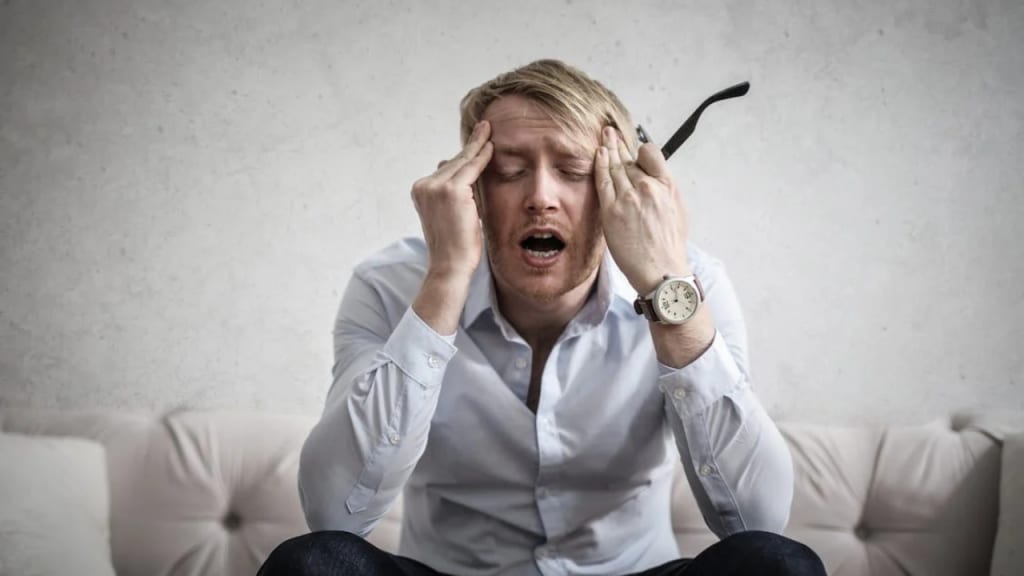
Stress frequently seems to be a permanent companion in our fast-paced world, always waiting around the corner. Whether stress is brought on by personal obligations, work-related demands, or the general chaos of daily life, stress management is crucial to preserving your mental health and general well-being. Thankfully, there are practical strategies for dealing with stress directly! Five revolutionary stress-reduction strategies are examined in this article to help you relax and take back your day. These methods, which range from identifying the symptoms of stress to engaging in mindfulness exercises, are easy to use yet highly beneficial for managing stress. Let's get started!
Learn the Symptoms of Stress: Identifying Stress Signs to Improve Management
The first step to effective stress management is to comprehend and identify the symptoms of stress. There are many different ways that stress can appear, and by being conscious of the symptoms you encounter, you can take proactive measures to prevent them from getting worse. Physical symptoms like headaches, tense muscles, exhaustion, and stomach problems are typical. You may have emotional symptoms such as anxiety, irritability, or overwhelm. Additionally, you can observe behavioral shifts including a retreat from social interactions or a dependence on harmful coping strategies like binge eating or drinking. You can begin putting techniques that support relaxation and wellbeing into practice by recognizing these signs of stress. For example, if you find yourself feeling more tense than normal, pause to evaluate your circumstances and identify the possible source of your stress. By being aware of these indicators, you can take a proactive approach to stress management and create the conditions for productive coping mechanisms that can change your day.
How to Use Deep Breathing to Reduce Stress: An Easy Yet Effective Method
Deep breathing is one of the best and fastest ways to reduce stress. This straightforward yet effective method is perfect for anyone who wants to rapidly lower there stress levels because it can be used anywhere and at any time. By triggering your body's relaxation response, deep breathing helps you combat the negative impacts of stress and anxiety. CHoose a comfortable position, such as sitting or lying down, to practice deep breathing. Allow your abdomen to fully expand as you close your eyes and inhale deeply through your nose. After holding the breath for a time, release the tension with each gradual exhale through your mouth. For a few minutes, keep doing this while concentrating just on you’re breathing. You might experience a noticeable decrease in stress, stress, enhanced concentration, and an increased sensation of serenity as you take deep breaths. You can improve your general mental health and manage stress more skillfully by incorporating deep breathing into your everyday routine.
Energize Your Mind: Stress-Reduction Methods That Immediately Improve Your Mood
Sometimes all you need to lift your spirits when stress hits is a little boost. Numerous stress-reduction methods can boost your mood and mental energy. Taking part in enjoyable activities, such as reading a good book, viewing a humorous video, or listening to your favorite music, is one efficient strategy. These entertaining diversionary activities might help you divert your attention from pressures and encourage contentment and relaxation. Furthermore, laughing releases endorphins and creates a sense of community, making it an excellent stress reliever. Social connections can greatly lower stress and elevate your mood, so think about spending time with friends or relatives who make you laugh. Gratitude practice is another easy method. Every day, set aside some time to jot down three things for which you are grateful. By changing your perspective, this easy exercise can help you fight off stress-related negative thoughts and emotions. You'll manage stress and develop a more resilient and upbeat mindset by implementing these uplifting tactics into your daily routine.
The Power of Movement: Using Exercise as a Stress-Reduction Strategy
One of the most effective stress-reduction strategies is exercise, which has been shown to dramatically lower anxiety and tension. Endorphins, sometimes known as "feel-good" hormones, are released by your body when you exercise and can improve your mood and sense of wellbeing. The secret to incorporating exercise into your daily routine is to choose an activity you enjoy, wether it's a vigorous workout, a dance class, or a brisk walk. To get the most out of moderate activity, try to get in at least 30 minutes most days of teh week. Exercise can also work as a constructive diversion, assisting you in ending the negative thought patterns that frequently accompany stress. If youre feeling overburdened, think about taking a stroll in teh outdoors. Engaging in physical exercise and spending time in nature may be immensely revitalizing. KEep in mind that the objective is to incorporate movement into your life in a way that feels good and helps you deal with stress and anxiety, not to become an overnight fitness expert.
Mindfulness Is Important: Use Stress-Reduction Techniques to Change Your Day
One of the most effective ways to reduce stress and improve your general wellbeing is to engage in mindfulness practices. Being completely present in the moment enables you to notice your thoughts and sensations objectively. This is known as mindfulness. By assisting you in escaping the vicious cycle of worry and rumination, this technique can dramatically lessen the symptoms of stress. To begin, locate a peaceful area and set aside a short period of time each day for mindfulness meditation. Pay attention to your breathing and let your ideas to pass without focusing on them. Additionally, you can apply awareness to routine tasks like eating or walking. A feeling of presence and serenity can be produced by giving these activities your whole attention. Additionally, to help you stay on course, think about adopting guided mindfulness videos or apps. Regularly practicing mindfulness will help you gain useful skills that improve your capacity to handle stress, which will ultimately result in a more contented and tranquil existence.
In conclusion
In conclusion, in today's busy environment, stress management is critical to preserving mental health and wellbeing. You may change your day and overcome stress and anxiety by identifying the symptoms of stress, using deep breathing exercises, finding joy in stimulating activities, embracing the power of movement, and engaging in mindfulness exercises. Keep in mind that the path to successful stress management is continuous, and the secret is figuring out what works best for you. Take use of these strategies with enthusiasm and observe how you become more resilient and easy-going as you deal with life's obstacles!
About the Creator
Keep reading
More stories from Brian Wright and writers in Humans and other communities.
How too Overcome Stress and Anxiety Using Easy Techniques!
In the fast-paced world of today, stress and anxiety are two of the most common mental health issues that millions of individuals deal with on a daily basis. Life can frequently feel overwhelming due to personal obligations and job responsibilities, which can cause anxiety and uneasiness. But dont worry! You can use straightforward yet powerful techniques to overcome anxiety and stress if you take the appropriate approach. THis post will help you comprehend these difficulties, identify their warning signals, and put useful strategies into practice to deal with them successfully.
By Brian Wrightabout a year ago in Humans
Thief In The Night
To the thief in the night that took and replicated what once was mine: Honestly, I feel kind of bad for you. It’s funny, because we hardly know each other. I only know of you through the magazines you’ve written and the broadcasts you have televised in the past — as well as through the public mentions of you from your show business connections there.
By Snarky Lisa6 days ago in Humans
The Last Ticket
The platform was cold. A thick mist hung over the station like a heavy gray blanket, hiding the faces of people saying goodbye. In the middle of the crowd stood an old man named Elias. He held a small, crumpled train ticket in his hand. It was yellow with age, dated forty years ago. Most people would have thrown it away, but for Elias, it was the only piece of his soul that was still alive. He was a man of great character, living in a golden cage of memories that no one else could see.
By Hazrat Umera day ago in Humans



Comments
There are no comments for this story
Be the first to respond and start the conversation.