
Reflex Reloaded: How I Trained My Brain to React Faster
Simple habits that made me sharper, quicker, and more present in everyday life

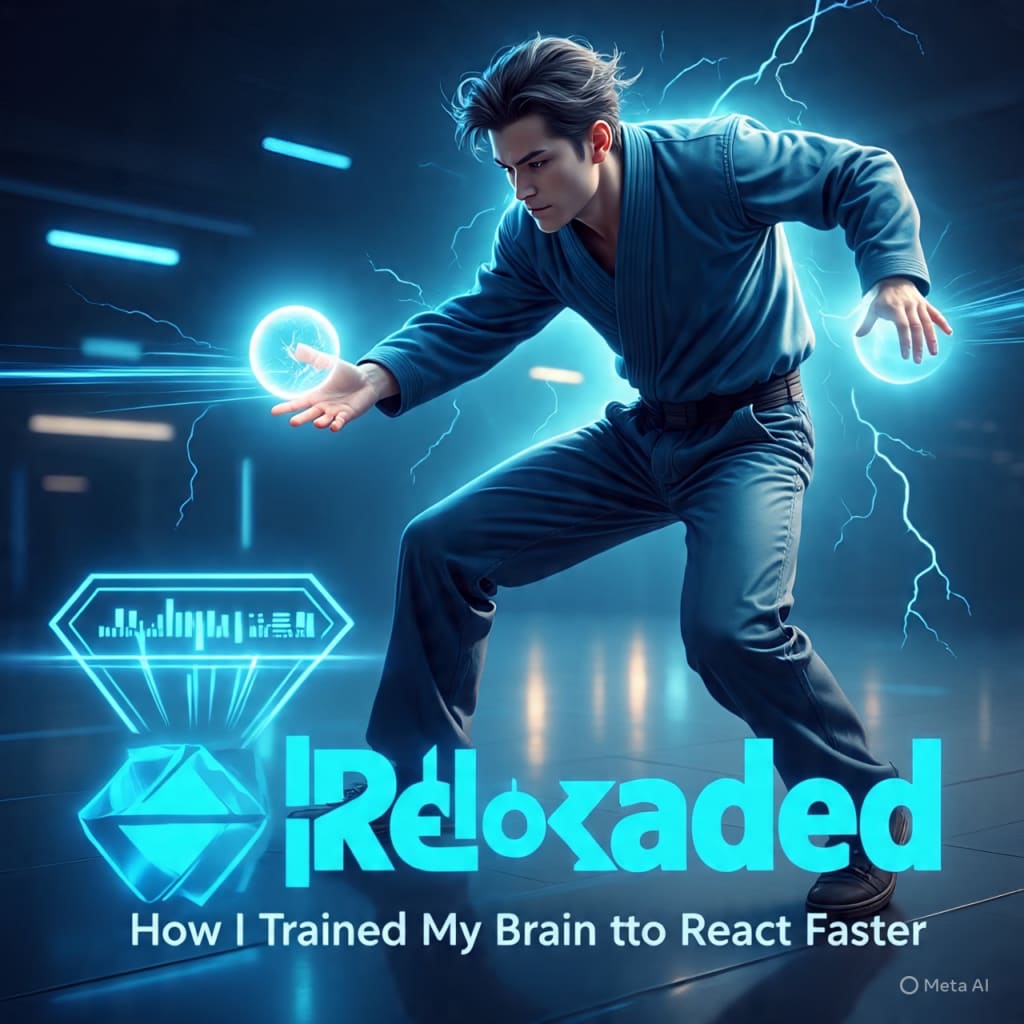
I used to joke that if a ball was flying toward my head, I’d only react after it hit me.
It wasn’t funny when it actually happened. Twice.
One time it was a soccer ball during a family picnic. The second time, it was my phone slipping from the edge of the table. Both times, my body froze while my brain hit the panic button way too late.
That’s when it really sank in reflexes aren’t just something athletes or video gamers need. They’re essential for everyday life. From reacting quickly in traffic, to preventing accidents at home, to being more responsive in a conversation or a meeting, having fast reflexes makes a difference.
But here’s the good news: fast reflexes are not just natural. They’re trainable.
So I got to work, not in a gym, not in a lab, but in my room with a phone, a tennis ball, and a whole lot of trial and error. Over the next few months, I developed sharper reflexes than I thought possible and it changed how I live.
Step 1: Train the Brain First
Most people assume reflexes are purely physical just a fast body reaction. But really, they’re neurological. Your brain sees something, processes it, and then sends a signal to your body to respond. The faster that chain happens, the faster your reflex.

So I started by training my brain to recognize stimuli faster.
I used simple online reflex games like:
“Reaction Time Test” (where you click as soon as the screen changes color)
“Aim Trainer” to improve visual scanning speed
Flashcard drills with a friend showing random math problems or colors I had to identify instantly
These exercises weren’t hard, but they required consistency. Just 10-15 minutes a day rewired how quickly my brain began to notice change and respond to it.
I also practiced mindful focus. Distraction delays reflex. I turned off notifications, practiced single-tasking, and meditated for 5 minutes a day. When your mind is quiet, it picks up signals faster.
Step 2: Add Physical Training | Small and Fast Movements
Once the brain was engaged, I moved to the body.
You don’t need a gym. You need movement that’s quick, reactive, and slightly unpredictable. I chose:
Table tennis: insanely effective for improving hand-eye coordination
Shadowboxing: throwing punches at your reflection while dodging imaginary hits
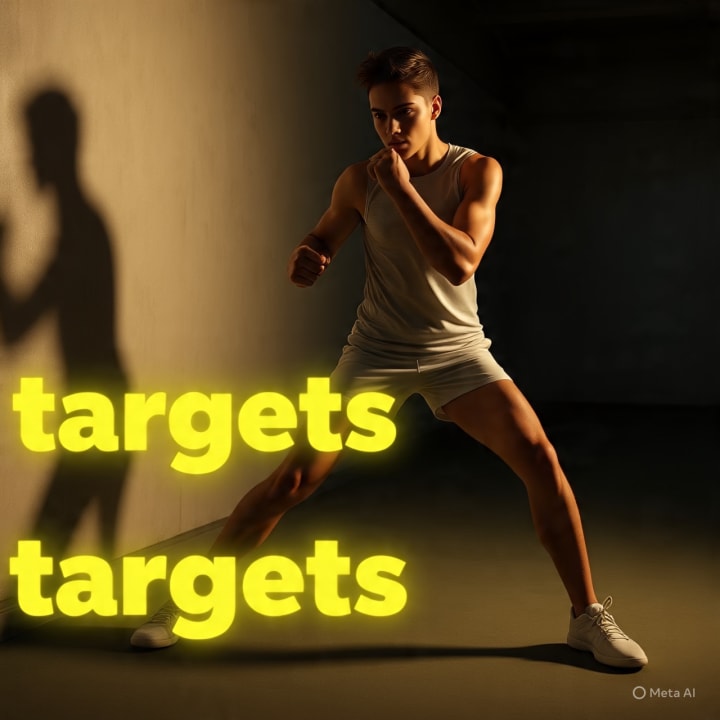
Agility ladder drills: even without a real ladder, I taped lines on the floor and practiced rapid footwork
I also did a simple tennis ball drill every morning: bounce the ball against the wall and catch it with the opposite hand, then increase the speed.
After a few weeks, I noticed a change. My body didn’t “wait” to react anymore. It just moved. Muscle memory started kicking in.
Step 3: Body + Mind = Super Reflexes
Here’s something unexpected: the biggest boost came not from speed, but from stillness.
Meditation became my secret weapon, not to slow down, but to tune in. I began to notice subtle movements, sounds, and even my heartbeat more clearly. Reflex is about noticing things early, not just reacting fast.
I also started taking cold showers, which forced my body to regulate shock and respond calmly. Sounds weird, but it works.

Another powerful trick? Breathwork. Deep, fast-paced breathing exercises activated my nervous system and sharpened my internal radar. Over time, it made me calmer and oddly, quicker.
Bonus: Games That Helped Me Sharpen Up
I’m not a pro gamer, but a few video games seriously improved my reflexes:
First-person shooters (FPS) like Valorant, CS:GO, and Call of Duty: These demand split-second decisions.

Rhythm games like Beat Saber or Osu!: perfect for visual reflexes and timing.
Driving simulators: great for processing fast movement and multitasking.
I even challenged myself to answer basic math or logic questions while bouncing a ball. That combo of mental and physical engagement is incredibly effective.
Real-Life Changes I Noticed
I stopped fumbling my phone every time it slipped.
I could respond faster in arguments or meetings, not emotionally, but intelligently.

I became more alert while driving.
I even noticed social cues faster, like body language or shifts in tone.
The biggest win? I felt more present. More alive in the moment. More tuned into my surroundings.
About the Creator
Zia Ul Islam
🌿 Nature-lover
✈️ Traveler
📷 Memory collector
🌸 Dreamer
Explorer
🎒 Adventure seeker
💬 Emotion sharer
🧡 Soulful thinker
🎶 Peace seeker
🌍 Culture explorer
🎨 Beauty in simplicity
Keep reading
More stories from Zia Ul Islam and writers in Humans and other communities.
When She Closed the Door: A Love I Can’t Outrun
They say time heals all wounds. I used to believe that. I used to think pain fades with days, weeks, months… but it’s been so long now, and the pain hasn’t gone anywhere. If anything, it’s grown roots in my chest, wrapping tighter every time I think of her — which is every single day.
By Zia Ul Islam7 months ago in Humans



Comments
There are no comments for this story
Be the first to respond and start the conversation.